
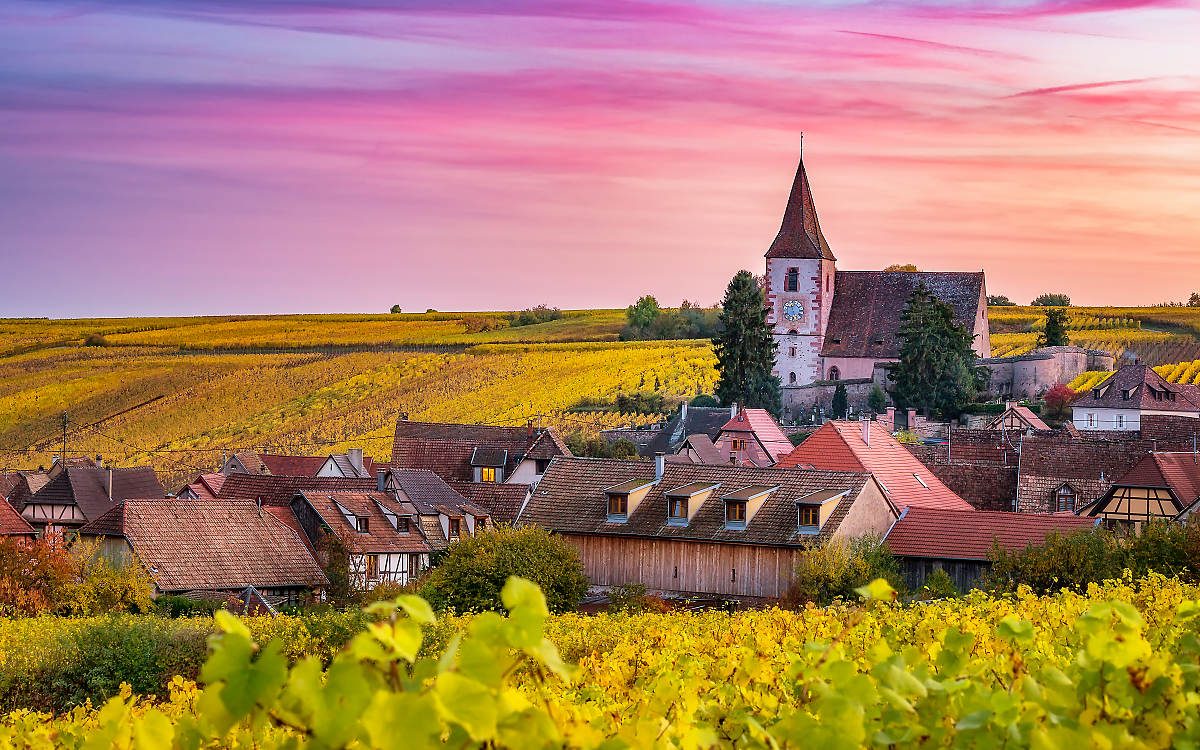
Alsace Wine Region
Alsace Wine Region
Nestled between the Vosges Mountains and the Rhine River, Alsace is a storied region in northeastern France that boasts a remarkable blend of French and Germanic influences.
Known globally for its crisp white wines, captivating medieval architecture and delectable cuisine, Alsace offers a cornucopia of experiences for travelers and wine enthusiasts alike. Whether you are exploring the world-famous Alsace Wine Route, tasting artisanal cheeses at a local farm or simply strolling through a postcard-perfect village adorned with half-timbered houses, Alsace is a destination that captures hearts and palates in equal measure. In this article we delve into the region’s rich past, its vinicultural treasures and the many activities and sights that make Alsace an unmissable corner of France.
Welcome to Alsace Wine Region
Located in the easternmost part of France, Alsace shares a border with Germany and Switzerland, which has profoundly influenced its culture, language and architecture. The region has seen numerous power shifts between France and Germany over centuries, a history reflected in its bilingual street signs, local dialect and cuisine. Today, Alsace is part of the administrative region known as Grand Est. Its strategic location along the Rhine has long made it a cultural crossroads with each generation adding new layers to its storied past.
Terroir & Climate
Alsace’s terroir is shaped by the Vosges Mountains to the west and the Rhine River plains to the east. This geographic position creates a rain shadow effect, resulting in one of the sunniest and driest climates in all of France. The soils here are incredibly diverse, ranging from granite and limestone to clay and sandstone, enabling the cultivation of a wide variety of grape varieties. These conditions produce wines that are aromatic, high in acidity and deeply expressive of their terroir.
Culture & Traditions
Deeply rooted in both French and Germanic heritage, the culture of Alsace is unique within France. You will find that traditional costumes, folk dances and centuries-old festivals punctuate the annual calendar. Many villages still celebrate traditions such as St. Nicolas Day (December 6), when children receive small gifts and sweets. The regional dialect, Alsacien has Germanic origins but is spoken less widely than in past generations. However, the warm hospitality, festive markets and culinary rituals remain as vibrant as ever, making Alsace a genuine cultural melting pot.
Wine Specialties & Notable Grape Varieties
Signature Wines
Alsace is globally renowned for its white wines, predominantly Riesling, Gewürztraminer, Pinot Gris and Muscat. Unlike most other French regions, Alsace labels its wines primarily by grape variety rather than by terroir or appellation. The dry and sunny climate, combined with mineral-rich soils, yields wines celebrated for their aromatic intensity and zesty freshness.
- Riesling: Often referred to as the “king of Alsace wines,” Alsatian Riesling ranges from bone-dry to lusciously sweet. It typically exhibits citrus, green apple and mineral notes and pairs beautifully with local dishes like choucroute and seafood.
- Gewürztraminer: Known for its aromatic bouquet of lychee, rose petals and exotic spices, this wine often has a subtle sweetness and a rich mouthfeel. Gewürztraminer is delightful with spicy dishes, strong cheeses or foie gras.
- Pinot Gris: Full-bodied with hints of mushroom, smoke and stone fruit, Pinot Gris from Alsace is more robust than its Italian counterpart (Pinot Grigio). Its slightly oily texture and roundness make it an ideal partner for creamy sauces, poultry and white meats.
- Muscat: Alsatian Muscat is distinctly dry compared to other French muscats. With pronounced grapey and floral aromas, it is a great aperitif and refreshing match for light salads or fresh goat cheese.
Tasting Profiles
While Alsace is predominantly known for its whites, some Pinot Noir is also produced here, offering a lighter-bodied red wine with bright cherry and raspberry notes. For those who enjoy a touch of effervescence, Crémant d’Alsace—an affordable sparkling wine made in the traditional method—is a must-try. It is second only to Champagne in popularity within France and provides excellent value for money.
Must-Try Bottles and Wineries
Some of the top-rated wineries include Domaine Zind-Humbrecht, Domaine Weinbach, Trimbach, Hugel & Fils and Domaine Ostertag. Each estate interprets the region’s terroir differently so a tasting tour is essential to appreciate the nuances. Many wineries offer cellar tours and guided tastings in English and French, making it easier for international visitors to engage with local wine culture.
Cuisine
Regional Dishes
Alsatian cuisine is hearty, often featuring pork, potatoes and cabbage—a nod to its Germanic roots. Signature dishes include:
- Choucroute Garnie: A sauerkraut-based dish loaded with various sausages, smoked ham and potatoes. Best enjoyed with a glass of Riesling.
- Flammekueche (Tarte Flambée): A thin-crusted “pizza” topped with crème fraîche, onions and lardons. Various modern twists include mushrooms, cheese or even sweet dessert versions.
- Baeckeoffe: A slow-cooked casserole of potatoes, onions and marinated meats in white wine, traditionally prepared in a terracotta dish.
- Kugelhopf: A bundt-shaped yeast cake often studded with raisins and almonds, perfect for breakfast or an afternoon pick-me-up.
Wine & Food Pairings
Alsatian wines are incredibly food-friendly, thanks to their high acidity and aromatic complexity. Some popular pairings:
- Gewürztraminer + Munster Cheese: Both are bold and aromatic, creating a harmonious match.
- Pinot Noir + Coq au Riesling: Pinot Noir’s light tannins complement poultry in white wine sauce.
- Riesling + Choucroute: The crisp acidity of Riesling cuts through the richness of the pork and sausages.
Culinary Hotspots
- Strasbourg: As the capital of Alsace, it boasts several Michelin-starred restaurants as well as cozy winstubs (wine bars) that serve traditional dishes.
- Colmar: Renowned for its well-preserved medieval center, Colmar is also a gastronomic hub offering everything from fine dining to casual eateries.
- Riquewihr: This fairy-tale village is home to picturesque vineyards and traditional Alsatian restaurants where you can sample tarte flambée in a charming, rustic setting.
Local Products
Alongside wine, you will find locally produced cheeses, charcuterie and seasonal fruit brandies like Eau-de-vie de Mirabelle. For sweet treats seek out pain d’épices (spiced bread) and artisanal chocolates. Make sure to visit local markets, often held weekly in most towns, to explore the best of fresh produce and regional specialties.
Must-See Vineyards & Attractions
Top Vineyards & Wine Estates
- Route des Vins d’Alsace: Established in 1953, this legendary wine route stretches over 170 km and links around 100 wine-growing villages. It is the perfect way to experience the vineyards at your own pace, stopping at cellar doors and tasting rooms along the way.
- Domaine Zind-Humbrecht (Turckheim): Known for biodynamic viticulture and expressive wines, this estate offers an educational tour and tasting.
- Trimbach (Ribeauvillé): With a family history dating back to 1626, Trimbach is famed for its Rieslings, especially the Clos Ste. Hune cuvée.
Cultural & Historical Sites
- Château du Haut-Koenigsbourg: A medieval fortress perched high in the Vosges Mountains. Stunning panoramic views of the Rhine Plain make it a must-visit.
- Strasbourg Cathedral: A Gothic masterpiece with an astronomical clock. The city’s historic center, Grande Île, is a UNESCO World Heritage Site.
- Unterlinden Museum (Colmar): Housed in a former Dominican convent, this museum features the famous Isenheim Altarpiece.
Scenic Routes & Natural Landscapes
- The Vosges Mountains: Offering hiking, biking and skiing opportunities, the mountains are ideal for outdoor enthusiasts.
- The Ill River: Winding through Strasbourg, it is perfect for boat tours that reveal the city’s architecture and scenic skyline.
- Countryside Walks: Many villages have marked hiking trails through vineyards and rolling hills, offering breathtaking vistas and photo opportunities.
Top Destinations
Strasbourg
As the region’s administrative capital and home to the European Parliament, Strasbourg effortlessly blends a cosmopolitan vibe with old-world charm. Stroll through La Petite France to see picturesque half-timbered houses and canals or explore the city’s modern European Quarter.
Colmar
Often dubbed “Little Venice” due to its canal-laced old town, Colmar’s romantic atmosphere is enhanced by colorful medieval buildings. Don’t miss the Unterlinden Museum, the Maison Pfister and the tasting rooms that dot the city center.
Riquewihr & Ribeauvillé
These neighboring villages are postcard-perfect examples of Alsatian heritage. Marvel at the fortified walls, cobblestone streets and stunning vineyard vistas. Wine tasting here is both an art and a pastime.
Eguisheim
Crowned as one of the “Most Beautiful Villages in France,” Eguisheim is known for its circular layout, lined with flower-bedecked houses and inviting wine cellars. Its winding alleys converge at a charming central square featuring a centuries-old fountain.
Obernai
With its well-preserved medieval ramparts and half-timbered buildings, Obernai offers a mix of history and culinary delights. Visit the Belfry, the Hôtel de Ville and savor local specialties at a traditional winstub.
Molsheim
Famous as the home of Bugatti automobiles, Molsheim offers a blend of automotive history, religious landmarks and wine culture. The Jesuit Church and local vineyards are popular stops.
Activities
Family-Friendly Experiences
- Monkey Mountain (Montagne des Singes): Near Kintzheim, this wildlife park lets you observe over 200 free-roaming Barbary macaques.
- Eagle Park (Volerie des Aigles): Watch impressive birds of prey in flight demonstrations within the grounds of a medieval castle.
- Europa-Park (Germany): Located just across the Rhine, this popular theme park is a short drive from Alsace and perfect for a day of family fun.
Outdoor Adventures
- Cycling Tours: The relatively flat terrain of the Rhine plains and the network of bike-friendly roads make Alsace ideal for cycling. Consider following parts of the Alsace Wine Route on two wheels for an immersive vineyard experience.
- Hiking in the Vosges: Trails range from easy loops to challenging summits, with the Lac Blanc area offering particularly scenic treks.
Cultural Activities
- Cooking Classes: Learn to prepare Alsatian specialties like tarte flambée or choucroute. Many local chefs and culinary schools offer short workshops in English and French.
- Wine Seminars: Delve deeper into Alsatian viticulture through guided tastings, pairing workshops or even vineyard tours led by experts.
Events & Festivals
Festivals & Events
- Strasbourg Christmas Markets: Running from late November through December, these magical markets are among the oldest in Europe and feature handmade crafts, mulled wine and seasonal treats.
- Foire aux Vins d’Alsace (Colmar): One of the largest wine fairs in the region featuring tastings, concerts and an array of culinary delights.
- Harvest Festivals: Autumn is a particularly lively season with grape harvest celebrations in many wine villages. These events often include parades, folk music and food stalls.
- Pfifferdaj (Ribeauvillé): Also known as the Fiddlers’ Festival, it dates back to the Middle Ages. Expect historical reenactments, costumed parades and lots of lively music.
Best Time to Visit
Alsace is one of the driest regions in France thanks to the Vosges’ rain shadow. Winters can be chilly but snow is more frequent in the mountains. Summers are warm and generally sunny.
Best Time to Visit
- Spring (April–June): Ideal for fewer crowds and blooming vineyards.
- Summer (July–August): Perfect for outdoor activities but expect larger tourist crowds.
- Autumn (September–October): The grape harvest season sees vineyards turn golden and wineries host many festivals.
- Winter (November–March): If you love Christmas markets and cozy wintry landscapes, December is magical in Alsace.
Getting There
- By Air: The closest international airports are EuroAirport Basel-Mulhouse-Freiburg, Strasbourg International Airport and Frankfurt Airport (around two hours’ drive).
- By Train: France’s TGV connects major cities like Paris and Lyon to Strasbourg in just a couple of hours. Colmar is also on the main line making train travel both convenient and eco-friendly.
- By Car: Alsace is easily accessed via the A35 motorway running north–south. Driving is highly recommended if you plan to explore smaller villages and remote vineyards at your own pace.
Getting Around
- Car Rental: For maximum freedom, rent a car. The Route des Vins d’Alsace is well sign posted and driving lets you stop spontaneously for photo ops or wine tastings.
- Public Transportation: Regional trains and buses connect the major towns like Strasbourg, Colmar and Mulhouse. However, service to smaller villages can be limited, especially on weekends.
- Cycling: There are extensive bike paths, particularly around Strasbourg and along the wine route. It is a scenic and healthy way to explore the region.
- Guided Tours: If you prefer not to drive, consider a wine tour or day trip from Strasbourg or Colmar to sample multiple wineries without worry.
This is Alsace Wine Region
From medieval villages steeped in fairy-tale charm to world-class wines and a distinctive fusion cuisine, Alsace effortlessly captivates travelers seeking an authentic taste of French culture with a Germanic twist. Whether you find yourself sipping a crisp Riesling in a centuries-old cellar or savoring a slice of tarte flambée at a bustling street market, the essence of Alsace lies in its ability to seamlessly blend the old and the new. Surrounded by vine-covered hills, framed by the majestic Vosges Mountains and united by a profound respect for the land and its traditions, Alsace remains one of Europe’s hidden gems—ready to be discovered, savored and celebrated.
So plan your journey, pack your appetite and prepare to experience a region whose wines, food and heritage will leave an indelible mark on your heart and palate.