
French Regions
France’s 13 metropolitan regions each offer their own unique blend of history, culture, and natural beauty. From the gastronomic hub of Lyon in Auvergne–Rhône-Alpes, to the storybook châteaux of Centre–Val de Loire, and the sun-drenched lavender fields of Provence–Alpes–Côte d’Azur, there’s a wealth of heritage and scenery to explore. Dive into regional cuisine, embrace local traditions, and discover why each region adds to France’s unmatched global appeal.
Auvergne-Rhône-Alpes Region
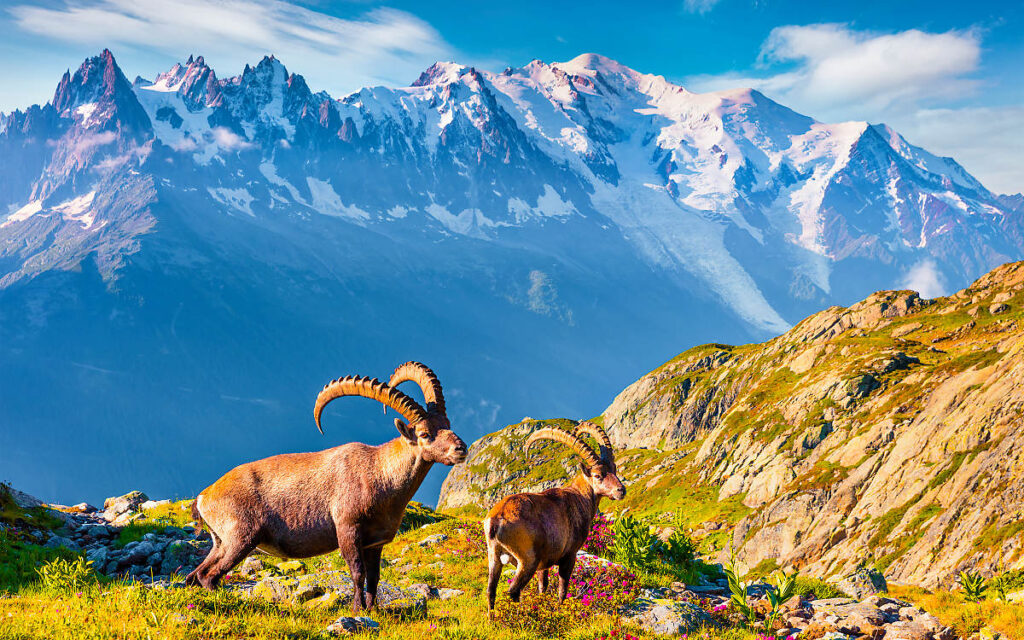
Auvergne–Rhône-Alpes stretches from the majestic French Alps to the serene volcanic landscapes of Auvergne. Lyon, the capital, is revered for its gastronomic excellence—think Michelin-starred restaurants and vibrant food markets. Outdoor enthusiasts flock to ski resorts like Chamonix and Val d’Isère for world-class winter sports, while the Auvergne Volcanoes Regional Park offers hiking trails amid dormant volcanoes. Historic cities such as Grenoble and Clermont-Ferrand add cultural depth, making this region a top destination for nature, cuisine, and heritage.

Bourgogne-Franche-Comté Region
Bourgogne–Franche-Comté combines the viticultural prestige of Burgundy with the tranquil Jura mountains and lakes of Franche-Comté. Capital city Dijon is famed for mustard, half-timbered houses, and a wealth of medieval and Renaissance architecture. The region’s internationally renowned vineyards produce iconic wines like Pinot Noir and Chardonnay. Visitors also enjoy exploring charming canal-side towns, discovering the birthplace of Comté cheese, and admiring UNESCO-listed abbeys that reflect the area’s significant religious heritage.

Brittany (Bretagne) Region
Brittany sits on the rugged northwestern tip of France, characterized by windswept coasts, historic fishing villages, and Celtic-inspired traditions. Its capital, Rennes, offers a youthful university vibe and well-preserved medieval architecture. Coastal cities like Saint-Malo captivate with fortified ramparts, while hidden coves and lighthouses define the scenic coastline. Brittany’s cuisine showcases fresh seafood, savory galettes, and sweet crêpes. Folk festivals celebrating Breton music and dance bring the region’s cultural heritage to life each year.
Centre-Val de Loire Region
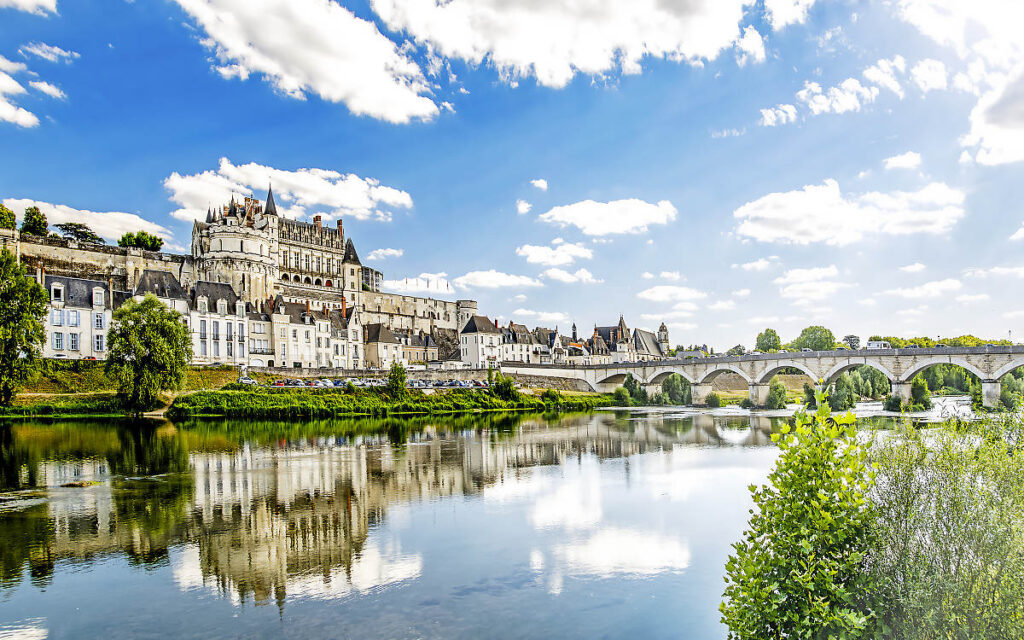
Centre–Val de Loire captivates visitors with its fairy-tale châteaux dotting the Loire Valley—a UNESCO World Heritage Site. Orléans, the capital, honors Joan of Arc’s legacy, blending medieval charm with modern amenities. Vineyards along the Loire produce crisp white wines like Sancerre, while fertile fields support a rich farming tradition. Cities like Tours and Blois feature vibrant arts scenes, and cyclists love pedaling the “Loire à Vélo” route, soaking up the region’s scenic riverbanks and rolling countryside.

Corsica (Corse) Region
The “Island of Beauty” in the Mediterranean, Corsica boasts crystal-clear waters, rugged mountain vistas, and a fiercely independent spirit. Ajaccio, the capital, celebrates Napoleon Bonaparte’s birthplace with museums and memorials. This French island (with a special administrative status) offers hidden coves, hiking trails like the legendary GR20, and a cuisine merging local produce—chestnuts, charcuterie, goat cheese—with Mediterranean flavors. Corsican music, sung in the local language, is woven into the island’s cultural identity.

Grand Est Region
Grand Est blends the influences of its former regions—Alsace, Champagne-Ardenne, and Lorraine—creating a unique cross-border culture. Strasbourg, the capital, stands out for its stunning Gothic cathedral, the seat of the European Parliament, and enchanting Christmas markets. Vineyard-laden hills produce Champagne, the world’s most celebrated sparkling wine. Explore half-timbered villages along the Alsace Wine Route, or delve into Lorraine’s heritage in Metz and Nancy, renowned for Art Nouveau architecture and savory quiche recipes.
Hauts-de-France Region
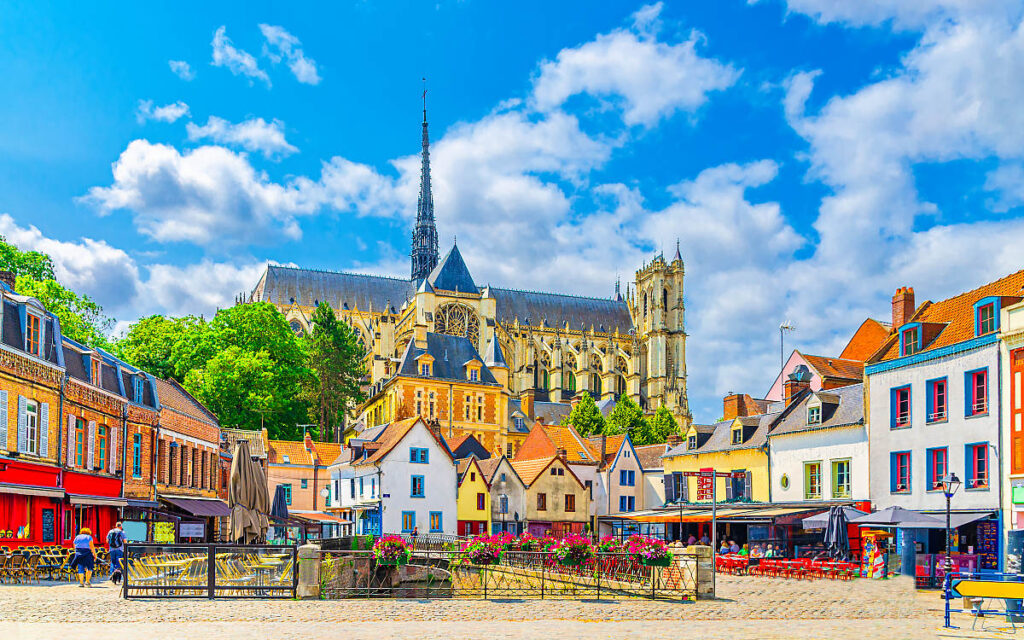
Strategically located near Belgium and the UK, Hauts-de-France features diverse landscapes from sandy beaches on the Côte d’Opale to fertile farmland inland. Lille, its cultural capital, boasts a lively old town with Flemish influences, world-class art museums, and year-round festivities. History buffs can explore WWI memorial sites, including the Somme battlefields. Culinary highlights range from hearty dishes like “Carbonnade Flamande” to sweet “Merveilleux” pastries, reflecting the region’s French-Belgian fusion of flavors.

Normandy (Normandie) Region
Normandy’s rolling green fields, dramatic coastal cliffs, and half-timbered cottages evoke both charm and historical significance. Rouen, the capital, features a stunning Gothic cathedral and ties to Joan of Arc. The region is a poignant reminder of World War II, with D-Day landing beaches and memorials scattered along the coast. Mont Saint-Michel, perched on a tidal island, is a UNESCO World Heritage marvel. Regional specialties include Camembert cheese, apple cider, and hearty seafood dishes.
Nouvelle-Aquitaine Region
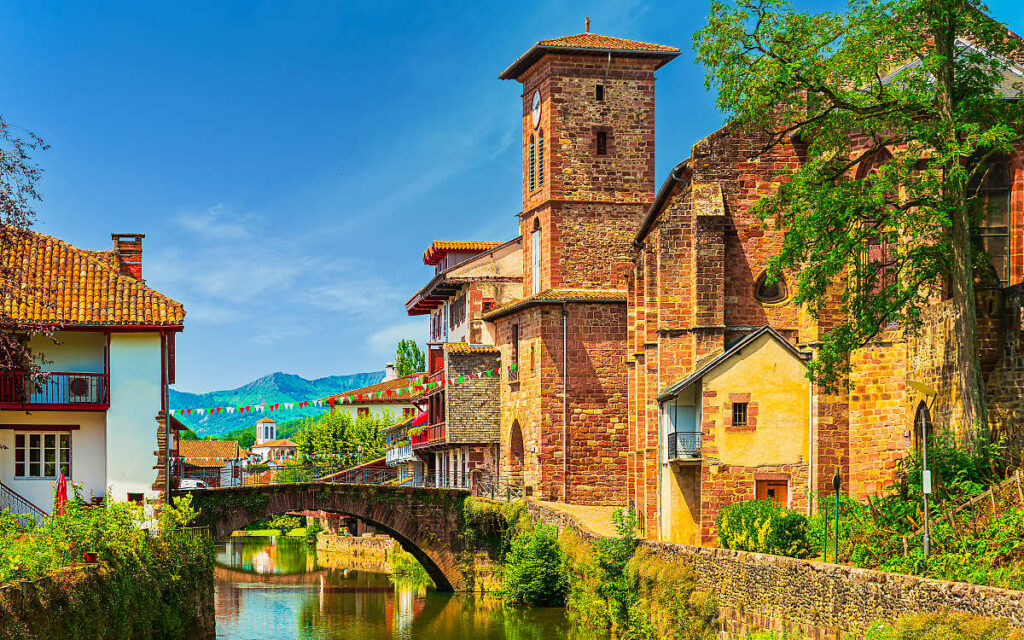
As France’s largest region, Nouvelle-Aquitaine stretches from the Atlantic Coast to the foothills of the Pyrenees. Bordeaux, its capital, is synonymous with some of the world’s finest wines. Surf havens like Biarritz and Hossegor dot the coastline, while the Dordogne and Lot Valleys attract history buffs with prehistoric caves and medieval towns. The region blends Basque heritage in the southwest with classic French elegance, offering a rich tapestry of flavors, landscapes, and cultures.

Occitanie Region
Occitanie spans from the Mediterranean Sea to the Pyrenees mountains, uniting the former regions of Languedoc-Roussillon and Midi-Pyrénées. Toulouse, nicknamed “La Ville Rose” (The Pink City), delights with its terracotta-brick architecture, aerospace industry hub, and bustling canal-side cafés. Ancient Roman sites such as Nîmes reflect a storied past, while beach towns like Montpellier and Perpignan offer sun-soaked getaways. Traditional cassoulet, local wines, and vibrant Catalan culture in the south showcase Occitanie’s diverse identity.
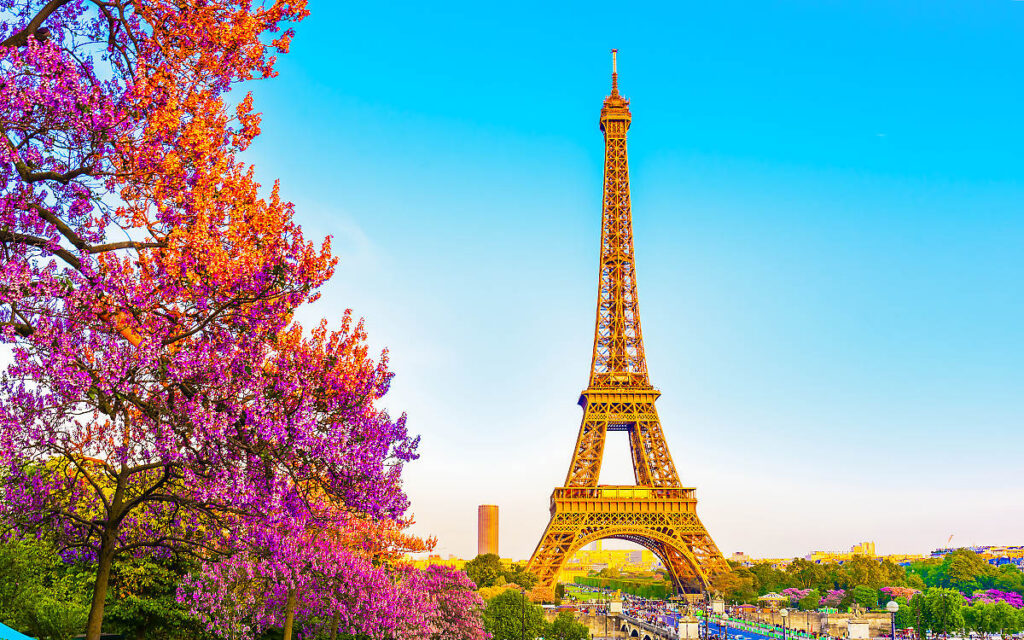
Paris (Île-de-France) Region
Île-de-France, centered on Paris, is the nation’s political, cultural, and economic heartbeat. The capital city enthralls with iconic landmarks such as the Eiffel Tower, Notre-Dame Cathedral, and the Louvre Museum. Beyond the capital’s grandeur, suburban gems like Versailles draw crowds for the opulent palace and its landscaped gardens. As the wealthiest and most populous French region, Île-de-France attracts visitors with world-class shopping, fine dining, vibrant art scenes, and a globally recognized cultural lifestyle.
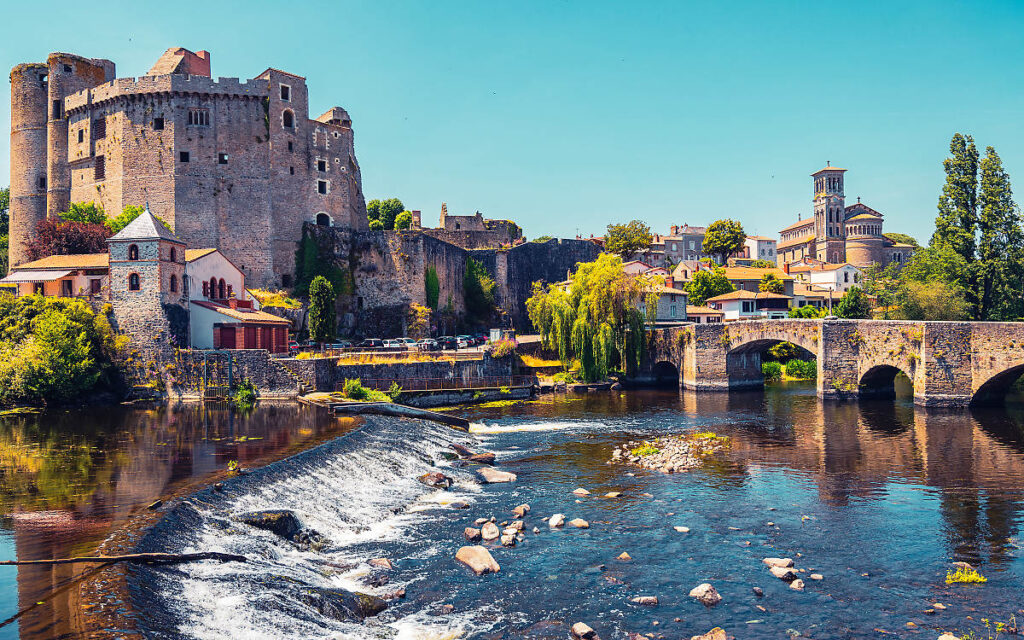
Pays de la Loire Region
Pays de la Loire centers on the lower stretches of the Loire River, with Nantes as a dynamic hub for arts, innovation, and maritime heritage. Castles and historic towns line the riverbanks, and the region’s western coast grants access to Atlantic beaches and fishing ports. Visitors indulge in local seafood, Muscadet wine, and sweet treats like the famed “Petit Beurre” biscuits. Renowned attractions include the Machines of the Isle of Nantes, a whimsical mechanical animal exhibit inspired by Jules Verne.
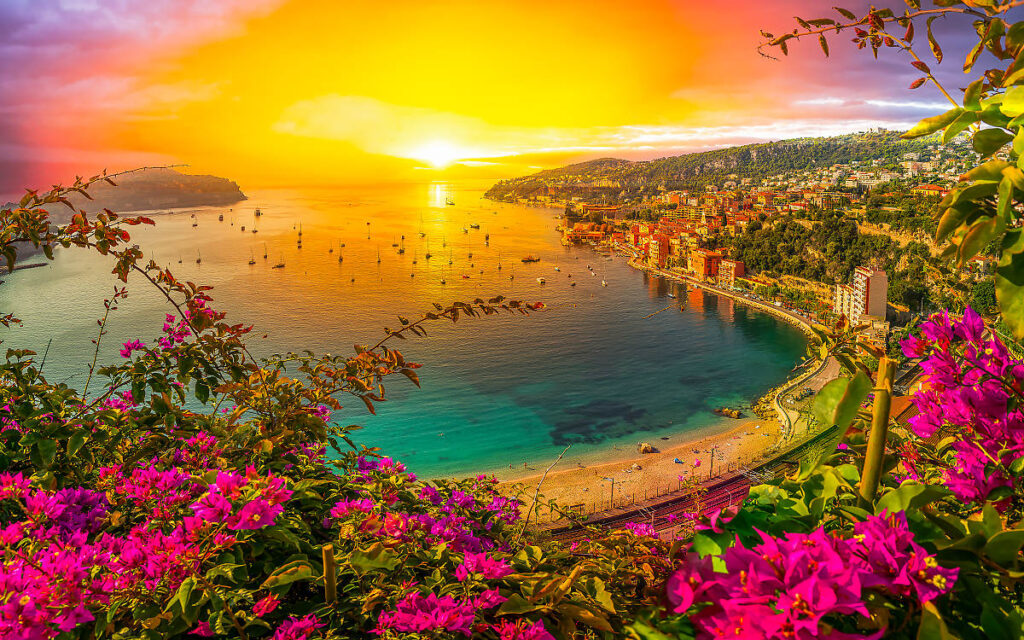
Provence-Alpes-Côte d’Azur Region
Famous for its azure Mediterranean coastline, lavender fields, and Alpine summits, Provence–Alpes–Côte d’Azur epitomizes French Riviera glamour and rural Provencal charm. Marseille, the capital, is a melting pot of cultures and a bustling port city where bouillabaisse reigns supreme. Cannes and Nice beckon with film festivals and stylish promenades, while inland villages like Saint-Paul-de-Vence inspire artists with sun-drenched landscapes. Perfume factories in Grasse and the snow-capped Southern Alps add extra allure to this vibrant region.