
French Wine Regions
Discover France’s most iconic wine regions, from Bordeaux’s legendary châteaux to Burgundy’s terroir-driven vineyards and Champagne’s renowned sparkling cellars. Whether you’re exploring the mineral-rich whites of the Loire, the bold reds of the Rhône, or the sun-kissed rosés of Provence, each region offers distinctive flavors, grape varieties, and cultural traditions. Delve into Alsace’s aromatic whites, taste Corsica’s unique island blends, and venture into the hidden gems of Southwest France, Jura, and Savoie. We will guide you through the country’s diverse soils, climates, and winemaking heritage, ensuring you experience the very best of French viticulture on your journey through these celebrated vineyards.

Alsace Wine Region
Nestled along France’s northeastern border, Alsace benefits from the rain shadow of the Vosges Mountains, creating a sunny, dry climate that suits aromatic whites. Riesling, Gewürztraminer, Pinot Gris, and Muscat thrive on diverse soils, showcasing vibrant fruit flavors, floral notes, and pronounced acidity. Many Alsace wines are produced in a dry style, though late-harvest and botrytized varieties—Vendanges Tardives and Sélection de Grains Nobles—deliver concentrated sweetness. While primarily white-focused, Alsace also produces light-bodied, elegant Pinot Noir reds, reflecting the region’s blend of French and German winemaking heritage.
Bordeaux Wine Region
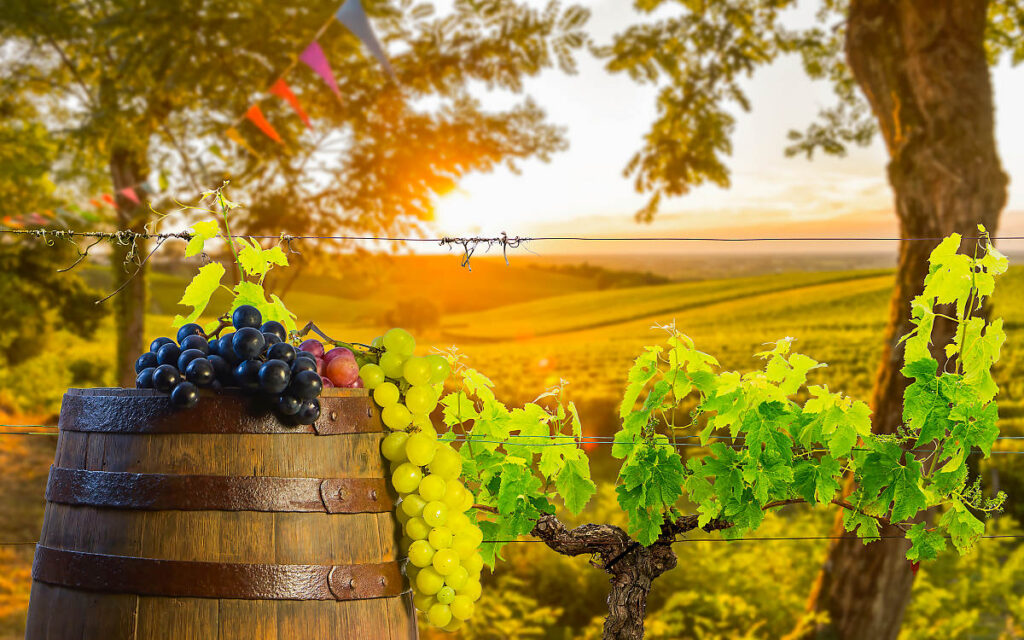
Bordeaux lies in southwestern France, where the Gironde estuary and its rivers shape a maritime climate ideal for age-worthy reds. Cabernet Sauvignon, Merlot, and Cabernet Franc dominate, yielding everything from structured Left Bank blends to velvety Right Bank wines. Iconic appellations include Médoc, Saint-Émilion, and Pomerol, while the region also boasts famous sweet whites from Sauternes and Barsac. Thanks to centuries-old châteaux traditions and precise blending techniques, Bordeaux has become synonymous with elegance, complexity, and worldwide acclaim in fine wines.
Burgundy (Bourgogne) Wine Region
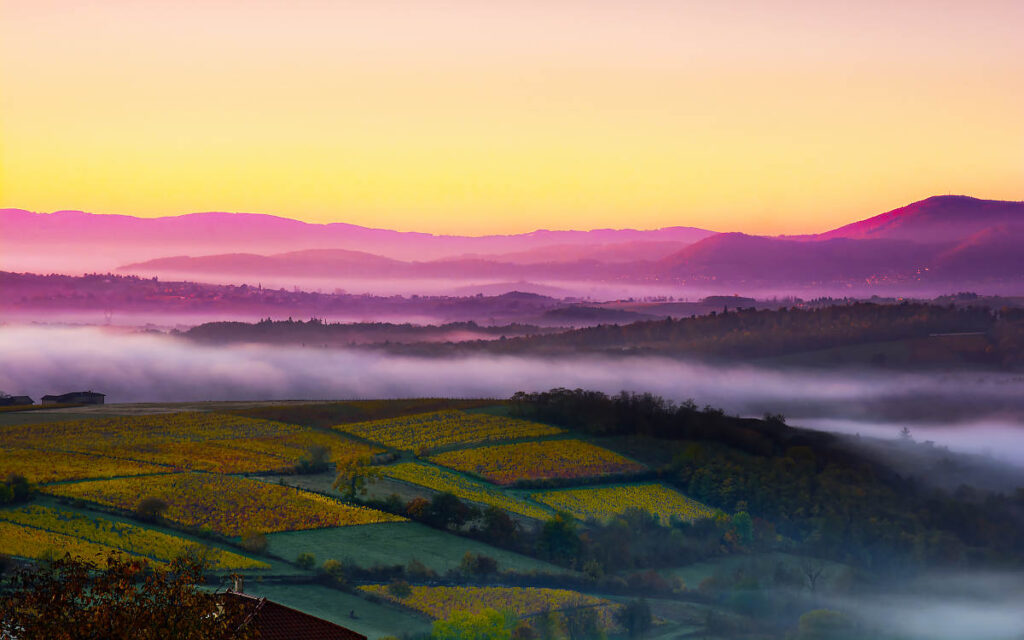
Burgundy is revered for terroir-focused Pinot Noir and Chardonnay, producing wines that reflect each vineyard’s microclimate (or “climat”). The region’s mosaic of appellations—spanning Chablis in the north, the Côte de Nuits and Côte de Beaune in the Côte d’Or, and into the Mâconnais—highlights distinct soil types and exposures. Burgundy’s continental climate leads to nuanced differences from one vineyard to the next, resulting in wines prized for their subtlety, balance, and longevity. Known for exclusive Grand Cru vineyards and storied winemaking traditions, Burgundy remains a benchmark for refined French wines.
Champagne Wine Region
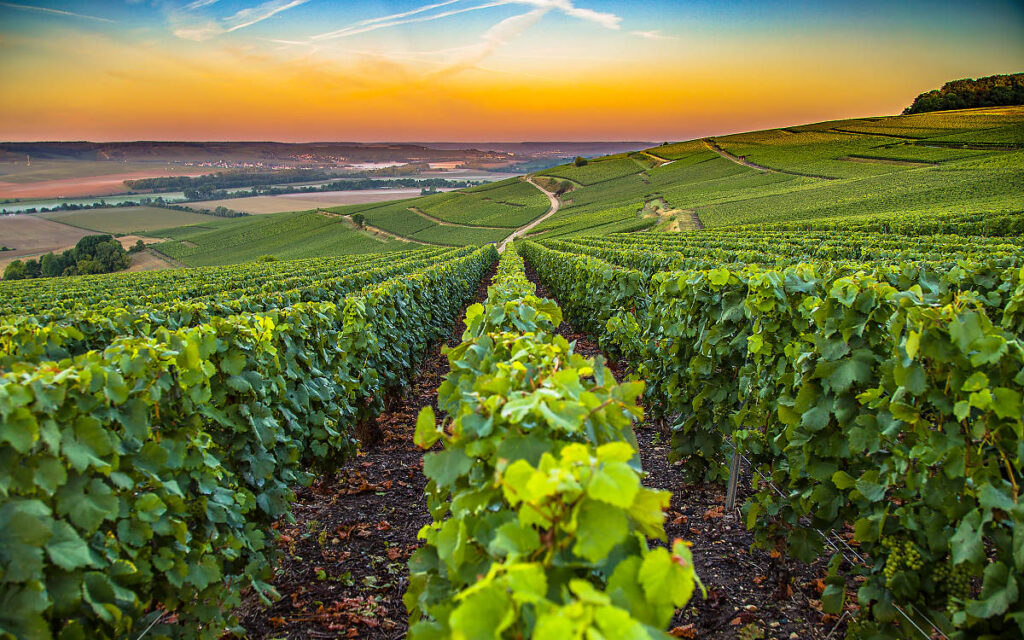
Champagne stands as the world’s premier source of sparkling wine, centered around the towns of Reims and Épernay in northeastern France. Its cool, chalk-rich soils and a strict appellation system nurture Pinot Noir, Pinot Meunier, and Chardonnay grapes. Producers follow the “Traditional Method,” involving secondary fermentation in the bottle for delicate bubbles, complex aromas, and lengthy aging on the lees. From non-vintage cuvées that aim for a consistent house style to prestigious vintage and prestige bottlings, Champagne’s hallmark is celebration-worthy finesse and verve.
Corsica (Corse) Wine Region
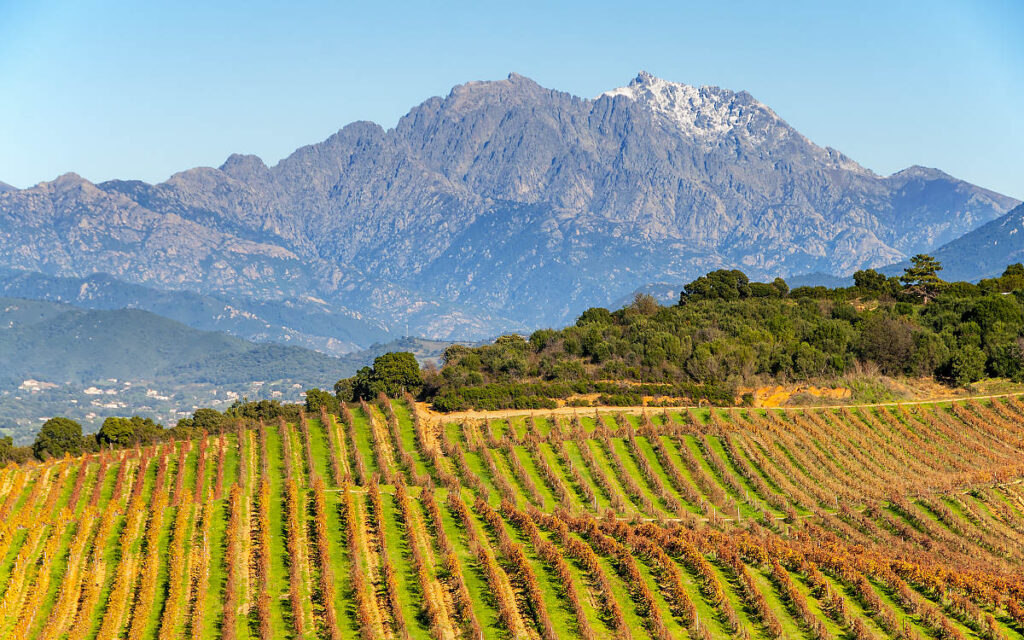
Corsica, an island blending French and Italian influences, cultivates Niellucciu (related to Sangiovese), Sciaccarellu, and Vermentino (Rolle). The Mediterranean climate, moderated by sea breezes and mountainous terrain, fosters aromatic rosés, elegant reds, and lively whites. With various microclimates ranging from coastal plains to high-altitude slopes, Corsican wines present bright acidity and expressive fruit flavors. While local producers embrace tradition, recent focus on improved quality and native grape varieties has elevated Corsica’s profile, making it a fascinating destination for curious wine lovers and travelers alike.
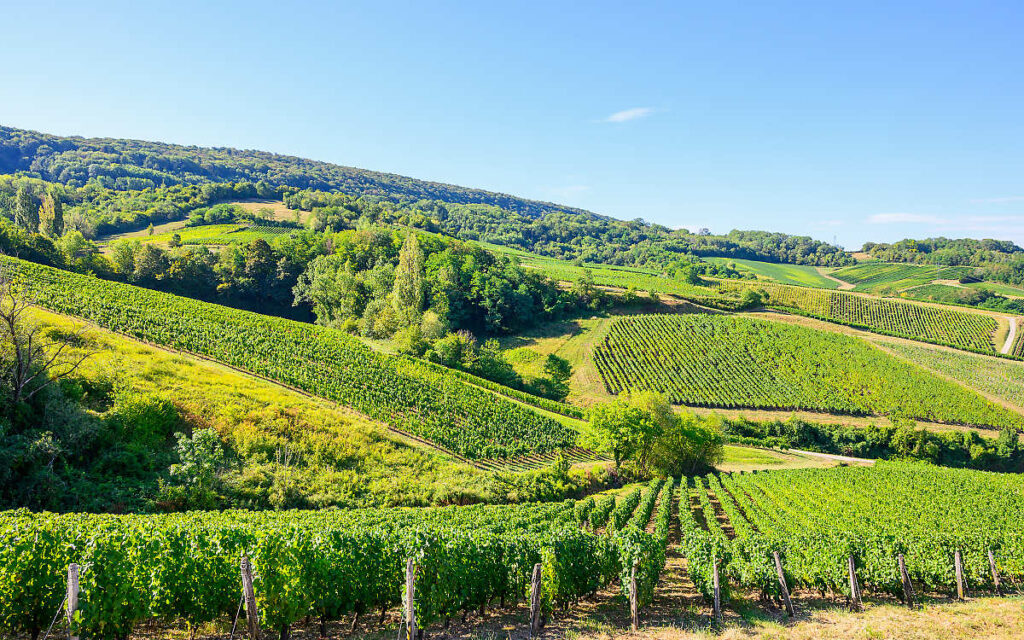
Jura Wine Region
Tucked between Burgundy and Switzerland, the Jura region is renowned for its distinctive, often oxidative wine styles. White wines center on Savagnin and Chardonnay, with “Vin Jaune” aged under a veil of yeast (similar to flor in Sherry) for deep, nutty complexity. Red grapes like Poulsard, Trousseau, and Pinot Noir produce delicate, sometimes lightly colored reds bursting with tart berry notes. With a cool, alpine-influenced climate and diverse limestone soils, Jura’s minimal-intervention approach and unique profiles enchant enthusiasts seeking wines off the beaten path.
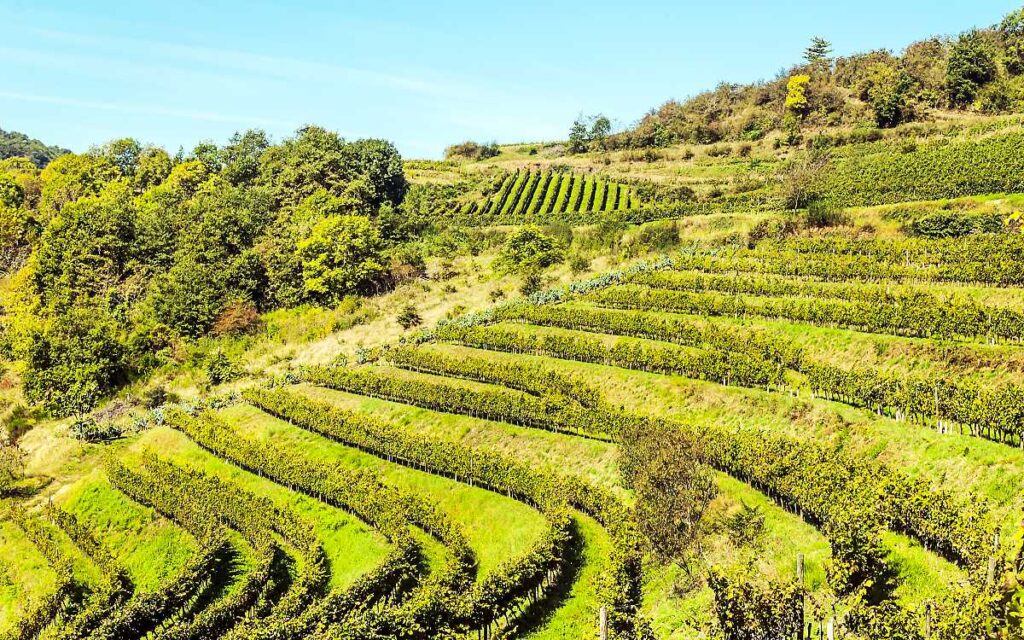
Languedoc-Roussillon Wine Region
Languedoc-Roussillon, now part of the larger Occitanie administrative region, offers exceptional value and variety. Stretching from the Rhône delta to the Spanish border, its hot, sunny vineyards yield fruit-forward red blends dominated by Grenache, Syrah, Mourvèdre, and Carignan. Whites from Picpoul de Pinet and Grenache Blanc reveal a crisp, lively character. Historically mass-producing, the region now sees many quality-focused estates experimenting with organic and biodynamic practices. From rustic local wines to more polished international styles, Languedoc-Roussillon is a dynamic hub of French viticultural reinvention.
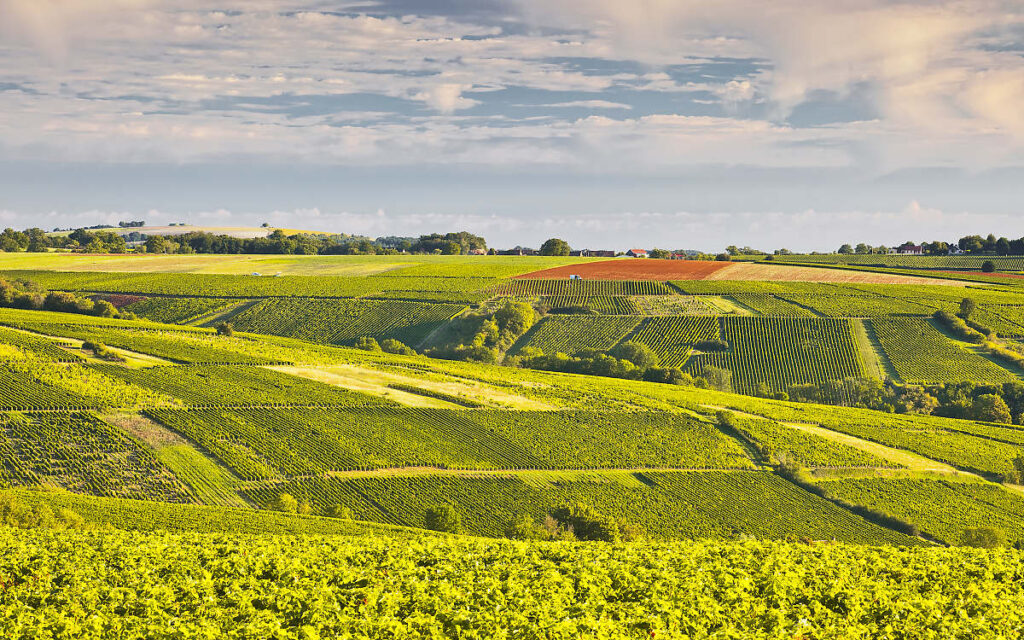
Loire Valley Wine Region
The Loire Valley spans a wide stretch of central France, offering one of the country’s most diverse wine portfolios. Crisp Sauvignon Blanc from Sancerre and Pouilly-Fumé showcases zesty citrus and flinty minerality, while Chenin Blanc in Vouvray and Savennières takes on styles ranging from bone-dry to lusciously sweet. Melon de Bourgogne from Muscadet near the Atlantic produces refreshing whites ideal for seafood pairings. The region’s temperate climate also fosters lighter reds from Cabernet Franc around Chinon and Bourgueil, making the Loire an all-encompassing haven for food-friendly wines.
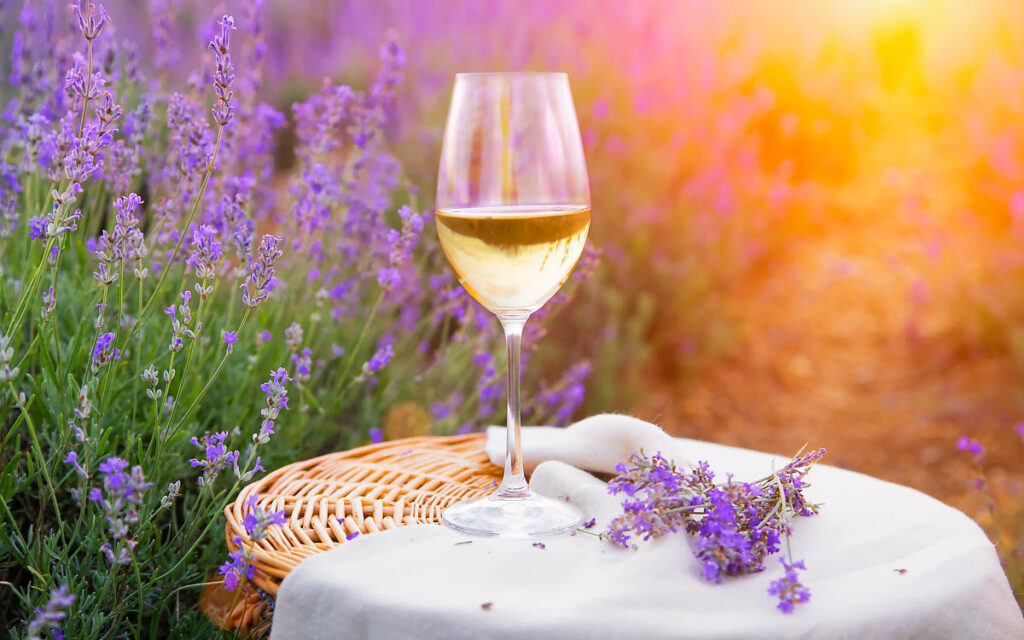
Provence Wine Region
Provence stretches along the Mediterranean coast, blanketed in sun-kissed vineyards and dotted with olive groves and lavender fields. Best known for its iconic rosés, Provence often blends Grenache, Syrah, Mourvèdre, and Cinsault to craft pale, crisp wines with delicate fruit and floral aromas. The region’s warm, dry climate also fosters powerful, structured reds and expressive whites. Within appellations like Côtes de Provence and Bandol, a dedication to fresh, food-friendly wines underscores Provençal culture, making these wines a perfect match for Mediterranean cuisine.
Rhône Valley Wine Region
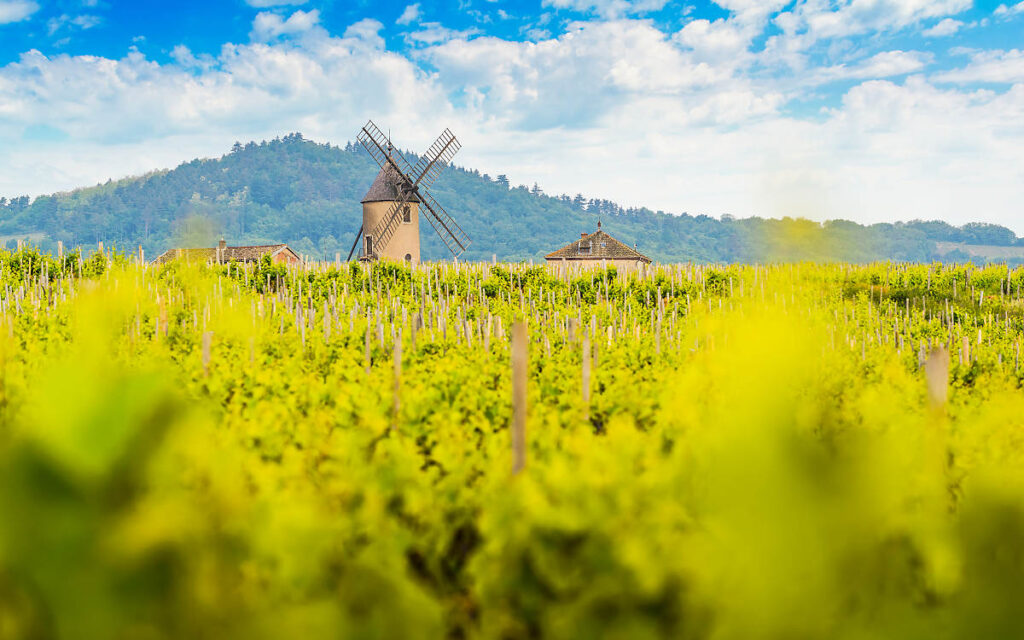
Straddling southeastern France, the Rhône Valley is split into two distinct sub-regions. The Northern Rhône, with its continental climate, is renowned for Syrah-dominant reds like Hermitage and Côte-Rôtie, as well as full-bodied whites made from Viognier, Marsanne, and Roussanne. Moving south, a warmer Mediterranean climate supports blended reds featuring Grenache, Syrah, and Mourvèdre, particularly in Châteauneuf-du-Pape and Gigondas. Across the valley, varying soil types—from granite in the north to galets roulés (rolled pebbles) in the south—shape bold, spicy wines that balance fruit intensity with savory depth.
Savoy (Savoie) Wine Region
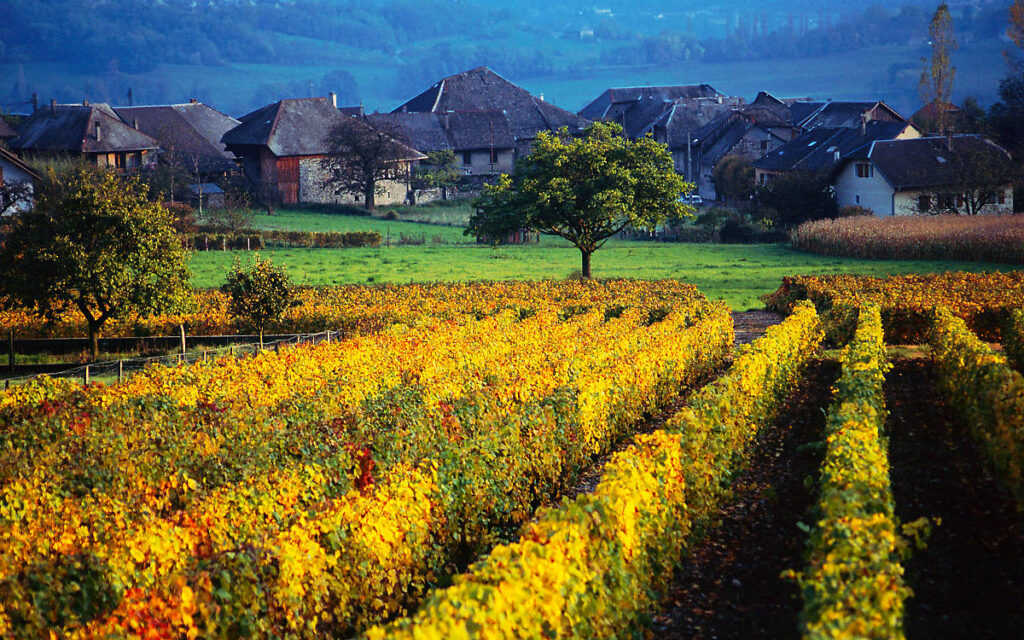
Savoie’s high-altitude vineyards surround alpine lakes and valleys near the Swiss border, shaping wines that highlight crisp, fresh acidity. Native white varieties Jacquère and Altesse deliver mineral-driven, light-bodied wines suitable for pairing with rich mountain dishes like fondue. Reds from Mondeuse, Pinot Noir, and Gamay offer bright fruit and moderate tannins. A short growing season, cool temperatures, and varied subregions result in nuanced expressions. Savoie’s small-scale production and picturesque setting give its wines a boutique appeal, prized among those craving a taste of the Alps.
Southwest France (Sud-Ouest) Wine Region
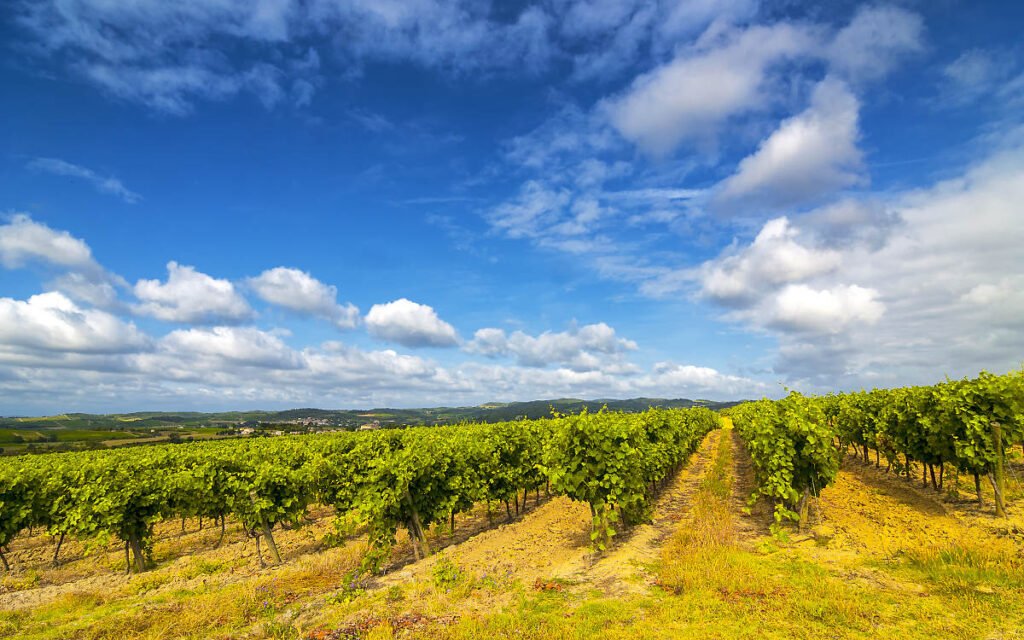
Southwest France encompasses diverse appellations just outside Bordeaux, including Cahors, Madiran, Gaillac, and Jurançon. Cahors is the ancestral home of Malbec, producing powerful, dark-fruited reds; Madiran spotlights the bold, tannic character of Tannat. Gaillac’s varied microclimates nurture both whites (from Mauzac) and reds (Duras, Fer Servadou), while Jurançon is famed for aromatic sweet and dry wines from Petit and Gros Manseng. Despite being lesser-known globally, these areas draw adventurous wine enthusiasts with indigenous grape varieties and a rich tapestry of culinary traditions.