
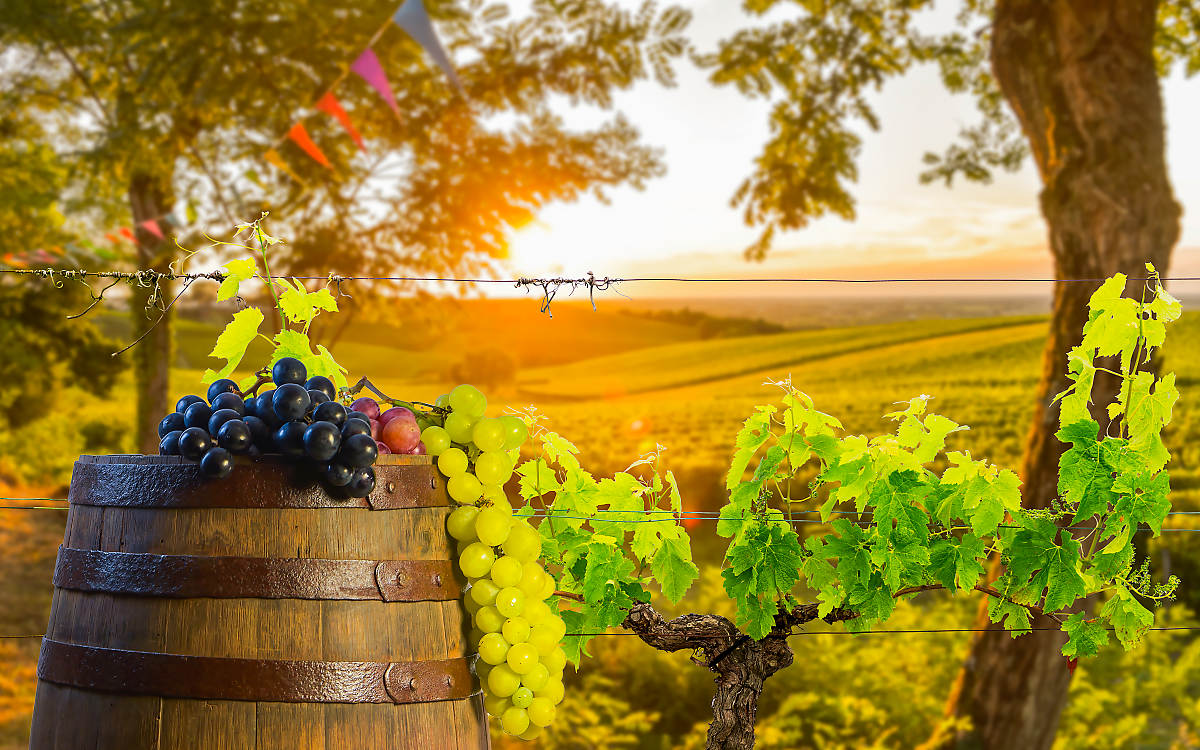
Bordeaux Wine Region
Bordeaux Wine Region
Bordeaux is one of the most renowned wine regions in the world, beckoning travelers with its storied vineyards, exquisite cuisine and rich cultural heritage.
Whether you are a dedicated wine enthusiast or simply looking for an unforgettable getaway, the Bordeaux region offers something for everyone—from tranquil countryside vistas and centuries-old châteaux to lively festivals and gastronomic wonders. In this guide, we will explore the highlights of Bordeaux, discuss its signature wines and cuisine and provide useful tips on planning a visit to this spectacular corner of southwestern France.
Welcome to Bordeaux Wine Region
Nestled in the heart of southwestern France, on the banks of the Garonne River, the Bordeaux wine region captivates visitors with its graceful blend of old-world charm and contemporary vivacity. Famed for producing some of the world’s most prestigious wines—think Château Margaux and Château Lafite Rothschild—Bordeaux is more than just a collection of vineyards. It’s a UNESCO World Heritage city, a cultural hub that boasts grand neoclassical architecture, bustling markets and a thriving food scene that highlights the best of French gastronomy.
- Wine Tourism: From grand cru classes to smaller family-owned estates, tasting opportunities are abundant.
- Culinary Scene: Discover local delicacies like canelés, entrecôte à la bordelaise and an abundance of fresh oysters from nearby Arcachon Bay.
- Cultural Experiences: Meander through ancient cobblestone streets, admire medieval churches or attend lively wine festivals.
- Scenic Landscapes: Rolling vineyards, scenic waterways and atmospheric châteaux form the backdrop to an unforgettable trip.
About the Region
Bordeaux is located in the Nouvelle-Aquitaine region of France, situated near the Atlantic coast and bisected by the Garonne River. The river eventually merges with the Dordogne to form the Gironde estuary, creating the natural divisions of Bordeaux’s famous “Left Bank” and “Right Bank.” Historically, Bordeaux’s prominence as a wine hub stretches back nearly two millennia, beginning with the Romans who planted the first vineyards in the area. The region’s status soared in the 12th century when Eleanor of Aquitaine married Henry Plantagenet (the future King Henry II of England), effectively opening English markets to Bordeaux wines. Throughout the centuries, prosperous trade and meticulous winemaking techniques solidified the region’s global reputation.
Terroir & Climate
The secret to Bordeaux’s wine supremacy lies in its diverse terroir—gravelly soils in the Médoc and Graves, clay and limestone in the Right Bank areas like Saint-Émilion and Pomerol and sandy or alluvial soils in Entre-Deux-Mers. The mild maritime climate, moderated by the nearby Atlantic Ocean and estuaries, ensures relatively cool summers and mild winters. This temperate environment, combined with well-draining soils, allows grapes to achieve optimal ripeness while maintaining freshness and complexity.
Culture & Traditions
Bordeaux’s culture is deeply interwoven with wine. Generation after generation of vineyard owners and local communities have preserved age-old winemaking methods while embracing modern innovations. Yet, the city of Bordeaux is just as proud of its art scene, architecture and cultural institutions. Traditional festivals celebrate the grape harvest, local produce and the region’s patron saints, creating a vibrant tapestry of customs that reflect the harmonious relationship between land, wine and people.
Wine Specialties & Notable Grape Varieties
Signature Wines
- Left Bank Classics: Located west of the Garonne and Gironde, the Médoc and Graves areas are known for Cabernet Sauvignon-dominant blends with robust tannins and excellent aging potential. Famous appellations include Pauillac, Margaux, Saint-Estèphe and Pessac-Léognan.
- Right Bank Gems: Crossing to the east side, Merlot takes center stage in areas like Saint-Émilion and Pomerol, yielding lush, velvet-textured wines.
- White Wine Highlights: While Bordeaux is celebrated mostly for reds, regions like Pessac-Léognan, Graves and Entre-Deux-Mers produce superb whites using Sémillon, Sauvignon Blanc and Muscadelle. Expect crisp, citrusy profiles with notes of tropical fruit and a refreshing acidity.
- Sweet Sauternes and Barsac: These dessert wines are made from late-harvest Sémillon and Sauvignon Blanc grapes affected by noble rot (Botrytis cinerea). Sauternes, particularly from the legendary Château d’Yquem, is prized for its honeyed sweetness, complexity and remarkable longevity.
Grape Varieties
- Cabernet Sauvignon: Provides structure, tannin and dark fruit flavors like blackcurrant, blackberry, and hints of cedar or graphite.
- Merlot: Known for softer tannins, plum and chocolate notes and a rounder mouthfeel. It matures faster than Cabernet Sauvignon, making it more approachable in youth.
- Cabernet Franc: Delivers aromatic finesse, floral nuances and adds elegant structure to blends.
- Petit Verdot: Offers deep color, spicy notes and firm tannins, often used in small quantities.
- Sémillon & Sauvignon Blanc: The backbone of Bordeaux’s white blends. Sauvignon Blanc imparts zesty citrus and herbaceous qualities, while Sémillon contributes body and a waxy texture.
Tasting Profiles
- Left Bank Reds (Cabernet-led): Structured, tannic and focused on black fruits, cedar and earthy notes. They can age for decades.
- Right Bank Reds (Merlot-led): Lush, fruit-forward wines with plum, cherry and chocolate undertones. More accessible in early years but still age-worthy.
- Dry Whites: Bright acidity, green apple, citrus and tropical fruit with delicate mineral and floral notes.
- Sweet Whites (Sauternes/Barsac): Rich, honeyed sweetness balanced by fresh acidity and complex layers of apricot, peach and hazelnut.
Must-Try Bottles and Wineries
- Château Margaux (Margaux AOC) – Iconic Left Bank winery with elegant, perfumed reds.
- Château Lafite Rothschild (Pauillac AOC) – Legendary estate known for its powerful, refined wines.
- Château Cheval Blanc (Saint-Émilion AOC) – A top Right Bank château, producing silky, merlot-driven blends.
- Château d’Yquem (Sauternes) – Benchmark producer of sweet wines with remarkable depth and longevity.
- Smaller, Family-Owned Estates – For a more intimate experience, explore lesser-known appellations like Fronsac, Bourg or Blaye. You will often find fantastic value and warm hospitality.
Cuisine
Regional Dishes
Bordeaux’s culinary heritage is shaped by both land and sea. Signature dishes include:
- Entrecôte à la Bordelaise: A succulent rib steak cooked in a rich sauce made from Bordeaux wine, shallots and bone marrow.
- Canelés: Small, fluted pastries made from flour, egg yolks, sugar and rum. Their caramelized crust contrasts with a soft, custard-like center.
- Oysters from Arcachon Bay: Fresh, briny and often served with a squeeze of lemon or a mignonette sauce.
- Lamproie à la Bordelaise (Lamprey Eel): An ancient dish braised in red wine with onions, leeks and spices.
Wine and Food Pairings
- Cabernet Sauvignon & Roasted Meats: The tannic structure of Left Bank wines complements hearty fare like roast beef or lamb.
- Merlot & Soft Cheeses: The round profile of Right Bank wines pairs brilliantly with Brie, Camembert or Saint-Nectaire.
- White Bordeaux & Seafood: Crisp whites and oysters are a match made in heaven, while richer whites can handle creamy fish dishes.
- Sauternes & Foie Gras or Blue Cheese: The sweet wine cuts through the richness, creating an exquisite balance.
Culinary Hotspots
In the city of Bordeaux itself, you will find an abundance of eateries—from cozy bistros to Michelin-starred restaurants. Explore the atmospheric Marché des Capucins for local cheeses, cured meats and fresh produce. Wine bars abound, offering by-the-glass tastings and tapas-style plates. In villages like Saint-Émilion, dine al fresco in medieval courtyards and soak in the Old World charm.
Local Products
Keep an eye out for these local specialties:
- Truffles: Although more widely associated with Périgord, high-quality black truffles can also be found in the Bordeaux region.
- Duck and Foie Gras: Popular in southwestern France, often served seared with fruit compote.
- Regional Cheeses: Such as Cabécou from nearby areas, known for its creamy texture and tangy flavor.
Must-See Vineyards and Attractions
Top Vineyards and Wine Estates
- Route des Châteaux in Médoc: Drive through vineyards dotted with grand estates like Château Mouton Rothschild, Château Margaux and Château Latour. Guided tours often include visits to barrel rooms, wine cellars and tasting sessions.
- Saint-Émilion’s Medieval Charm: Wander through narrow cobblestone streets and discover underground cellars carved out of limestone. Many estates, such as Château Canon and Château Troplong Mondot, offer immersive tours and stunning views of the rolling hills.
- Graves & Pessac-Léognan: Just a short drive from downtown Bordeaux, these appellations are known for both reds and exceptional dry whites. Notable estates include Château Haut-Brion and Château Pape Clément.
Cultural and Historical Sites
- City of Bordeaux (UNESCO Heritage): Explore the Place de la Bourse, the Grand Théâtre and the golden stone façades along the banks of the Garonne.
- La Cité du Vin: A modern museum dedicated to global wine traditions, featuring interactive exhibits and a panoramic wine bar with 360-degree views of the city.
- Basilica of Saint-Michel: A stunning example of Gothic architecture, featuring an ornate bell tower offering panoramic city vistas.
Scenic Routes and Natural Landscapes
- Cycling Along the Garonne & Dordogne Rivers: Bike paths weave through vineyards, charming hamlets and riverside settings.
- Arcachon Bay & Dune du Pilat: A short drive from Bordeaux, the tallest sand dune in Europe offers sweeping views of the Atlantic Ocean and pine forests.
Top Destinations
- Saint-Émilion: Beyond its wine fame, it boasts historic landmarks such as the Monolithic Church and the Collegiate Church. The entire village is recognized as a UNESCO World Heritage Site.
- Libourne: Situated near the confluence of the Isle and the Dordogne, Libourne’s picturesque center and proximity to famed wine communes like Pomerol make it worth a visit.
- Blaye Citadel: This 17th-century fortification overlooks the Gironde estuary and forms part of a UNESCO World Heritage listing.
- Basilica of St. Seurin & Cathédrale Saint-André (Bordeaux): Both are outstanding examples of French Gothic and Romanesque architecture.
- Médoc Coast: For a change of pace, head west to the Atlantic beaches near Soulac-sur-Mer or Montalivet for wide sandy shores.
Activities
- Wine Tasting Workshops: Many châteaux and wine schools in the region offer short courses or hands-on blending sessions. Families with older kids can sometimes opt for vineyard tours (though tastings remain for adults).
- River Cruises: Explore the Garonne, the Dordogne or the Gironde estuary by boat. Some cruises feature on-board wine tastings or dinner.
- Hot Air Balloon Rides: Float above the vineyards at sunrise or sunset for breathtaking views.
- Beaches & Water Sports: Arcachon Bay and the nearby Atlantic coast are perfect for family-friendly beach days, sailing or surfing lessons.
- Museums & Parks: In Bordeaux city, check out the Museum of Aquitaine for local history or the Jardin Public for picnics and a playground.
Events
- Bordeaux Wine Festival (Fête le Vin): Typically held every two years in June, this major event showcases hundreds of winemakers along the riverfront, with tastings, fireworks and concerts.
- Medieval Festivals in Saint-Émilion: Celebrate the region’s heritage with costumed parades, knight reenactments and craft markets.
- Harvest Festivals (Vendanges): Many small towns host harvest celebrations in early autumn, giving visitors the chance to witness or participate in grape picking.
- Marathon du Médoc: A unique running event that weaves through vineyards with wine-tasting stops along the course. It is known for its fun, carnival-like atmosphere.
- Jazz in Marciac (nearby): While not in Bordeaux proper, this famous summer jazz festival in the Gers region is a popular day trip for music lovers.
Best Time to Visit
Bordeaux enjoys a moderate maritime climate with warm summers, mild winters and consistent rainfall throughout the year.
- Spring (April–June): Temperatures are pleasant and vineyards come alive with fresh green foliage. Fewer crowds make this a charming time to visit.
- Summer (July–August): Peak tourist season with warm weather, bustling festivals and vibrant outdoor café culture.
- Autumn (September–October): Harvest season is a magical period to witness the winemaking process. The foliage in vineyards turns golden red, adding scenic splendor.
- Winter (November–March): Quieter and cooler, yet still a good time for indoor wine tastings and exploring museums without the crowds.
Getting There
- By Air: The region is served by Bordeaux–Mérignac Airport, offering regular flights from major European hubs. A shuttle bus or taxi can transport you from the airport to the city center in about 30 minutes.
- By Train: High-speed TGV trains connect Paris to Bordeaux in just over two hours, making for an easy and scenic journey through the French countryside. Direct trains are also available from other major French cities like Lyon and Toulouse.
- By Car: For those wanting flexibility to explore vineyards off the beaten path, renting a car is a practical option. The drive from Paris to Bordeaux is around six hours, though you can split it up with overnight stops in the Loire Valley or other charming regions.
Getting Around
- Public Transport (TBM): Bordeaux’s tram and bus network is efficient, connecting most tourist hotspots and surrounding areas.
- Car Rental: Provides the freedom to roam through vineyard-laden backroads at your own pace. Parking can be limited in the city center, so plan accordingly.
- Bike Rentals: Bordeaux is recognized as a bike-friendly city, with extensive cycle paths. Many châteaux also welcome cyclists, offering tours or tasting sessions.
- Guided Tours: Organized excursions can be a stress-free way to visit multiple estates in one day without the worry of driving after tastings.
- River Shuttles: In the city, a small ferry service (Bat³) runs along the Garonne, providing a scenic way to hop between points on opposite riverbanks.
This is Bordeaux Wine Region
From world-class wineries and gastronomic indulgences to historic streets and sun-dappled vineyards, Bordeaux is a feast for the senses. The region’s diversity—reflected in its wines, traditions and landscapes—makes it a must-visit destination for travelers seeking a quintessential French experience. Whether you are planning a short weekend city break or a leisurely tour of the countryside, Bordeaux promises unforgettable discoveries around every bend in the road.
As you plan your journey, remember to pace your tastings and activities. Savor each glass of wine, appreciate the intricacies of the regional dishes and lose yourself in the timeless charm that has enthralled visitors for centuries.