
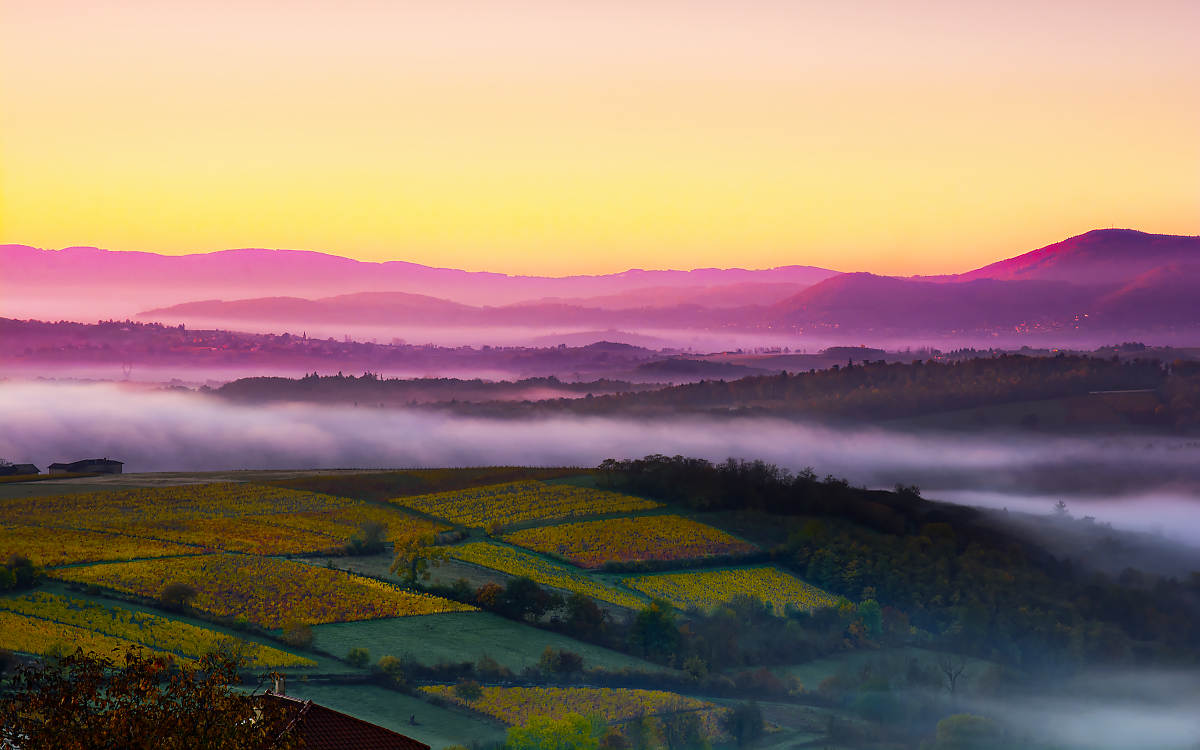
Burgundy (Bourgogne) Wine Region
Burgundy (Bourgogne) Wine Region
Nestled in the heart of eastern France, Burgundy—known locally as Bourgogne—is a region that captivates travelers with its world-class wines, gastronomic delights and breathtaking landscapes.
Whether you are a seasoned oenophile, a dedicated foodie or simply someone seeking an unforgettable cultural and scenic adventure, Burgundy offers a journey unlike any other. This comprehensive guide will walk you through everything you need to know about visiting Burgundy, from its rich historical tapestry to its must-try wines and hidden travel gems.
Welcome to Burgundy (Bourgogne) Wine Region
Burgundy’s allure comes from its harmonious blend of tradition and innovation. It is home to some of the most prestigious vineyards on the planet—names like Romanée-Conti, Montrachet and Corton-Charlemagne immediately resonate with wine enthusiasts. But it’s not just about the wine. Ancient monasteries, medieval towns and rolling hills blanket the region, offering picturesque scenery at every turn. Meanwhile, each village boasts unique cultural quirks, from local festivals to mouthwatering specialties, making Burgundy a multifaceted destination for travelers of all ages.
About the Region
Located southeast of Paris, Burgundy spans several departments, including Côte-d’Or, Saône-et-Loire, Nièvre and Yonne. Historically, Burgundy was a powerful duchy in medieval times and traces of its storied past remain visible in its architecture and traditions. The region’s strategic location along ancient trade routes fostered a rich cultural tapestry that combines French heritage with a flair of local independence.
Terroir & Climate
Burgundy’s terroir is legendary in the wine world. A patchwork of vineyards covers slopes and valleys, with soils composed of limestone, clay and marl. The climate is continental—cold winters, warm summers and relatively moderate rainfall—making the region ideal for growing Pinot Noir and Chardonnay grapes. Each vineyard plot (known as a “climat”) has its own distinct soil composition and microclimate, resulting in an astonishing diversity of wines even within a single appellation.
Culture & Traditions
Burgundy’s people take immense pride in their heritage which revolves around a love of good food, exceptional wine and respect for the land. Traditional festivals celebrating harvests, patron saints and regional products occur year-round. One of the most famous is the annual Hospices de Beaune Wine Auction each November which funds local hospitals and charities. Throughout the region, you will find strong communal ties, with generations of families working in wine, cheese production and farming, passing down skills and knowledge through the centuries.
Wine Specialties & Notable Grape Varieties
Signature Wines
Burgundy’s reputation primarily rests on two noble grapes: Pinot Noir and Chardonnay. However, lesser-known varieties like Aligoté (a crisp white) and Gamay (commonly grown in southern Burgundy) also hold a dedicated following.
- Pinot Noir: Usually light to medium-bodied with red fruit aromas and earthy undertones. Its delicate nature reflects the subtle differences in terroir.
- Chardonnay: Produces some of the world’s finest whites, from steely and mineral-driven Chablis to rich and buttery Côte de Beaune wines.
Grape Varieties and Tasting Profiles
- Pinot Noir: Expect notes of cherry, raspberry and mushroom, often accompanied by a silky texture and balanced acidity.
- Chardonnay: Ranges from crisp green apple and citrus in Chablis to complex, creamy textures with hints of hazelnut and brioche in Meursault and Puligny-Montrachet.
- Aligoté: Light, refreshing and perfect for an apéritif or making the classic Kir (Aligoté with blackcurrant liqueur).
- Gamay: Grown in small pockets of Burgundy, producing fruit-forward reds with a light body.
Must-Try Bottles and Wineries
- Domaine de la Romanée-Conti (Côte de Nuits): Widely hailed as producing some of the most exquisite (and expensive) Pinot Noir in the world.
- Domaine Leflaive (Puligny-Montrachet): Known for elegant, complex Chardonnay.
- Domaine Jean-Paul & Benoît Droin (Chablis): Producing some of the region’s top whites that embody the flinty minerality of Chablis.
- Château du Clos de Vougeot: While you can’t buy their own label, a tour of the centuries-old vineyard and estate is essential to understand the historical context of winemaking in Burgundy.
Cuisine
Regional Dishes
No trip to Burgundy is complete without indulging in Bœuf Bourguignon—tender beef stewed in a rich red wine sauce—or Coq au Vin, where chicken is braised with wine, mushrooms and lardons. Other delights include:
- Escargots de Bourgogne: Snails cooked in a decadent garlic and parsley butter.
- Œufs en Meurette: Poached eggs in a red wine sauce, typically served with bacon and onions.
- Epoisses Cheese: A pungent soft cheese washed in Marc de Bourgogne (a local brandy) with an unmistakable aroma and flavor.
Wine and Food Pairings
- Pinot Noir pairs well with game birds, duck, mushroom-based dishes and rich stews like Bœuf Bourguignon.
- Chardonnay is ideal with creamy cheeses (think Epoisses), poultry and seafood.
- Chablis goes excellently with oysters, goat cheese or light fish recipes.
- Aligoté is a great apéritif when mixed with cassis for a Kir.
Culinary Hotspots
- Beaune: The beating heart of Burgundy’s wine trade, teeming with cozy bistros and Michelin-starred restaurants.
- Dijon: Famous for its mustard and gastronomic scene, offering everything from traditional Burgundian cuisine to modern fusion.
- Tournus: A smaller town but known for having multiple top-rated restaurants within walking distance of each other.
Local Products
- Dijon Mustard: Synonymous with the region, an essential pantry staple worldwide.
- Cassissium in Nuits-Saint-Georges: Showcases the region’s blackcurrant liqueur production (Crème de Cassis).
- Charolais Beef: Raised in Burgundy, prized for its tenderness and flavor.
Must-See Vineyards and Attractions
Top Vineyards or Wine Estates
- Route des Grands Crus: A scenic drive or cycle route through legendary vineyards like Gevrey-Chambertin, Vosne-Romanée and Nuits-Saint-Georges.
- Chablis Vineyards: Known for mineral-rich Chardonnay. Wander through vineyards dotted around the town of Chablis for picture-perfect vistas.
Cultural and Historical Sites
- Hospices de Beaune (Hôtel-Dieu): A 15th-century charitable hospital, renowned for its striking colored tile roof.
- Château de Pommard: Offers guided tours that delve into winemaking, with a chance to taste their esteemed Pinot Noir.
- Abbey of Cluny: Once the largest church in Christendom, a major center of medieval religious life.
Scenic Routes and Natural Landscapes
- The Burgundy Canal: Perfect for boating or cycling along peaceful towpaths lined with charming villages.
- Morvan Regional Natural Park: A haven for hikers, with forests, lakes and waterfalls—ideal for a day trip to experience unspoiled nature.
Top Destinations
- Dijon: The regional capital, known for its mustard, half-timbered houses and the Palace of the Dukes of Burgundy.
- Beaune: Often called the “Wine Capital of Burgundy,” offering easy access to nearby vineyards, as well as historical sites like the Hospices de Beaune.
- Vézelay: A spiritual gem featuring the Basilica of Sainte-Marie-Madeleine, a UNESCO World Heritage site and a stop on the Way of St. James pilgrimage route.
- Autun: Home to impressive Roman ruins, including a well-preserved amphitheater and ancient gateways.
- Chalon-sur-Saône: Birthplace of photography pioneer Nicéphore Niépce, featuring museums and a vibrant riverside district.
Activities
- Wine Tasting Tours: Many vineyards offer guided tastings suitable for curious visitors. Some estates provide non-alcoholic options for younger family members.
- Cycling or Hiking: The gentle rolling hills and designated trails through vineyards make for a safe and scenic experience for all ages.
- Boat Rides on the Burgundy Canal: Enjoy a leisurely cruise, taking in the countryside. Many canal boats come equipped with family-friendly amenities.
- Cooking Classes: Learn to prepare classic Burgundian dishes under the guidance of local chefs. Children can join simpler workshops, like baking French pastries or making chocolate desserts.
- Visiting Local Markets: The vibrant markets in towns like Dijon and Beaune offer fresh produce, artisanal cheeses and an authentic slice of local life.
Events
- Hospices de Beaune Wine Auction (November): A historic charity event where wine barrels are auctioned off, attracting global attention.
- Fête de la Musique (June 21): Like everywhere in France, Burgundy’s towns come alive with free concerts and street performances.
- Saint-Vincent Tournante (January): A rotating wine festival hosted by a different Burgundian village each year, celebrating the patron saint of winegrowers.
- Jazz à Beaune (Late Summer): Combines jazz music performances with wine tastings—an excellent blend of culture and gastronomy.
Best Time to Visit
Burgundy experiences four distinct seasons, each offering unique reasons to visit:
- Spring (March–May): Vineyards come to life with blossoming flowers. Mild temperatures are perfect for walking or cycling tours.
- Summer (June–August): Warm and sunny, a great time for canal boat rides and outdoor dining. However, it is also peak tourist season, so book accommodation in advance.
- Autumn (September–November): Harvest season in the vineyards when foliage turns golden and wine festivals take center stage.
- Winter (December–February): Quieter but still magical with fewer crowds and the chance to enjoy hearty meals by the fireplace. Some vineyards may have limited hours.
For most travelers, late spring or early autumn offers the ideal balance between pleasant weather and fewer crowds, especially if you want to explore vineyards and attend harvest-related events.
Getting There
- By Air: The closest major airports are Lyon-Saint Exupéry Airport and Paris Charles de Gaulle from which you can catch a train or drive to Burgundy.
- By Train: High-speed TGV trains connect Paris to Dijon in about 1.5 hours, making rail travel one of the most convenient ways to reach Burgundy.
- By Car: Driving allows flexibility. The A6 motorway links Paris to Lyon, passing through Burgundy. This is especially helpful if you plan to explore multiple towns and vineyards at your own pace.
Getting Around
- Car Rental: Many visitors opt to rent a car. The region’s roads are well-maintained and sign posted wine routes guide you to vineyards and scenic spots.
- Train & Public Transport: The local rail network connects major towns like Dijon, Beaune and Chalon-sur-Saône. Buses serve smaller towns, although schedules can be limited on weekends.
- Cycling: Burgundy is exceptionally bike-friendly with numerous cycle paths. Renting an e-bike is a popular choice for tackling hilly vineyard routes.
- Guided Tours & Shuttles: Several companies offer day tours focusing on wine tastings, local markets and historical sites. This is a good option if you don’t want to worry about driving and parking.
This is Burgundy (Bourgogne) Wine Region
Burgundy stands out as one of France’s premier travel destinations, combining prestigious wines, mouthwatering cuisine and millennia of cultural heritage. The region’s gentle landscapes and welcoming atmosphere beckon travelers to slow down, savor each glass of wine and appreciate time-honored traditions. From exploring the vibrant market stalls in Dijon to sipping a rare vintage in a centuries-old cellar, every moment in Burgundy promises to enrich your understanding of French history, gastronomy and joie de vivre.
Whether you are planning your first trip or returning to discover more hidden corners, Burgundy will greet you with the same warmth and authenticity that has made it a beloved destination for generations. Pack your bags, bring an appetite and get ready to fall under the spell of France’s most cherished wine region—a place where the art of living is expressed in every meal, every vineyard and every conversation.