
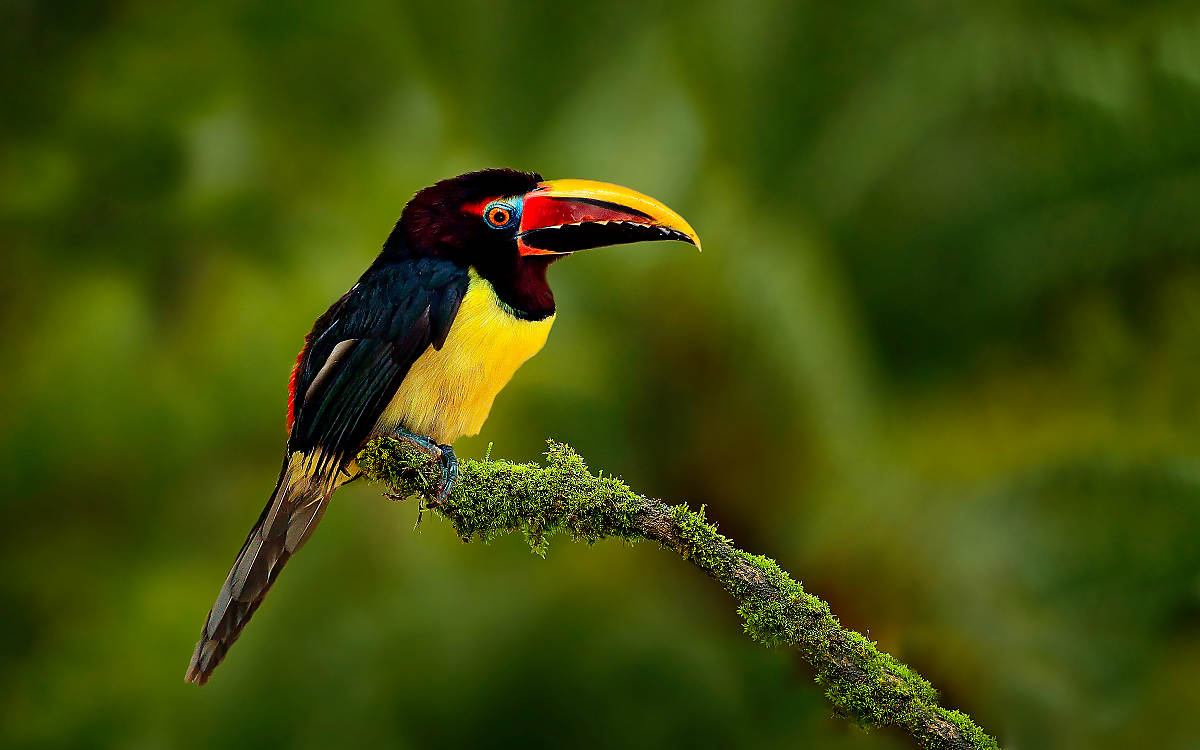
Green Aracari (Pteroglossus viridis) in French Guiana (Guyane) Overseas Territory
French Guiana (Guyane) Overseas Territory
When you think of France, your mind likely conjures images of the Eiffel Tower, the Louvre and charming cobblestone streets.
Yet, France’s territorial domain extends far beyond the European continent. Tucked away on the northeastern coast of South America lies French Guiana (Guyane)—an overseas region that offers a mesmerizing mix of tropical rainforests, diverse cultures and historic intrigue.
From exploring the Amazonian canopy to visiting historic sites that echo centuries of both sorrow and triumph, French Guiana is a hidden gem waiting to be discovered. In this comprehensive guide we will delve into its history, geography, climate, main attractions, cultural highlights, cuisine and travel logistics to help you plan a memorable trip.
Welcome to French Guiana (Guyane)
Often overshadowed by more famous South American neighbours or by mainland France, French Guiana provides a truly unique travel experience that combines the lush biodiversity of the Amazon with a European administrative framework. Whether you are an adventure seeker looking to explore untamed jungles, a history buff eager to uncover tales of penal colonies or a foodie searching for bold Creole flavors, you will find plenty to love in this corner of South America.
History
Long before European explorers arrived, indigenous groups such as the Arawak and Carib peoples inhabited what is now French Guiana. Their rich traditions, spiritual beliefs and knowledge of the rainforest formed the foundation of the region’s cultural tapestry.
The French first established colonial outposts in the 17th century vying with the Dutch, Portuguese and British for control. Over time French Guiana became a focal point for plantation agriculture and later a notorious penal colony. The region’s isolation made it an ideal location for French prisons, most famously the one located on the Îles du Salut(Salvation Islands), which included Devil’s Island—a name that still sparks curiosity among travelers.
From the mid-19th century until the mid-20th century thousands of prisoners were sent to French Guiana under harsh conditions. Many of the remnants of this penal past—such as the old cell blocks and administrative buildings—still stand today, offering poignant historical insights. The penal colonies were officially closed in 1953 but their legacies left a profound cultural and demographic impact on the region.
Today, French Guiana is an overseas region of France, meaning it is fully integrated into the French Republic. Residents are French citizens and the official currency is the euro. Despite its modern administrative status, French Guiana retains a distinct cultural identity that is deeply connected to the rainforest and its varied heritage.
Location
French Guiana is located on the northern coast of South America, bordered by Suriname to the west and Brazil to the south and east, while its northern coastline meets the Atlantic Ocean. Approximately 95% of the region is covered by dense tropical rainforest—an extension of the Amazon Basin—making it a haven for biodiversity.
Despite its location, French Guiana is relatively accessible by air and by sea. Its major city and administrative capital, Cayenne, sits along the coast, serving as the primary gateway for international travelers.
Best Time to Visit
French Guiana’s climate is tropical—hot, humid and rainy for a significant portion of the year. Temperatures generally hover between 24°C (75°F) and 31°C (88°F). The humidity and rainfall support lush flora and an abundance of wildlife, but they can also make travel in certain areas more challenging.
Rainy and Dry Seasons
- Rainy Season: From December to June, with a peak in May. Expect torrential downpours that can flood roads and disrupt outdoor activities.
- Short Dry Season: Occurs around February or March, but it’s brief and often unpredictable.
- Main Dry Season: From late July or August to November. This period sees the least rainfall, making it the most popular time for tourist activities.
The best time to visit is typically between August and November, when rainfall is lower, jungle trails are more accessible and the weather—though still humid—is less likely to hamper your travel plans.
Top Destinations
Cayenne: The Vibrant Capital
City Highlights
- Cayenne City Center: Wander through the city’s historic quarters filled with colorful Creole-style houses and small markets offering fresh fruit, spices and artisanal crafts.
- Fort Cépérou: Overlooking the city and the sea, this 17th-century fort offers panoramic views of Cayenne and serves as a historical reminder of the region’s colonial past.
- Place des Palmistes: A central square lined with palm trees, shops and cafés, making it a pleasant spot to experience local life.
Kourou: Gateway to Space
Guiana Space Centre
- Operated by the French government and the European Space Agency, the Guiana Space Centre is one of the most important rocket launch sites in the world.
- Visitors can tour the facility (by advance booking) and, with some luck, witness a live rocket launch—an unforgettable experience for space enthusiasts.
Îles du Salut (Salvation Islands)
Historical and Natural Wonders
- Devil’s Island: The most infamous of the three islands, once home to notorious prisoners like Alfred Dreyfus. Stroll among the abandoned prison buildings and imagine the harsh realities of its former inmates.
- Île Royale: The largest island, offering accommodations, a small museum and hiking trails through lush vegetation.
- Île Saint-Joseph: Once reserved for solitary confinement, it now features scenic paths for those curious about the island’s sombre past.
Cacao: A Taste of Hmong Culture
Immersive Experience
- Founded by Hmong refugees from Laos in the 1970s, Cacao is renowned for its bustling Sunday market which showcases Hmong textiles, produce and mouthwatering homemade dishes.
- The nearby rainforest offers excellent hiking and nature-watching opportunities.
Other Historic and Religious Sites
- Saint-Sauveur Cathedral (Cayenne): This cathedral combines European architectural influences with tropical flair.
- Remains of the Jesuit Missions: Though much of their infrastructure has deteriorated, the sites still hold historical importance for understanding the region’s religious and cultural evolution.
Activities
Jungle Exploration
- Guided Rainforest Tours: Venture deep into the Amazonian jungle with experienced guides who can point out medicinal plants, exotic birds and even elusive jaguars.
- Canopy Walks: Some eco-reserves offer canopy walkways that allow you to observe birds, monkeys and other wildlife from a unique vantage point.
River Cruises
- Oyapock and Maroni Rivers: Hop on a boat tour to explore remote riverside villages and encounter local communities. Family-friendly cruise options often include stops for swimming, picnicking and wildlife spotting.
Beach Outings
- While French Guiana isn’t primarily known for classic Caribbean-style beaches, coastal areas like Montjoly Beach near Cayenne offer scenic shorelines ideal for a relaxing day out. Note that strong currents can make swimming challenging, so caution is advised.
Cultural Workshops
- Artisan Classes: Join local artisans for workshops on traditional crafts like basket weaving or wood carving. These hands-on sessions are great for families looking for immersive cultural experiences.
- Cooking Lessons: Learn to prepare Creole staples, such as a hearty colombo or spicy pepper sauces under the guidance of local chefs.
Festivals and Events
- Carnival: Between Epiphany (early January) and Ash Wednesday, French Guiana hosts a vibrant carnival with costumed parades and lively music. This family-friendly celebration is a riot of color and culture.
Culture and Heritage
French Guiana’s cultural fabric weaves together elements of indigenous heritage, African traditions (brought over during the colonial slave trade), French colonial practices and influences from the wider Caribbean and South America.
Languages
- Official Language: French.
- Commonly Spoken: Creole, along with various indigenous and immigrant languages such as Hmong, Portuguese and English in tourist-centric areas.
Music and Dance
- Zouk and Salsa: Popular on the local music scene, reflecting the Caribbean and Latin American influences.
- Traditional Drumming and Dancing: Linked to African roots, often performed during local festivals and community gatherings.
Religious and Spiritual Practices
Although predominantly Roman Catholic due to French influence, French Guiana also has Protestant, Hindu and indigenous spiritual traditions. Religious festivals and processions often form a key part of local cultural life.
Cuisine
Creole Specialties
- Colombo: A fragrant curry-like stew made with chicken, goat or fish, seasoned with a blend of spices including coriander, turmeric and cumin.
- Bouillon d’Awara: A rich stew often prepared for Easter. It features the pulp of the awara fruit, smoked fish, crab, chicken pork, and a variety of local vegetables.
- Pimentade: A spicy fish dish cooked with peppers, onions, garlic and tomatoes.
Seafood Galore
Given French Guiana’s coastal location and river systems, fresh fish, shrimp and crab are abundant. Local cooks skillfully blend French and Creole cooking techniques to create mouthwatering seafood medleys.
Street Food
In cities like Cayenne and Kourou, you will find small stands offering Accras de Morue (cod fritters), Bokit (a fried dough sandwich stuffed with fish, meat or vegetables) and tropical fruit juices made from guava, mango or passion fruit.
Getting There
By Air
- Cayenne – Félix Eboué Airport (CAY): The main international gateway to French Guiana with flights from Paris (Orly Airport), Fort-de-France (Martinique) and other regional hubs.
- Flight Duration: A direct flight from Paris to Cayenne takes roughly 9 hours, though it can vary.
By Sea
- Cruise Ships: Some regional cruise lines include a stop in French Guiana, typically docking near Degrad des Cannes.
- Private Yachts: French Guiana is a possible stop for sailors crossing the Atlantic or traveling along the South American coastline, though marina facilities are limited.
Entry Requirements
As an overseas department of France, entry requirements are the same as those for mainland France. EU citizens can travel freely with valid identification. Travelers from non-EU countries may need a Schengen visa (though French Guiana is technically outside the Schengen area, French visa rules apply—check the latest requirements).
Getting Around
Road Travel
- Car Rental: This is the most convenient way to explore the coastal cities and nearby attractions. However, roads can be poorly maintained outside urban areas.
- Taxis: Readily available in Cayenne and Kourou, but fares can be high. Make sure to confirm the price before setting off.
Public Transportation
- Buses: Limited schedules and routes, primarily connecting major urban centers like Cayenne, Kourou and Saint-Laurent-du-Maroni.
- Collective Taxis: Known locally as “taxis collectifs,” they operate on fixed routes but depart only when they are full.
River Travel
- Pirogues (motorized canoes): Commonly used to travel along rivers to remote areas. These journeys can be arranged through tour operators or local boatmen, offering a scenic and adventurous way to reach indigenous villages and secluded sites.
Tips for Safe Travel
- Plan Ahead: Road conditions can deteriorate quickly during the rainy season and remote areas often lack reliable cell service.
- Hire Guides: For jungle treks or river expeditions, going with an experienced guide is not only safer but also more enriching.
- Stay Informed: Always check the latest travel advisories, weather reports and local news before venturing outside urban centers.
This is French Guiana (Guyane)
French Guiana (Guyane) remains one of the world’s most fascinating and under-explored travel destinations. Its blend of lush rainforest, multicultural heritage, European administrative systems and intriguing colonial history creates a tapestry unlike any other in South America. Whether you are drawn by the chance to roam through Amazonian jungles, marvel at state-of-the-art rocket launches or delve into the stories of former penal colonies, French Guiana has a wealth of experiences to offer.
By timing your visit during the drier months and planning ahead for transport and guided tours, you will unlock the region’s hidden gems with greater ease. Pair every adventure with delicious Creole dishes, a glass of fine French wine and the warm hospitality of the local communities and you will soon find that this remote corner of France is a travel secret worth sharing.
Ready to Start Your Journey?
Book your flight to Cayenne, grab your camera (and a sense of adventure) and discover what makes French Guiana one of the most rewarding destinations for travellers seeking a truly unique escape.