
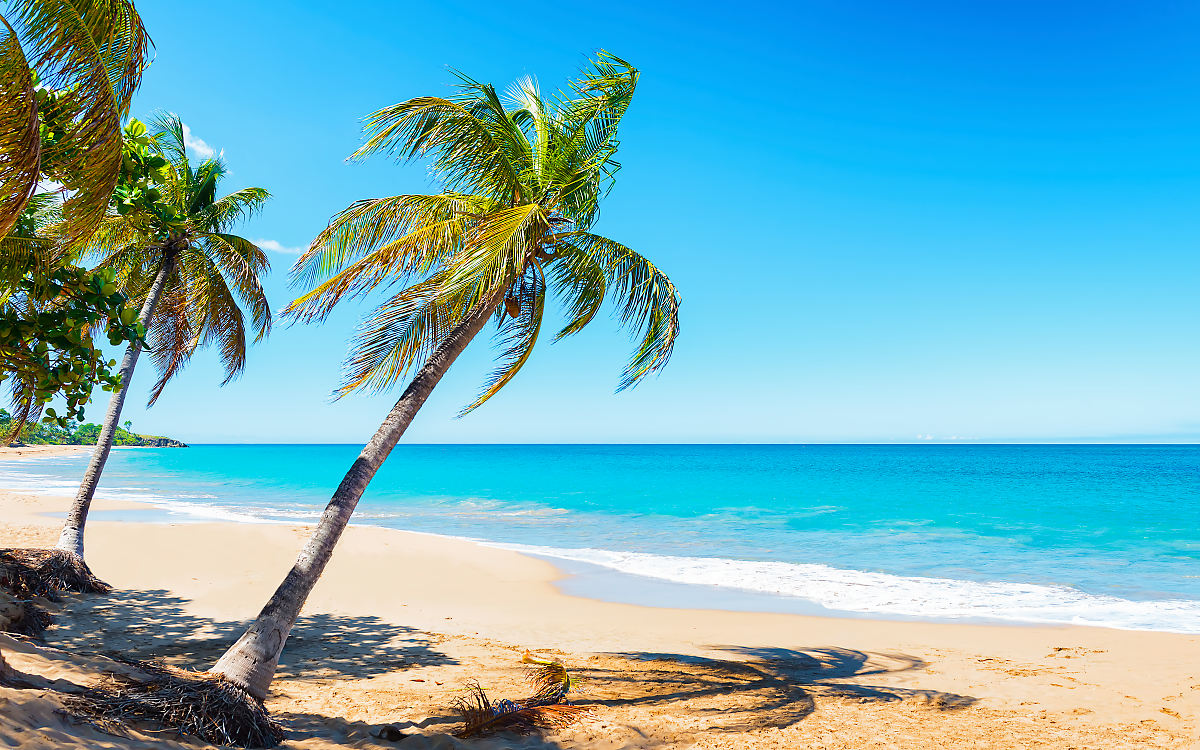
Guadeloupe Overseas Territory
Guadeloupe Overseas Territory
Guadeloupe, a captivating French overseas region in the Caribbean, offers an intoxicating blend of lush rainforests, pristine beaches, vibrant Creole culture and mouthwatering cuisine.
This archipelago—often called the “Butterfly Island” due to the shape of its two main islands—is a dream come true for travelers seeking sun, adventure and unique cultural experiences. In this comprehensive guide, we will explore everything you need to know before visiting Guadeloupe, from its intriguing past to top attractions, cultural insights and practical tips for getting around.
Welcome to Guadeloupe
Nestled among the lesser-known gems of the Caribbean, Guadeloupe enchants visitors with its distinct French-Caribbean character. Here, the rhythms of reggae and zouk fuse seamlessly with French patisseries and towering volcanic peaks give way to white-sand beaches. The archipelago includes five main islands—Basse-Terre, Grande-Terre, Les Saintes, Marie-Galante and La Désirade—each with its own flair. Whether you are drawn to adrenaline-pumping hikes, lounging on secluded shores or sampling flavorful local dishes, Guadeloupe offers an alluring escape that caters to diverse interests.
Why Visit Guadeloupe?
- Pristine Nature: Experience tropical rainforests, waterfalls and coral reefs.
- Vibrant Culture: Savor a rich blend of French, African, Indian and Caribbean heritage.
- Gourmet Cuisine: Enjoy Creole specialties, fresh seafood and world-class rum.
- Adventurous Activities: From snorkeling and scuba diving to volcano hikes, there is something for every thrill-seeker.
History
Guadeloupe boasts a history shaped by indigenous peoples, European explorers and African influences. Prior to European arrival, the Arawaks and Caribs inhabited the islands. In 1493, Christopher Columbus first landed on the archipelago, naming it “Santa María de Guadalupe” after a Spanish monastery. Over time, the French claimed the territory, establishing sugar plantations and bringing enslaved Africans to work in the booming sugar economy.
Throughout the 17th and 18th centuries, control of Guadeloupe shifted between the French and the British, each vying for the island’s valuable sugar resources. In 1946, Guadeloupe became an overseas department of France, meaning that today it benefits from the same rights and status as any region in mainland France. This unique status has helped shape Guadeloupe’s rich cultural tapestry and provided modern infrastructure, while maintaining the archipelago’s distinct Creole identity.
Location
Part of the Lesser Antilles in the Eastern Caribbean, Guadeloupe sits southeast of Puerto Rico and north of Dominica. The archipelago’s two main islands—Basse-Terre to the west and Grande-Terre to the east—form the signature butterfly shape when viewed from above. Basse-Terre is mountainous and volcanic, home to lush national parks and the imposing La Grande Soufrière volcano. In contrast, Grande-Terre features rolling hills, sugarcane fields and postcard-perfect beaches.
Surrounding these main islands are smaller jewels like Les Saintes, a cluster of islets loved for their picturesque bays; Marie-Galante, famous for its sugarcane plantations and rum distilleries; and La Désirade, a tranquil island with rugged limestone cliffs and a laid-back atmosphere. Each destination offers its own distinct landscape and cultural experiences, inviting exploration beyond the main tourist hubs.
Best Time to Visit
Guadeloupe enjoys a tropical climate characterized by warm temperatures year-round and two main seasons:
- Dry Season (December to May): This is the peak travel period, with relatively low humidity, mild temperatures ranging from 75°F to 85°F (24°C to 29°C) and clear, sunny skies. This period is ideal for beach relaxation, outdoor adventures and exploring the islands’ natural beauty.
- Wet Season (June to November): Expect more rainfall and higher humidity levels. While prices tend to be lower and tourist crowds are thinner, travelers should be aware that this is also hurricane season. If you visit during these months, monitor weather forecasts closely and consider travel insurance for peace of mind.
Top Destinations
Guadeloupe’s must-see spots range from wild volcanic landscapes to cultural landmarks rich in history. Here are some of the top destinations and attractions to include on your itinerary:
Basse-Terre Island
- Parc National de la Guadeloupe: Covering a large portion of Basse-Terre, this national park is a hiker’s paradise filled with tropical rainforests, hidden waterfalls and abundant wildlife.
- La Grande Soufrière: The highest peak in the Lesser Antilles at around 1,467 meters (4,813 feet). Brave the hike to the summit for breathtaking views of the surrounding islands and the Caribbean Sea.
- Historic Fort Delgrès: Built in the 17th century, this fort stands as a testament to Guadeloupe’s colonial past and the legacy of resistance against slavery.
Grande-Terre Island
- Pointe de la Grande Vigie: The northernmost tip of Guadeloupe, offering dramatic limestone cliffs and panoramic ocean vistas.
- Sainte-Anne: Known for its crystal-clear lagoon and bustling markets, Sainte-Anne is a lively resort town that offers some of the best beaches on Grande-Terre.
- Pointe-à-Pitre: The largest city and a hub of commercial activity. Explore bustling markets like Marché de la Darse for fresh produce, spices and souvenirs.
Les Saintes
This small archipelago, with its main town Terre-de-Haut, is home to Fort Napoléon, a historical fortress offering stunning views and a fascinating museum. The sheltered bay of Les Saintes is consistently rated among the most beautiful in the world, perfect for swimming and snorkeling.
Marie-Galante
Nicknamed “La Grande Galette” due to its flat terrain and sugarcane fields, Marie-Galante is renowned for its high-quality rum. Tour a rum distillery to learn about traditional production methods or visit the island’s old windmills, remnants of its sugar-producing past.
La Désirade
This remote island is the epitome of tranquility. If you are looking to escape the crowds, you can bask on serene beaches and observe striking cliff landscapes. Keep an eye out for rare flora and fauna protected within its natural reserve.
Historic and Religious Sites
- Cathedral of Saint-Pierre-et-Saint-Paul (Pointe-à-Pitre): Known for its iron framework to withstand earthquakes and hurricanes, this cathedral is both an architectural marvel and a living piece of local heritage.
- Eglise Saint-Michel du Raizet: A significant religious landmark, known for its stunning modern design and cultural importance in the Guadeloupean community.
Activities
Whether you are traveling solo, with friends or bringing the whole family, Guadeloupe promises a variety of activities for travelers of all ages and interests.
- Beach-Hopping: From the calm coves of Sainte-Anne to the turquoise waters of Plage de la Caravelle, each beach offers something different. Children can safely splash around in shallow lagoons, while parents relax under coconut palms.
- Snorkeling and Diving: With an abundance of coral reefs, shipwrecks and marine life, Guadeloupe is a diver’s dream. Sites around Pigeon Island (part of the Cousteau Reserve) are popular for their clear waters and vibrant corals.
- Hiking and Nature Tours: Families can opt for gentle rainforest hikes leading to waterfalls like Chutes du Carbet, while adventure enthusiasts may climb the more challenging trails of La Grande Soufrière.
- Water Sports: Windsurfing, kitesurfing and stand-up paddleboarding are readily available along Grande-Terre’s breezier coasts.
- Creole Music and Dance Classes: Dive into the local culture by learning traditional dance steps or playing percussion instruments. Children often find these interactive experiences especially memorable.
Culture and Heritage
The culture of Guadeloupe is a tapestry woven from French, African, Indian and Caribbean influences. Music is central to local identity, with genres like gwo ka (characterized by percussion and call-and-response singing) and zouk setting the rhythm of local festivals and daily life. The island’s calendar is filled with lively events but Carnival stands out as the highlight—a vibrant pre-Lenten celebration featuring parades, colorful costumes and energetic music that brings the streets to life.
Local Customs and Traditions
- Warm Hospitality: Guadeloupeans are generally friendly and welcoming to visitors. A simple “Bonjour” goes a long way in starting conversations on the right foot.
- Language: French is the official language, though many locals speak Guadeloupean Creole. English is spoken in tourist-friendly areas but learning a few French phrases can enhance your interactions.
- Art and Handicrafts: Be sure to check out local markets for handmade crafts, such as woven baskets, wood carvings and colorful madras fabrics often used for traditional clothing.
Cuisine
One of the highlights of any trip to Guadeloupe is indulging in its bold and aromatic cuisine. Influenced by French culinary techniques, West African spices and Indigenous Caribbean produce, Guadeloupean food is as diverse as it is delicious.
- Colombo: A fragrant curry-like dish made with chicken, goat or fish, and simmered in a blend of turmeric, coriander, cumin and fresh herbs.
- Bokit: A popular street food, the bokit is a deep-fried bread stuffed with ingredients like salted fish, chicken, cheese or vegetables. It is a must-try for anyone seeking an authentic local snack.
- Accras de Morue: These crispy cod fritters are seasoned with herbs and spices, and often served as an appetizer. Dip them in a spicy Creole sauce for an extra kick.
- Ti’ Punch: Not exactly a dish but a quintessential Guadeloupean experience. This punch, made with white rum, cane syrup and lime juice, sets the tone for laid-back island living.
- Fresh Seafood: Whether it is lobster, snapper or conch, the abundance of local seafood ensures your palate stays delighted throughout your stay.
Don’t forget dessert—a slice of flan coco (coconut flan) or tourment d’amour (a sweet coconut tart from Les Saintes) provides the perfect sweet finale to any Guadeloupean meal.
Rum
Rum remains the reigning spirit on the islands. Distillery tours are a popular excursion, and you can pick up premium bottles of locally produced rum to bring home as souvenirs. Experimenting with rum-based cocktails such as Planteur’s Punch or Punch Coco is a delightful way to embrace the local beverage culture.
Getting There
By Air:
- Pôle Caraïbes Airport (PTP) in Pointe-à-Pitre is the main international gateway to Guadeloupe. Major airlines operate direct flights from Paris, while connections from other European cities and North American hubs (like Miami, New York or Montreal) often include a layover.
- If you are traveling from mainland France, a direct flight usually takes about 8 to 9 hours and because Guadeloupe is part of France, there are often competitive airfare deals, especially during off-peak months.
By Cruise:
- Guadeloupe is a popular port of call for Caribbean cruises. Cruise ships typically dock at Pointe-à-Pitre, giving passengers an opportunity to explore the city and nearby attractions for a day.
Entry Requirements:
- As an overseas region of France, Guadeloupe follows European Union visa regulations. EU citizens can enter freely with a valid passport or national ID. Visitors from elsewhere should check visa requirements in advance.
Getting Around
Rental Car
Renting a car is one of the easiest ways to explore Guadeloupe’s diverse landscapes at your own pace. Basse-Terre in particular has winding mountain roads that can be narrow and steep, so drive cautiously. Keep in mind that traffic circulates on the right, just like in mainland France.
Public Transportation
- Bus: There are buses connecting major towns but schedules can be irregular, especially on weekends. They can be cost-effective but may require patience and a flexible itinerary.
- Taxi: Taxis are readily available in larger towns and near hotels. However, they can be expensive for long distances. Always ask for an approximate fare before starting your journey, as most do not use meters.
Ferries
To hop between the islands—such as Les Saintes, Marie-Galante or La Désirade—ferries are a quick and scenic option. Check the timetables in advance, particularly on weekends or public holidays when schedules may be reduced.
This is Guadeloupe
Guadeloupe exudes a laid-back charm that seamlessly combines Caribbean vibrancy with French sophistication. From its majestic volcanic landscapes and verdant national parks to its sun-kissed beaches and lively Creole culture, this archipelago offers a world of experiences for travelers seeking both relaxation and adventure. Dive into crystalline waters one day, wander through a bustling local market the next and savor a plate of spicy Creole cuisine for dinner. Guadeloupe’s unique cultural heritage, spectacular natural beauty and warm hospitality make it an unforgettable destination worth exploring.
Whether you are a first-time visitor or a seasoned Caribbean traveler, Guadeloupe promises discoveries at every turn. Start planning your journey now and let the islands’ spicy flavors, rhythmic beats and turquoise waters inspire you to create your own unforgettable Caribbean escape.