
Jura Wine Region
Jura Wine Region
Nestled between Burgundy and Switzerland, the Jura wine region is one of France’s best-kept secrets.
Renowned for its distinctive wines, scenic vineyards and mouthwatering cuisine, it offers a truly immersive travel experience. Whether you are a wine connoisseur, a foodie or simply a curious traveler, the Jura region promises an unforgettable journey through culture, history and taste.
Welcome to Jura Wine Region
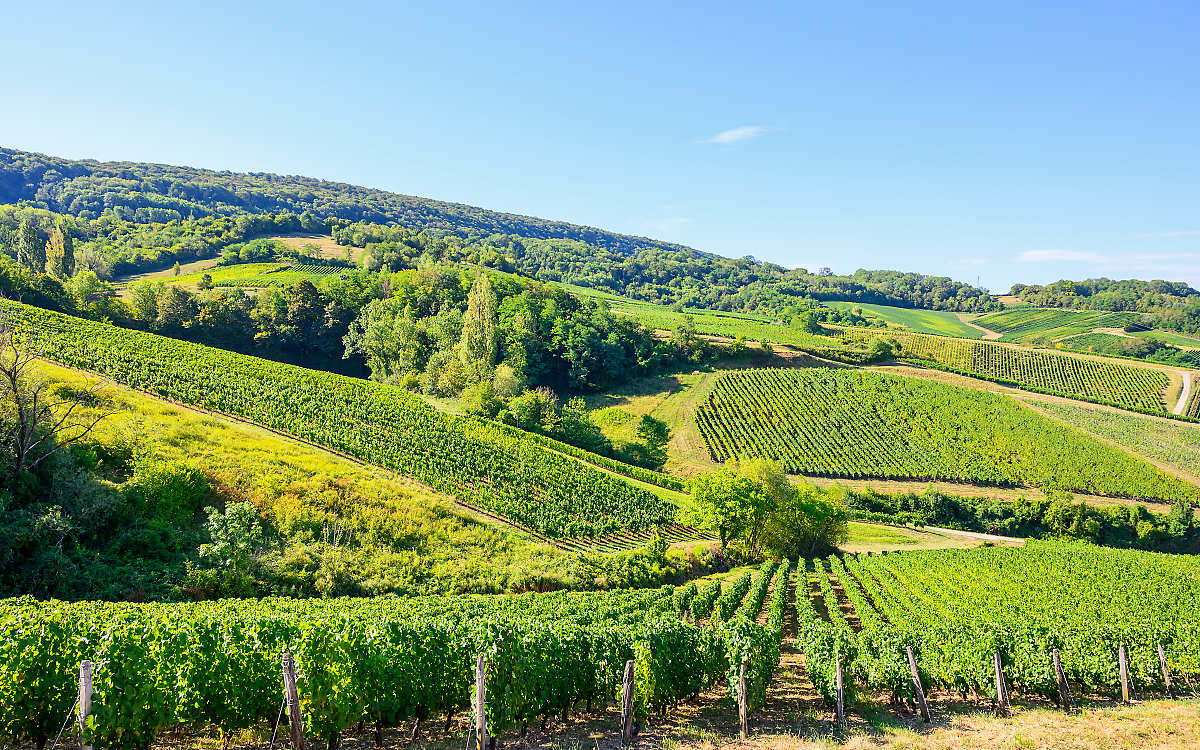
Tiny yet mighty, the Jura wine region captivates visitors with its alpine charm and centuries-old viticultural heritage. While not as widely recognized as Bordeaux or Champagne, the Jura’s unique terroir, exceptional grape varieties and gastronomic delights easily hold their own among France’s more famous wine destinations. Picture rustic villages, rolling vineyard hills, hearty local dishes and of course, glasses of Vin Jaune—the region’s iconic yellow wine—in hand. If you are looking to escape the tourist crowds and discover a new wine frontier, Jura offers the perfect opportunity.
About the Region
The Jura region lies in Eastern France, stretching along the Jura Mountains and bordering Switzerland. Its name is derived from the ancient Celtic word jor, meaning “forest,” a nod to the dense woodlands that once blanketed the area. The historical timeline of Jura’s viticulture dates back to Roman times and by the Middle Ages, winemaking had become a key part of local life. Monasteries played a significant role in cultivating vineyards, giving rise to the early reputation of Jura’s distinct wines.
Over the centuries, the region has faced various challenges, from phylloxera in the late 19th century to economic shifts. Yet today, the Jura is enjoying a renaissance as wine enthusiasts seek out smaller, character-driven appellations. Indeed, many of the region’s top wines remain artisanal, produced by family-owned estates.
Terroir and Climate
Jura’s terroir is defined by limestone and marl soils—particularly the famous “Trias” and “Lias” marls—and a continental climate. Summers are warm, while winters can be harsh with the nearby Alps influencing the weather patterns. These conditions, combined with varied elevations and soil compositions, contribute to the region’s ability to produce wines with exceptional structure, complexity and age-worthiness.
Culture and Traditions
Traditions in Jura reflect a blend of French and Swiss influences, evident in everything from architecture to culinary staples like cheese. The people here have a reputation for warmth and hospitality, often welcoming visitors into their cellars for impromptu tastings. Festivals and events honoring local food and wine are common, showcasing the communal spirit that defines this enclave.
Wine Specialties and Notable Grape Varieties
Signature Wines: Vin Jaune and Beyond
When talking about Jura, Vin Jaune (the “yellow wine”) is the star attraction. Similar to Spain’s Sherry, Vin Jaune is aged under a veil of yeast (known locally as the voile) and develops a nutty, oxidative character unlike any other French wine. Produced exclusively from the Savagnin grape, Vin Jaune is best enjoyed alongside the region’s famous Comté cheese or creamy dishes like chicken with morel mushrooms.
But Vin Jaune is not the only standout. Vin de Paille (straw wine) is another local specialty, crafted from dried grapes that concentrate sugars and flavors, resulting in a lusciously sweet dessert wine.
Grape Varieties
The Jura region cultivates both classic and indigenous grape varieties:
- Savagnin – The star for Vin Jaune, prized for its ability to develop complex oxidative notes.
- Chardonnay – Locally known as Melon d’Arbois, it is the most widely planted grape, producing both fresh, mineral-driven wines and richer, oaked styles.
- Poulsard (Ploussard) – A red grape typical to Jura, yielding pale, delicate red wines with bright acidity and red berry notes.
- Trousseau – Produces deeper-colored red wines with robust tannins, spicy notes and the capacity to age gracefully.
- Pinot Noir – While this Burgundy staple is less common in Jura, it contributes a recognizable elegance when cultivated here.
Tasting Profiles
- Savagnin & Vin Jaune: Walnut, hazelnut, curry-like spice and dried fruit, with a surprising freshness on the finish.
- Chardonnay: From crisp apple and citrus flavors in unoaked versions to rounder, buttery expressions with some oak influence.
- Poulsard: Light-bodied, with notes of fresh strawberries, cherries and a hint of earthiness.
- Trousseau: Deeper, bolder reds with dark fruit flavors, peppery spice and firm tannic structure.
- Pinot Noir: Red cherry, raspberry and subtle earthy undertones, often lighter-bodied compared to Burgundy’s Pinot Noir.
Must-Try Bottles and Wineries
- Château-Chalon AOC: Renowned for age-worthy Vin Jaune made exclusively from Savagnin grapes in the village of Château-Chalon.
- Domaine Jean Macle: Legendary for its Vin Jaune and tradition-bound approach to winemaking.
- Domaine Berthet-Bondet: Combining modern techniques and respect for terroir, famous for both whites and reds.
- Domaine Ganevat: Biodynamic pioneer in the region, known for natural wines with pure expressions of local grapes.
Cuisine
Regional Dishes
Jura is a paradise for cheese lovers, with Comté reigning supreme. This hard, nutty cheese is produced locally and pairs beautifully with Jura’s oxidative whites. Another local favorite is Morbier, recognizable by its thin, dark line of ash through the center. Meat lovers will enjoy Morteau sausage, a smoked delicacy from the nearby Franche-Comté region.
Hearty dishes highlight local wine and produce. Coq au Vin Jaune is a must-try, simmering chicken in Vin Jaune and garnished with earthy morel mushrooms. Another popular dish is Tarte au Comté, a quiche-like creation showcasing the region’s beloved cheese.
Wine and Food Pairings
- Vin Jaune: Pairs excellently with creamy poultry dishes, morel mushrooms and strong cheeses like Comté or mature Gruyère.
- Poulsard: Complements charcuterie, smoked sausages and lighter fare such as grilled fish.
- Trousseau: Holds its own with richer meats, roasted duck or game dishes.
- Vin de Paille: Ideal for dessert courses—think fruit tarts, caramel-based treats or foie gras.
Culinary Hotspots
- Arbois: Considered the heart of Jura wine country, it boasts acclaimed restaurants such as Maison Jeunet, offering modern French cuisine with local twists.
- Poligny: Known as the “Capital of Comté,” a must-visit for cheese tours and tasting workshops.
- Lons-le-Saunier: The regional capital features a lively market, brimming with fresh produce, cheeses and sausages.
Local Products
- Cheese: Comté, Morbier, Mont d’Or (seasonally available).
- Sausages & Cured Meats: Morteau and Montbéliard sausages.
- Honey & Preserves: Jura’s forest and wildflower-laden meadows produce exquisite, aromatic honey varieties.
- Walnuts & Walnut Oil: A crucial ingredient in many local recipes.
Must-See Vineyards and Attractions
Top Vineyards and Wine Estates
- Château-Chalon: A picturesque village perched on a cliff, home to many prestigious Vin Jaune producers. The surrounding vineyards form a stunning panorama overlooking the valley.
- Arbois Vineyards: Surrounding the town of Arbois, these vineyards are among the most historic in Jura, known for producing high-quality Chardonnay and Savagnin.
- Pupillin: A commune famous for Poulsard, often called the “Capital of Ploussard.” A great place to discover lighter red wines.
Cultural and Historical Sites
- Royal Saltworks of Arc-et-Senans: A UNESCO World Heritage site showcasing 18th-century salt production. Not directly tied to wine but a cultural gem worth visiting.
- Salins-les-Bains: Known for its salt mines and the therapeutic spa, it offers an intriguing slice of regional history.
- Dole: The birthplace of Louis Pasteur with a charming old town perfect for leisurely strolls.
Scenic Routes & Natural Landscapes
- Route des Vins du Jura (Jura Wine Route): Spanning about 80 kilometers, it weaves through vineyards, medieval villages and rolling hills. Perfect for a day-long road trip with plenty of wine stops.
- Lakes & Waterfalls: The region features gorgeous waterfalls like Cascades du Hérisson and scenic lakes like Lac de Chalain—ideal for nature lovers or a refreshing break between tastings.
Top Destinations
- Arbois: Known as the “Capital of Jura Wines,” this town offers an atmospheric blend of cobbled streets, wine cellars and gourmet restaurants. Do not miss the Maison Pasteur, the residence of scientist Louis Pasteur.
- Château-Chalon: Besides its wine legacy, this medieval village has stunning vantage points, a historic church and centuries-old stone buildings.
- Baume-les-Messieurs: Famous for its abbey and remarkable natural setting in a blind valley. The Abbaye de Baume-les-Messieurs is a tranquil spot to learn about the region’s monastic past.
- Saint-Claude: Often referred to as the capital of pipes and diamonds, Saint-Claude boasts a beautiful cathedral and a scenic location at the foothills of the Jura Mountains.
Activities
- Wine Tastings & Cellar Tours: Many estates offer guided visits, complete with barrel tastings and scenic vineyard walks. Some even include family-friendly options, such as grape juice tastings for children.
- Cheese-Making Workshops: Discover the art of producing Comté or Morbier. Kids can learn about the process, meet farm animals and sample fresh cheese.
- Hiking & Cycling: With its forested hills, waterfalls and lakes, Jura is ideal for outdoor activities. Family-friendly trails and cycling paths abound, offering opportunities to explore nature without strenuous climbs.
- Caves & Grottos: The region has fascinating geological sites such as the Grottes des Moidons or Grottes de Baume, where families can enjoy guided underground tours.
- Spa & Wellness: Adults can unwind in thermal spas like those in Salins-les-Bains, renowned for their mineral-rich waters.
Events
- La Percée du Vin Jaune (The Tapping of the Yellow Wine): Held annually (typically late January or early February), this festival celebrates the release of the new vintage of Vin Jaune. Expect barrel tapping, tastings and a vibrant parade.
- Les Journées du Patrimoine (European Heritage Days): Takes place every September, offering special access to historical sites, museums and monuments throughout the region.
- Comté Fairs: Various local fairs celebrate the region’s iconic cheese, with tastings, cooking demonstrations and cheesemaking contests.
Best Time to Visit
The Jura region experiences a continental climate with hot summers and cold, snowy winters. Spring (April to June) is excellent for seeing the vineyards in bloom and enjoying moderate temperatures. Summer (July and August) is peak season for outdoor activities but be prepared for occasional heatwaves. Fall (September and October) offers beautiful foliage, harvest celebrations and a chance to taste freshly made wines. Winter (November to February) can be chilly, yet if you are looking to experience the festive atmosphere of La Percée du Vin Jaune or prefer fewer tourists, this is an interesting time to visit.
Getting There
- By Air: The closest international airports are in Geneva, Lyon and Basel-Mulhouse-Freiburg. From there, you can rent a car or take a train.
- By Train: Major French cities like Paris or Lyon offer train connections to cities such as Dole, Lons-le-Saunier and Besançon, which serve as gateways to the region.
- By Car: For the most flexibility, especially if you plan to explore vineyards and smaller villages, renting a car is recommended. The A39 motorway links the region to major routes in France.
Getting Around
- Car Rental: Ideal for exploring at your own pace. Be sure to plan your wine stops responsibly, consider having a designated driver or scheduling guided tours.
- Local Trains & Buses: Some towns in Jura are connected by regional train lines but schedules can be infrequent. Buses offer limited service between key destinations.
- Cycling: The gently rolling hills and scenic vineyard routes make the region perfect for biking, especially during warmer months.
- Guided Tours: Several local operators offer tours that include transportation, wine tastings and visits to cultural sites—convenient if you prefer not to drive.
This is Jura Wine Region
Although often overshadowed by France’s more famous wine regions, Jura is a rare jewel waiting to be discovered. Its distinct terroir, emblematic Vin Jaune and deep-rooted traditions create an incomparable sensory tapestry. Beyond wine, the region’s gastronomic delights, historical landmarks, family-friendly activities and stunning natural landscapes ensure a diverse, enriching travel experience.
From ambling through ancient vineyards in Château-Chalon to indulging in a slice of Comté in Arbois, you will find that Jura’s charm lies in its authenticity. The locals’ pride in their heritage is contagious—whether you are sampling a Poulsard in a rustic cellar or exploring medieval abbeys along winding country roads. If you crave an off-the-beaten-path adventure that combines outstanding wines, remarkable food and captivating culture, start planning your Jura getaway now.
Raise your glass of Vin Jaune and toast to Jura: a region that proves the best discoveries in travel often come in modest, yet utterly memorable, packages.