
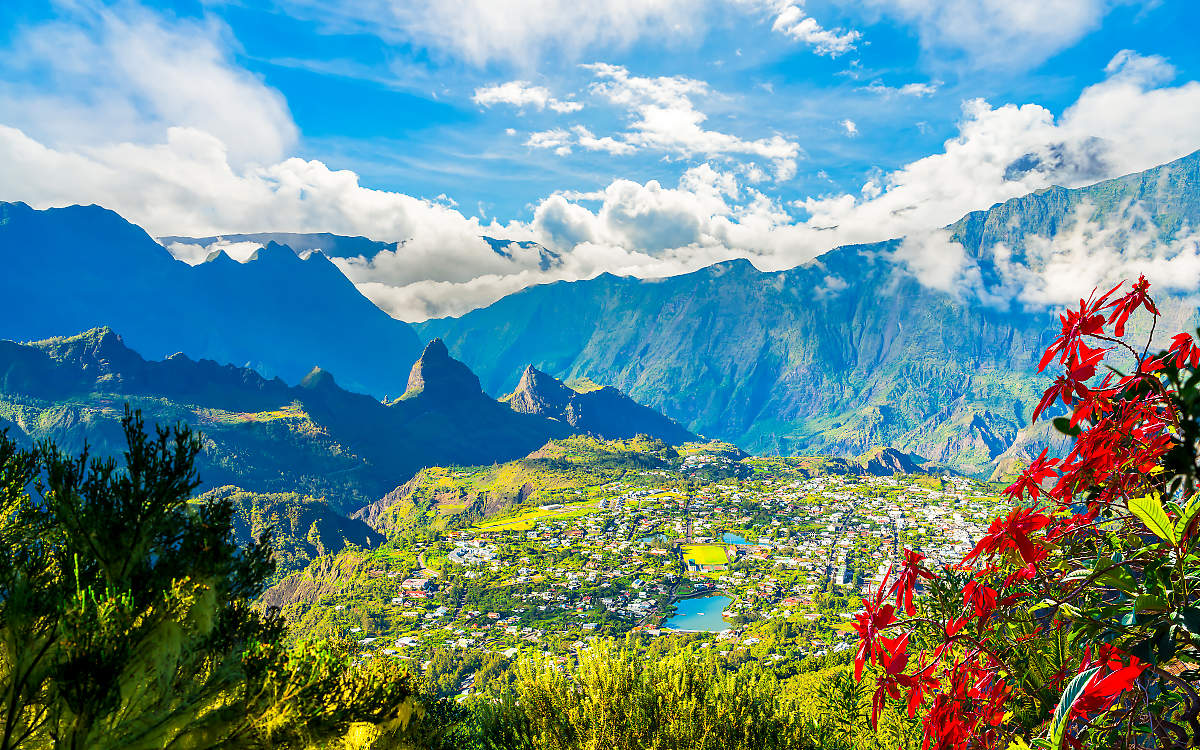
La Réunion Overseas Territory
La Réunion Overseas Territory
La Réunion, an enchanting French overseas region nestled in the heart of the Indian Ocean, is often overshadowed by its more famous neighbor, Mauritius.
However, those who venture here discover a remarkable blend of cultures, diverse landscapes ranging from volcanic peaks to lush forests and a warm Creole spirit. Whether you are craving exhilarating hikes or lazy days on sun-kissed beaches, La Réunion has something to delight every traveler. In this guide, we will explore the island’s history, geography, top attractions, cultural tapestry and practical travel tips to help you plan the ultimate Réunion adventure.
Welcome to La Réunion
Imagine an island where an active volcano coexists with tropical lagoons, dramatic cliff faces give way to sprawling sugarcane fields and cultural influences from Africa, Asia and Europe fuse into one vibrant community. That is La Réunion—an unspoiled paradise that boasts UNESCO-listed natural wonders, mouthwatering Creole cuisine and a laid-back atmosphere. Whether you are planning a family vacation or a solo trek, La Réunion delivers an unforgettable experience full of scenic beauty, welcoming locals and adventure at every turn.
History
La Réunion’s history is a tapestry woven from voyages of exploration, colonial influences and the cultural contributions of diverse communities. Here is a snapshot:
- Discovery and Early Settlement: The island was known to Arab traders as early as the 10th century and appeared on Portuguese maps in the early 16th century. However, it wasn’t until 1642 that the French claimed it as a colony, naming it Bourbon Island.
- Colonial Past: Under French rule, the island became a strategic stopover for ships traveling between Europe and Asia. Sugarcane plantations thrived, bringing in enslaved laborers from Africa, Madagascar and beyond. In the 19th century, indentured workers from India and China arrived to work on plantations.
- Modern Era: After the French Revolution, the island was renamed “La Réunion.” It became an overseas department of France in 1946 and later an overseas region, integrating politically and economically with mainland France while preserving its local Creole identity.
This unique convergence of influences birthed a rich cultural mix that distinguishes La Réunion from any other place in the world.
Location
Situated east of Madagascar and just southwest of Mauritius, La Réunion forms part of the Mascarene Islands in the Indian Ocean. Despite being over 9,000 kilometers from mainland France, it remains an integral part of the French Republic. Its secluded location, characterized by volcanic origins, creates a stunning environment of rugged peaks and breathtaking coastal expanses.
For travelers, reaching La Réunion typically involves flying into Roland Garros Airport (near the capital city of Saint-Denis) or Pierrefonds Airport (in the south). The island’s position means it is surrounded by a marine paradise, ideal for scuba diving and water sports enthusiasts.
Best Time to Visit
La Réunion has a tropical climate with two distinct seasons:
- Hot and Wet (November to April): Temperatures can hover between 25°C and 30°C (77°F–86°F), with high humidity and frequent (sometimes heavy) rainfall. Cyclones are most likely between January and March, so be prepared for potential disruptions if you travel during this time.
- Cool and Dry (May to October): The winter months are milder and drier, ideal for trekking and enjoying outdoor pursuits. Temperatures range from 20°C to 25°C (68°F–77°F), making it comfortable for exploring both coast and mountains.
If hiking and outdoor activities are top priorities, plan your trip during the cooler, drier months (May–October). Beachgoers might still find the hot season enjoyable, provided you keep an eye on cyclone forecasts.
Top Destinations
La Réunion may be relatively small, but it is bursting with must-see sights. From volcanic craters to historic towns, here are the island’s top attractions:
Piton de la Fournaise
One of the world’s most active volcanoes, Piton de la Fournaise dominates the island’s southeastern region. It is a hiker’s paradise, offering trails that wind through lunar-like landscapes of hardened lava fields and lush forests. On clear days, you might catch glimpses of smoke rising from the crater—an awe-inspiring sight.
Cirques of Mafate, Salazie and Cilaos
These three calderas, called cirques, form the island’s rugged interior and are recognized as UNESCO World Heritage Sites. Each cirque offers a unique atmosphere:
- Mafate: Accessible only on foot or by helicopter, perfect for adventurous trekkers seeking solitude.
- Salazie: Famous for its cascading waterfalls and the enchanting village of Hell-Bourg, often hailed as one of France’s most beautiful villages.
- Cilaos: Renowned for thermal springs, panoramic viewpoints and thrilling canyoning spots.
Saint-Denis
Saint-Denis, the capital and largest city, boasts a rich colonial heritage. Wander through the Barachois waterfront, admire Creole mansions along Rue de Paris and immerse yourself in local history at the Léon Dierx Museum of modern art. Saint-Denis also offers bustling markets where you can sample fresh produce and handicrafts.
Saint-Gilles-les-Bains and West Coast Beaches
For sun and surf, head to Saint-Gilles-les-Bains on the island’s west coast. This popular resort area features sandy beaches, coral reefs for snorkeling and a vibrant nightlife scene. The nearby lagoon at L’Hermitage is known for its calm, crystal-clear waters—ideal for families with small children.
Historic and Religious Sites
La Réunion’s multicultural background is reflected in its range of spiritual and historical landmarks:
- Le Grand Marché in Saint-Denis, a historical market turned cultural hub.
- Notre-Dame des Laves in Sainte-Rose, a church partially surrounded by lava flows from Piton de la Fournaise.
- Temple Tamoul Narassigua Péroumal near Saint-Pierre, a colorful Hindu temple illustrating the influence of Indian culture on the island.
- Mosquée Noor-e-Islam in Saint-Denis, showcasing the Islamic heritage brought by Gujarati settlers.
Activities
From extreme sports to family-friendly adventures, La Réunion offers an array of activities:
Hiking and Trekking
With an extensive network of well-marked trails crisscrossing the island, hikers can choose anything from short nature walks to multi-day treks. Popular routes include the Piton des Neiges ascent (the highest peak in the Indian Ocean) and trails around Piton de la Fournaise.
Canyoning and Waterfalls
La Réunion’s dramatic gorges and waterfalls are perfect for canyoning—an activity that combines rappelling, jumping and swimming. Cilaos and Salazie are hotspots for guided canyoning tours that cater to different skill levels.
Water Sports
- Snorkeling and Diving: The west coast’s coral reefs, especially around Saint-Gilles and L’Hermitage, teem with marine life.
- Surfing: Although shark safety measures are in place, the island has spots like Saint-Leu that attract experienced surfers.
- Kiteboarding and Windsurfing: Coastal towns, especially on the southwestern side, offer excellent wind conditions.
Family-Friendly Activities
For families, consider visits to Croc Parc (a crocodile and giant tortoise park), the Kelonia Marine Turtle Observatory or take a glass-bottom boat tour to see colorful fish without getting wet. Many of the island’s waterfalls and shorter trails are also child-friendly.
Helicopter Tours
If you want an unforgettable view of the island’s rugged landscapes, book a helicopter tour. Flying over the cirques, waterfalls and volcanic craters is a highlight for many travelers.
Culture and Heritage
La Réunion’s culture is a melting pot shaped by African, Malagasy, Indian, Chinese and European influences. As you explore, you will notice:
- Music and Dance: Séga and Maloya are the island’s traditional music genres, combining African percussion with Creole storytelling. Maloya, in particular, was once forbidden due to its roots in slave culture but is now celebrated as a symbol of Réunionese identity.
- Languages: French is the official language, but Réunion Creole (Kréol Réyoné) is widely spoken in everyday life, reflecting the island’s diverse heritage.
- Festivals and Events: Look out for Hindu temple festivals, Chinese New Year celebrations and Christian events all embraced with equal fervor. Bastille Day (14th July) is also observed, showcasing the island’s French ties.
Cuisine
If you are a food lover, La Réunion will leave a lasting impression on your taste buds. Its cuisine blends influences from Africa, Asia and Europe into mouthwatering dishes. Must-try specialties include:
- Cari (Curry): Often made with meat, fish or seafood and simmered in a flavorful sauce with turmeric, onions, garlic and tomatoes. It is served with rice and zesty condiments like rougail (a spicy relish).
- Rougail Saucisse: A spicy sausage stew that is a comfort food favorite among locals.
- Bouchons: Steamed dumplings filled with minced meat or fish, reflecting the island’s Chinese heritage.
- Samoussas: Similar to Indian samosas, these crispy triangular pastries come with spicy fillings like chicken, beef or vegetables.
- Exotic Fruits: Indulge in fresh mangoes, lychees, passion fruits and Victoria pineapples known for their sweetness.
For a truly local meal, visit a small roadside eatery or market stall, where the dishes are prepared according to age-old recipes.
Rum
Rum remains the island’s most iconic beverage. Don’t miss a chance to try rhum arrangé, a local specialty infused with fruits and spices—perfect as a digestif.
Getting There
Most international flights arrive at Roland Garros Airport (RUN) in Saint-Denis. Major airlines connect Réunion with hubs in Paris and select cities in Europe, Africa and the Indian Ocean region. If you are coming from nearby islands, such as Mauritius or Madagascar, short inter-island flights are also available.
- From Europe: Direct flights from Paris take approximately 11 hours.
- From Mauritius: A quick one-hour flight can land you on the island.
Entry Requirements: As an overseas region of France, entry requirements are generally the same as mainland France. EU citizens can travel freely, while others should check visa requirements in advance.
Getting Around
Once you have arrived, you will find several convenient ways to explore the island:
- Car Rental: Renting a car gives you the freedom to explore at your own pace. Roads are well-maintained, though mountainous routes can be winding and narrow. Reserve a car in advance, especially during peak seasons.
- Public Buses (Car Jaune): The regional bus network, known as Car Jaune, connects most major towns. Fares are affordable, but schedules might be less frequent in remote areas.
- Taxis and Rideshares: Taxis are available in larger towns, but can be pricey for longer distances. Rideshare apps are less common but slowly gaining traction.
- Guided Tours: For activities like volcano hikes or canyoning, consider joining a guided tour to benefit from local expertise and hassle-free logistics.
- Helicopter and Light Aircraft: Perfect for short scenic flights over the island. Though expensive, these tours provide an unmatched bird’s-eye view of La Réunion’s dramatic landscapes.
This is La Réunion
La Réunion is a destination that blends the comforts of French infrastructure with the raw beauty of an untouched tropical paradise. From trekking through volcanic craters to savoring a plate of fragrant cari, every experience here invites you to immerse yourself in nature, culture and the art of living well.
Whether you are an adventure junkie, a beach lover or a culture enthusiast, this island has everything you need for a memorable escape. The warm Creole spirit will make you feel at home, while the extraordinary scenery and vibrant traditions will remind you that you have truly traveled off the beaten path. Pack your hiking boots, appetite and sense of wonder—La Réunion awaits with open arms.