
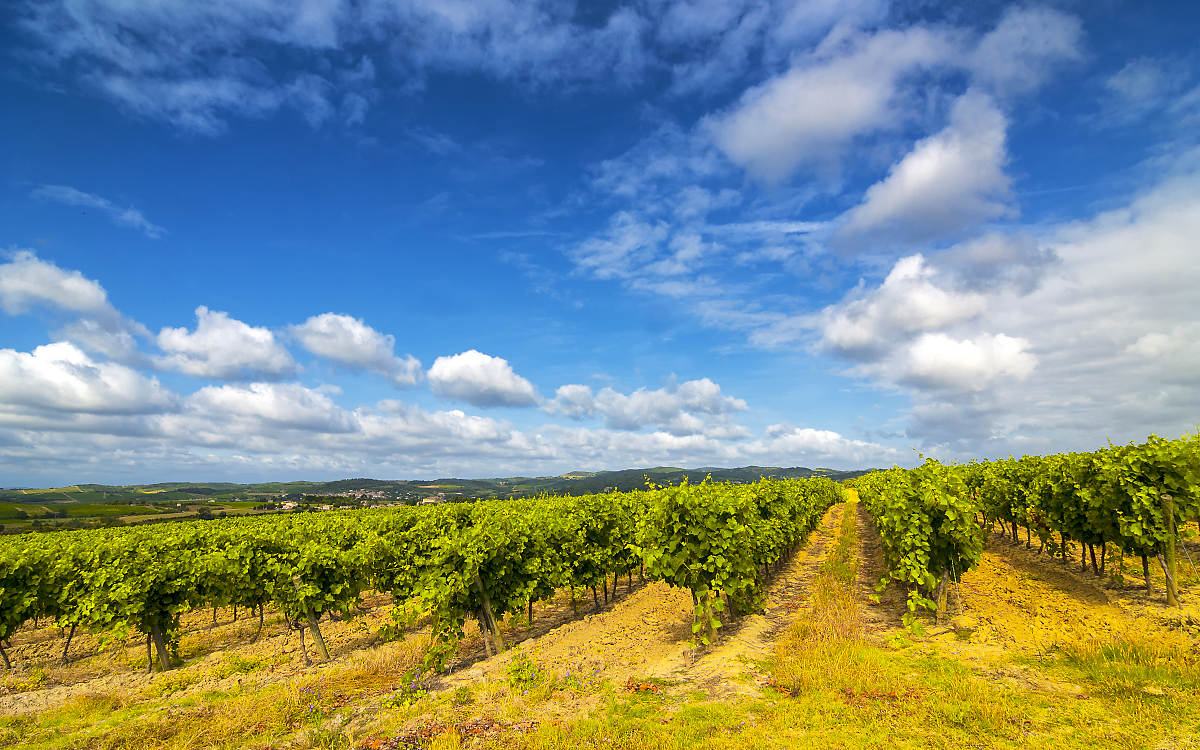
Southwest France (Sud-Ouest) Wine Region
Southwest France (Sud-Ouest) Wine Region
When you think of French wine regions, you might initially picture Bordeaux or Burgundy.
However, Southwest France (known locally as Sud-Ouest) is a hidden gem where breathtaking landscapes, exquisite wines and mouthwatering cuisine come together to create an unforgettable travel experience.
This sprawling region offers a diverse range of terroirs, from the rolling hills of Gascony to the picturesque vineyards of Cahors. Whether you are a wine connoisseur, a foodie or simply a curious traveler, Southwest France deserves a spot at the top of your travel bucket list.
Welcome to Southwest France (Sud-Ouest) Wine Region
Southwest France is a mosaic of cultures, climates and culinary influences. Geographically, the region extends roughly from the Atlantic coast near the city of Bayonne through the foothills of the Pyrenees and up toward the river valleys near Toulouse. Thanks to its moderate climate, fertile soils and long winemaking tradition, Sud-Ouest has grown into a dynamic destination for travelers who seek authentic French experiences without the heavy tourist traffic found in more famous regions.
In addition to its vineyards, Southwest France is home to historic churches, medieval bastides (fortified towns) and majestic châteaux that dot the countryside. Gastronomy here is legendary: duck confit, foie gras and hearty cassoulet pair seamlessly with robust reds and aromatic whites. From relaxed vineyard tours to adventurous outdoor activities, there is something for every type of traveler.
About the Region
Southwest France spans a diverse area. Some sub-regions include:
- Gascony: Known for Armagnac brandy, rolling green hills and charming villages.
- Cahors: Famous for its inky-black Malbec wines, perched along the Lot River.
- Madiran: Home to powerful, tannic red wines made predominantly from the Tannat grape.
- Jurançon: Nestled near the Pyrenees, producing distinctive sweet and dry white wines from Gros and Petit Manseng.
- Gaillac: One of the oldest wine regions in France, boasting a range of red and white varieties.
Historically, these areas developed independently due to natural barriers like rivers and mountains. Each sub-region preserved its own dialects, traditions and unique viticultural methods. Because of this, you will encounter an exciting tapestry of cultures, cuisines and wine styles when traveling through Sud-Ouest.
Terroir and Climate
The terroir in Southwest France benefits from a mix of Atlantic, Mediterranean and mountainous influences. Vineyards near the Atlantic coast enjoy mild temperatures and ample rainfall while those closer to the Pyrenees experience cooler nights that help concentrate the flavors in the grapes. The diverse soil compositions—ranging from clay-limestone in Cahors to gravelly or sandstone soils in Madiran—also play a crucial role in shaping the distinct personalities of Sud-Ouest wines.
Culture and Traditions
Rural traditions remain strong in Southwest France. Farmers’ markets abound, showcasing local cheeses, cured meats and seasonal produce. Village festivals celebrate everything from wine harvests to age-old religious customs. The local pace of life tends to be relaxed, reflecting the region’s deep-rooted connection to the land. If you enjoy immersive cultural experiences, you will find plenty of opportunities to participate in folk dances, village fêtes and harvest gatherings.
Wine Specialties and Notable Grape Varieties
Signature Wines
- Cahors AOC: Nicknamed “the Black Wine,” this Malbec-based red is known for its robust tannins and dark fruit flavors.
- Gaillac AOC: Produces a broad spectrum of wines—sparkling, red, white and rosé—due to its varied microclimates.
- Madiran AOC: Famous for Tannat grapes, yielding intense, age-worthy reds that pair well with hearty meat dishes.
- Jurançon AOC: Renowned for sweet (moelleux) and dry (sec) white wines made from Gros and Petit Manseng grapes.
- Fronton AOC: Near Toulouse, specializing in Negrette-based red and rosé wines characterized by spicy and floral notes.
Grape Varieties
- Malbec (Côt): Originating from Cahors, this grape is also celebrated in Argentina. In France, Malbec wines tend to be more structured and less fruit-forward, often featuring notes of black plum and violets.
- Tannat: A deeply colored grape found predominantly in Madiran. It brings firm tannins, requiring barrel aging to soften into a velvety red.
- Manseng (Gros & Petit): Key to Jurançon wines, offering distinctive tropical fruit, honey and floral aromas—particularly when made into sweet dessert wines.
- Negrette: Nearly exclusive to Fronton, producing medium-bodied reds with berry and peppery undertones.
- Duras, Fer Servadou, Prunelard: Lesser-known local varieties that contribute to the complexity and uniqueness of Sud-Ouest blends.
Tasting Profiles
Expect a range of flavors:
- Reds: Often robust and full-bodied, with notes of dark berries, spice and earthy undertones. They can be tannic when young but age remarkably well.
- Whites: Crisp and aromatic, occasionally with honeyed sweetness in dessert styles. Fresh acidity makes many of them perfect for pairing with local fare.
- Rosés: Light and fruity, particularly the rosés from Fronton which can also display subtle floral elements.
- Sparkling: Gaillac’s traditional method sparkling wines can be lively with a refreshing fizz, perfect for aperitifs.
Must-Try Bottles and Wineries
- Château du Cèdre (Cahors): Known for producing high-quality Malbec with great aging potential.
- Domaine Cauhapé (Jurançon): Specializes in elegant sweet and dry wines from Petit Manseng grapes.
- Château Montus (Madiran): Iconic for championing the Tannat grape and creating age-worthy reds.
- Plageoles (Gaillac): Explores heritage grape varieties like Mauzac and Ondenc, offering distinctive flavors.
Cuisine
Regional Dishes
- Foie Gras: A French delicacy made from the liver of a duck or goose. Southwest France is famous for some of the best foie gras in the country.
- Duck Confit (Confit de Canard): Duck legs slow-cooked in their own fat, resulting in exceptionally tender and flavorsome meat.
- Cassoulet: A hearty stew made with white beans, sausage and duck or pork. Originally from Toulouse, it is a signature dish throughout the Sud-Ouest.
- Garbure: A comforting cabbage and bean soup with pork, a staple in the Pyrenean foothills.
- Cheeses: From Ossau-Iraty in the Basque region to Roquefort near the Aveyron gorge, cheese lovers will relish the variety.
Wine and Food Pairings
- Cahors Malbec & Duck Confit: Rich tannins and dark fruit flavors cut through the duck’s savory fat.
- Madiran Tannat & Cassoulet: The robust structure stands up to cassoulet’s hearty beans and meats.
- Jurançon Sweet Wine & Foie Gras: The luscious sweetness complements the rich texture of foie gras.
- Dry Gaillac White & Fish Dishes: Crisp acidity pairs nicely with river fish or seafood from nearby Atlantic waters.
Culinary Hotspots
Cities like Toulouse, Albi and Cahors host vibrant food scenes with numerous bistros, wine bars and Michelin-starred restaurants. Smaller towns often feature quaint inns serving traditional fare. Do not miss the bustling covered markets in places like Montauban or Toulouse where you can sample local breads, pastries and artisanal products.
Local Products
- Armagnac: The region’s famed brandy, distilled from local white grapes, often aged in oak barrels for a silky finish.
- Walnuts & Prunes: Especially around Agen and the Lot Valley where prunes are known for their sweet, concentrated flavor.
- Espelette Pepper (Piment d’Espelette): A mild chili pepper used in Basque cooking, adding a subtle spicy kick.
Must-See Vineyards and Attractions
Top Vineyards and Wine Estates
- Château de Mercuès (Cahors): A stunning 13th-century castle offering winery tours, tastings and luxury accommodations.
- Château Feuillet (Madiran): Family-run estate with guided vineyard walks and cellars that showcase the Tannat grape’s evolution.
- Clos Lapeyre (Jurançon): A scenic estate near Pau with panoramic views of the Pyrenees and tastings of sweet Jurançon wines.
Cultural and Historical Sites
- Saint-Cirq-Lapopie (Lot Valley): A medieval cliffside village, often considered one of France’s most beautiful.
- Albi: Home to the UNESCO-listed Cathédrale Sainte-Cécile and the Toulouse-Lautrec Museum.
- Rocamadour: A clifftop pilgrimage site known for its sacred shrines and breathtaking views.
- Moissac Abbey: Famed for its Romanesque cloisters, an essential stop for art and architecture enthusiasts.
Scenic Routes and Natural Landscapes
- Gorges of Aveyron: A paradise for hiking, canoeing and photographing dramatic canyon vistas.
- Pyrenees Foothills: Great for day trips, offering outdoor pursuits such as mountain biking and scenic drives.
- Lot River Valley: Perfect for leisurely boat rides or picnics along the riverbanks where vineyards flourish in the background.
Top Destinations
- Lourdes: Known worldwide as a significant Catholic pilgrimage site with the Grotto of Massabielle and numerous basilicas.
- Toulouse: The “Pink City” (La Ville Rose) boasts rose-brick architecture, the famous Place du Capitole and a dynamic cultural life.
- Auch (Gascony): Home to a remarkable cathedral and a statue of d’Artagnan, the beloved character from The Three Musketeers, who hailed from this region.
- La Romieu: A quaint village with a breathtaking collegiate church, listed as a UNESCO World Heritage site related to the pilgrimage route of Santiago de Compostela.
Activities
- Wine Tours & Tastings: Many estates offer guided tours that are both educational and family-friendly with non-alcoholic grape juices for children.
- Boat Rides on the Lot River: Glide past medieval villages and vineyards, spotting wildlife along the way.
- Cycling & Hiking: Numerous well-marked trails suit a range of fitness levels from casual walkers to serious trekkers.
- Cooking Classes: Learn to make local specialties like cassoulet or duck confit in friendly workshops.
- Museums & Art Galleries: Albi’s Toulouse-Lautrec Museum is a must-visit for art lovers while the Museum of Foie Gras in Souleilles introduces families to regional gastronomic heritage.
- Outdoor Adventures in the Pyrenees: Summer activities include rafting and canyoning while winter brings skiing opportunities in nearby resorts.
Events
- Jazz In Marciac (Late July – Mid-August): One of Europe’s biggest jazz festivals, attracting renowned international artists.
- Fête des Vendanges (Harvest Festivals): Celebrated across the region in early autumn, featuring grape-picking demonstrations, wine tastings and village feasts.
- Foie Gras Festivals: Held in towns like Samatan and Gimont, offering workshops, cooking competitions and live music.
- Carnaval Biarnés (Late Winter in Pau): A Basque and Béarnais carnival blending ancient traditions and modern festivities.
- Fêtes de Bayonne (Late July): While technically in the Basque region, it is on the southwestern tip and is one of France’s largest and liveliest festivals.
Best Time to Visit
Southwest France enjoys a temperate climate with warm summers and relatively mild winters. Average summer temperatures range from 24°C to 30°C (75°F – 86°F), making it ideal for outdoor activities and vineyard visits. Spring and autumn are pleasant, with fewer crowds, moderate temperatures and vibrant landscapes—perfect for sightseeing and wine tours.
- Spring (April–June): Lush vineyards and blossoming flowers, moderate rainfall.
- Summer (July–August): Peak tourist season; book accommodations and wine tours in advance.
- Autumn (September–October): Harvest season with mild days and cool nights—an exciting time to witness winemaking in action.
- Winter (November–March): Quieter, some wineries reduce hours but Christmas markets and mild weather can offer a cozy atmosphere.
Getting There
- By Air: Major airports in Toulouse and Bordeaux serve international and domestic flights. Pau and Tarbes-Lourdes also have smaller airports.
- By Train: High-speed TGV trains connect Paris to Bordeaux or Toulouse. From there, regional trains or local buses can help you reach smaller towns.
- By Car: Renting a car provides the most flexibility, allowing you to explore remote vineyards and charming villages off the beaten path.
- By Bus: Long-distance bus services (e.g., FlixBus, BlaBlaCar Bus) connect major French cities with Southwest France’s larger towns.
Getting Around
- Car Rental: Highly recommended for travelers wanting to explore vineyards and countryside villages at their own pace.
- Regional Trains: SNCF’s regional services connect key towns like Cahors, Albi and Agen, though schedules may be limited.
- Guided Tours: Wine tour companies often handle transport between vineyards, making it hassle-free to sip and savor.
- Cycling: Eco-friendly and perfect for scenic routes along river valleys. Many towns have bike rentals or e-bike options.
- Local Buses: Adequate for short distances between nearby towns but less frequent in rural areas.
This is Southwest France (Sud-Ouest) Wine Region
Southwest France (Sud-Ouest) is a destination that caters to wine lovers, foodies, history buffs and nature enthusiasts. Its rich cultural mosaic, shaped by centuries of winemaking, culinary traditions and local festivals, offers a more laid-back and authentic experience than some of the better-known regions of France. Whether you are sipping on a glass of Malbec in a 13th-century château, sampling foie gras at a farmers’ market or hiking through the stunning Pyrenees foothills, you will discover that Sud-Ouest offers a truly unique slice of French life.
With its mild climate, exceptional gastronomy and diverse landscapes, Southwest France invites you to slow down and savor the moment. Take time to explore the medieval towns, taste the local specialties and meet the passionate vignerons (winemakers) who keep these centuries-old traditions alive. Once you have experienced the warm hospitality and extraordinary flavors of Sud-Ouest, you might just find yourself returning year after year, eager to uncover more hidden gems in this enchanting corner of France.