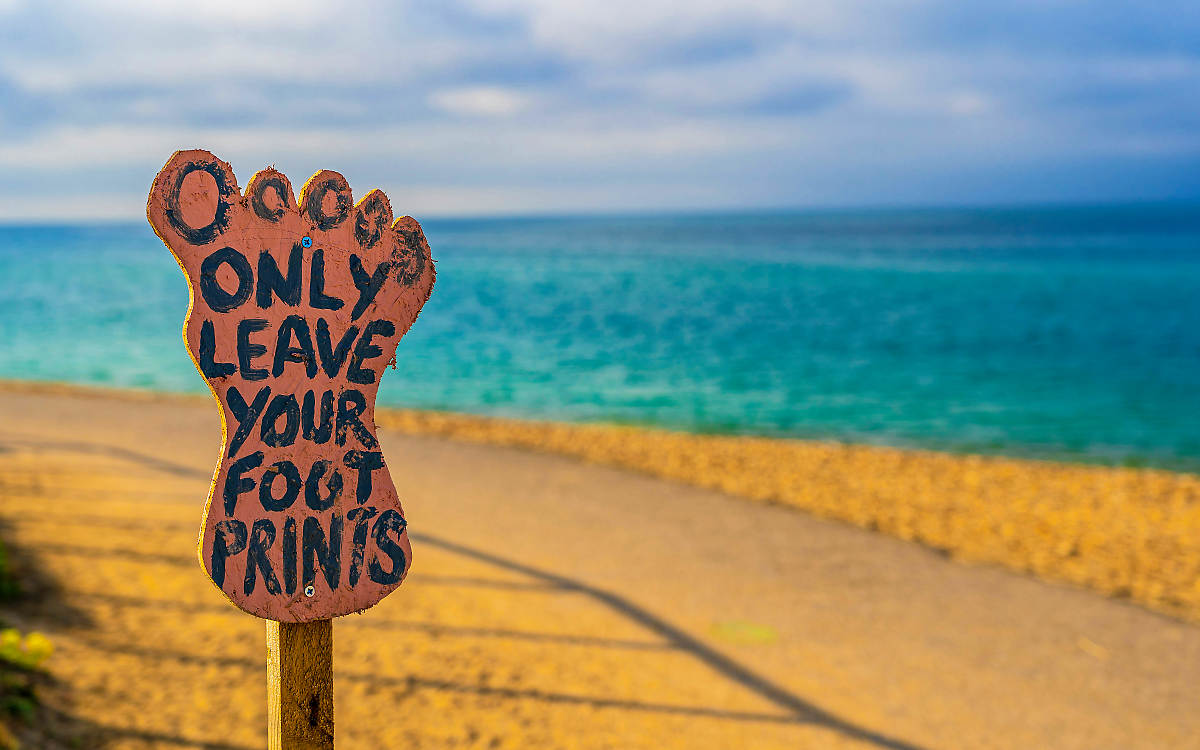
Image Credit: Nick Fewings
France is a land of rich history, stunning landscapes, and world-famous cuisine.
It’s also taking bold steps to protect its environment and encourage sustainable living. Whether you’re a first-time traveler or an expat settling in, practicing eco-friendly habits while discovering the wonders of France can significantly reduce your impact on the planet. In this post, we’ll explore actionable tips for sustainable travel, dining, and day-to-day living, ensuring your French experience remains both memorable and environmentally conscious.
Understanding Sustainability in France
A Growing Movement
France has steadily embraced sustainability across multiple sectors-transportation, urban development, agriculture, and more. From Parisian street-level composting to coastal eco-reserves in Brittany, environmental awareness is woven into many aspects of French life. The government’s commitment to reducing carbon emissions and preserving its natural spaces has spurred businesses, communities, and individuals to adopt greener lifestyles.
Key Environmental Goals
- Reducing Greenhouse Gases: France aims to reach carbon neutrality by 2050. Stricter emissions standards and incentives for electric vehicles form part of this drive.
- Transition to Renewable Energy: Expanding solar farms, harnessing wind power, and promoting hydroelectricity play a big role in the country’s renewable energy plan.
- Biodiversity Conservation: Through initiatives like the French Biodiversity Agency, efforts to protect endangered species and restore habitats continue to evolve.
Eco-Friendly Travel Tips
Sustainability begins before you even set foot in France. Planning your trip thoughtfully and making eco-conscious choices can help reduce the environmental impact of your travels.
Choose Greener Transportation
- Train Travel: The French rail network (SNCF) connects major cities and rural areas alike, offering a comfortable and scenic journey. High-speed TGV trains can whisk you from Paris to Marseille in just three hours, producing significantly fewer carbon emissions compared to air travel.
- Car-Sharing & Electric Cars: If you need a car, consider services like BlaBlaCar, where you can share rides and split costs. Alternatively, rent an electric or hybrid vehicle, especially in larger cities where charging stations are more common.
- Public Transportation: Metro systems in cities like Paris, Lyon, and Toulouse are efficient and widely used. Buses and trams also make it easy to get around while minimizing your footprint.
Stay in Eco-Conscious Accommodations
- Eco-Certified Hotels: Look for labels such as Green Key, EU Ecolabel, or the Clef Verte certification, which indicate hotels that meet strict eco-friendly standards (e.g., water conservation, renewable energy usage).
- Sustainable Home Rentals: Platforms like Gîtes de France and certain Airbnb listings can provide an eco-friendly stay, especially if they advertise solar panels, waste recycling programs, or local produce sourcing.
- Rural Eco-Lodges: For a more immersive experience in nature, eco-lodges often provide composting toilets, organic gardens, and renewable energy solutions. These quieter getaways also contribute to local communities and economies.
Pack Light & Smart
- Reusable Essentials: Bring a refillable water bottle, reusable shopping bags, and travel cutlery to reduce single-use plastics.
- Capsule Wardrobe: Choose versatile clothing items that can be layered, reducing your luggage weight-and in turn, your transportation’s carbon emissions.
- Eco-Conscious Toiletries: Opt for solid shampoo bars, bamboo toothbrushes, and plastic-free toiletry containers. They’re easier to pack and kinder to the environment.
Embracing Sustainable French Cuisine
French gastronomy is world-famous, but it doesn’t have to come at a cost to the planet. Here’s how to indulge responsibly:
Eat Local and Seasonal
- Farmers’ Markets: Cities and towns across France host weekly markets where local producers sell fresh fruit, vegetables, cheese, and more. By shopping here, you support regional farmers who practice sustainable methods and reduce the carbon footprint associated with long-distance transport.
- Regional Specialties: Dive into local dishes unique to specific regions-like socca in Nice or Breton galettes-often prepared with locally sourced ingredients. This approach encourages farmers to grow traditional crops with minimal pesticide use.
Choose Organic and Fair-Trade
- Organic Labels: Look for the “AB” (Agriculture Biologique) or the Euro-leaf logo, both denoting products made with at least 95% organic ingredients, minimal pesticides, and environmentally friendly practices.
- Fair-Trade Products: Many French supermarkets carry fair-trade coffee, chocolate, and tea. Checking the label supports ethical production and better living conditions for farmers in developing countries.
Reduce Food Waste
- Portion Awareness: French dining often embraces quality over quantity. Practice mindful eating, and if you’re satisfied before finishing, consider politely asking for a “doggy bag” (le doggy bag), which is becoming more accepted in France.
- Zero-Waste Apps: Services like Too Good To Go connect users with restaurants, bakeries, and supermarkets offering leftover produce and meals at discounted prices rather than throwing them away.
Sustainable Living Habits in France
Whether you’re moving to France or extending your stay, incorporating everyday habits that respect the environment can make a significant difference.
Responsible Waste Management
- Sorting & Recycling: In many French municipalities, recycling bins come color-coded: yellow for recyclable packaging, green for glass, and gray for general waste. Some areas also offer compost bins for organic waste. Familiarize yourself with local guidelines to recycle correctly.
- Plastic Reduction: Bring your own containers and bags to markets and shops. Many supermarkets have bulk sections where you can refill dry goods to avoid excess packaging.
Energy Efficiency
- Switch to LED Bulbs: LEDs are more energy-efficient and have a longer lifespan than traditional bulbs.
- Insulation: If you rent or own a home, consider improving insulation to reduce heating costs in winter and maintain comfortable indoor temperatures during hot summers.
- Monitoring Electricity: Many residences are equipped with smart meters to track consumption. Keep an eye on your usage, turning off lights and electronics when not in use.
Water Conservation
- Shorter Showers: France, like many countries, faces droughts and water shortages at times. Minimizing shower time can save a substantial amount of water.
- Fix Leaks Promptly: A small leak can waste liters of water daily. Report plumbing issues to your landlord or fix them promptly if you own your residence.
- Efficient Dishwashing: If you have a dishwasher, run it only with a full load. Hand-washing dishes in a basin instead of under a running tap also cuts down on water waste.
Engaging with Local Environmental Initiatives
Eco-Volunteer Projects
Many organizations across France welcome volunteers for projects like tree planting, beach cleanups, and community gardening. For instance, Surfrider Foundation Europe organizes coastal cleanup events along the Atlantic and Mediterranean coasts, inviting locals and visitors to protect marine ecosystems.
Community Supported Agriculture (CSA)
Known as AMAP (Association pour le Maintien d’une Agriculture Paysanne) in France, CSAs connect consumers directly with farmers. Members subscribe to weekly produce boxes, supporting local farms financially and receiving fresh, seasonal products in return. This direct relationship fosters sustainable agricultural methods and reduces waste.
Local Green Groups
Larger cities often have local green associations-like Zero Waste Paris or Zero Waste Lyon-that host workshops, talks, and clean-up events. Getting involved is a great way to make friends, learn French, and deepen your sustainability knowledge.
Responsible Tourism and Cultural Respect
While traveling through France, it’s essential to respect not only the environment but also the cultural norms and local communities:
- Cultural Etiquette: Learning a few French phrases (like “Bonjour,” “Merci,” “S’il vous plaît”) can go a long way in showing respect.
- Leave No Trace: Whether you’re hiking the Alps, strolling through vineyards in Bordeaux, or relaxing on a Mediterranean beach, always pick up after yourself.
- Support Local Businesses: Instead of buying souvenirs from large chain stores, opt for locally made crafts, artisanal products, and small-scale vendors. Your money supports the local economy and often sustains centuries-old traditions.
Enjoying France Sustainably: An Ongoing Journey
Adopting eco-friendly travel and living habits is more than just a trend; it’s an ongoing commitment to protecting the planet’s natural treasures. France offers an excellent environment to practice sustainable living, thanks to its comprehensive public transportation, thriving organic food sector, and growing emphasis on green initiatives. By making small yet meaningful changes-like riding the TGV, dining at organic bistros, or volunteering in coastal cleanups-you can significantly reduce your environmental footprint while savoring the best this beautiful country has to offer.
Remember, embracing sustainability is a journey that transcends borders. The eco-friendly habits you learn in France can easily become lifelong practices that benefit not just your travels, but your entire way of life. Bon voyage, and may your green exploration of France be both inspiring and transformative!
Explore France
Sustainable living in France doesn’t have to be overwhelming. By taking simple, practical steps-choosing low-impact transportation, exploring local markets, reducing plastic use, and engaging with community projects-you’ll find that eco-conscious travel and living enrich your experience of French culture.
Whether you’re staying for a short holiday or settling down for the long term, each green choice you make contributes to preserving this magnificent country for generations to come.