
Image Credit: Jez Timms
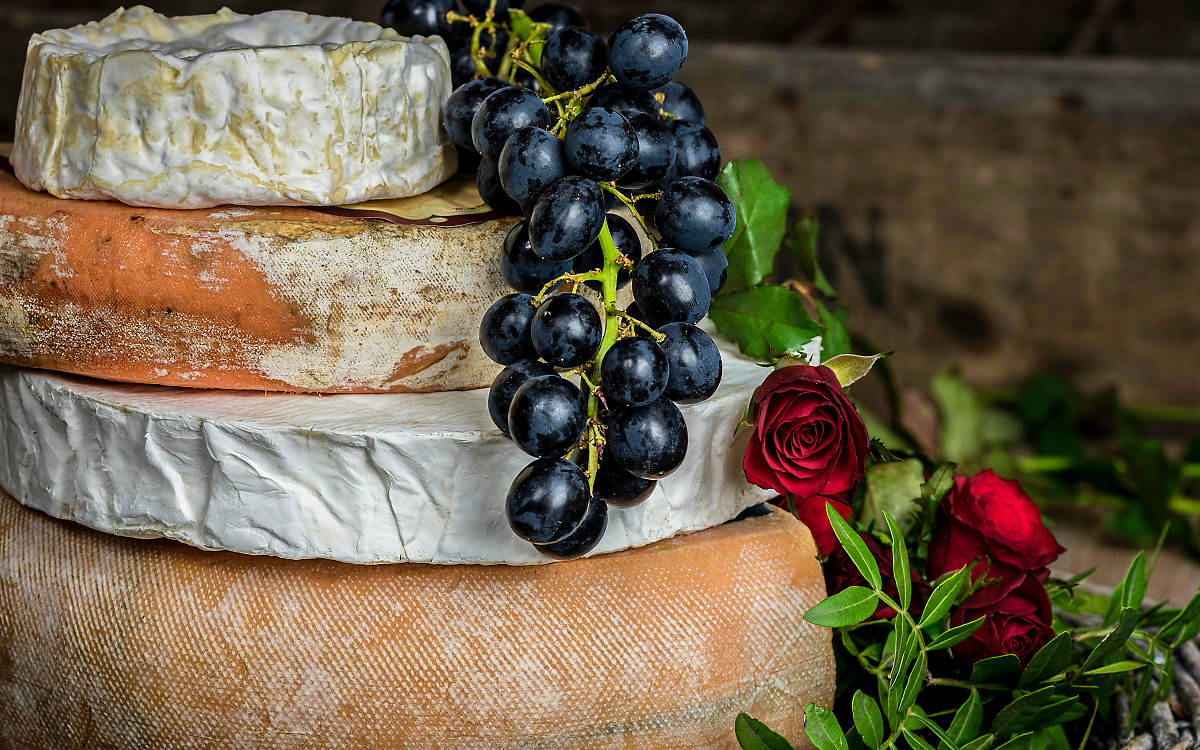
When people think of French cuisine, the first images that often spring to mind are flaky baguettes, creamy Camembert, and perhaps a rich bottle of Bordeaux.
While these iconic staples have certainly earned their place in French culinary lore, France’s gastronomic tapestry is far more nuanced than bread and cheese alone. Each region has its own signature dishes, unique ingredients, and cultural traditions, making the country a captivating destination for travelers in search of authentic flavors. In this comprehensive guide, we’ll explore the major regions of France and highlight must-try specialties, as well as tips for making the most of your culinary journey.
Normandy: Home of Creamy Sauces and Fresh Seafood
Tucked away in northwestern France, Normandy is renowned for its lush green pastures, apple orchards, and picturesque coastline. This region is the birthplace of celebrated dairy products like Camembert, Pont-l’Évêque, and Neufchâtel, and its local recipes feature plenty of butter and cream. It’s no wonder that mouthwatering sauces like Normande-a creamy concoction often blended with local apples and cider-are a staple in many homes and restaurants.
Must-Try Dishes
Coquilles Saint-Jacques: Pan-seared scallops served in a sauce made from butter, cream, and white wine.
Poulet Vallée d’Auge: Chicken cooked with apples, cider, and cream for a deeply comforting dish.
Tarte Normande: An apple tart sometimes garnished with almonds and spiced with Calvados (apple brandy).
Travel Tip: While in Normandy, make sure to visit the coastal town of Honfleur for fresh seafood, and stop by a local cider farm to sample artisanal apple-based beverages. Pair your meals with a crisp local cider or the region’s famous Calvados to truly complete the experience.
Brittany: A Seaside Haven of Crêpes and Salted Butter
Just west of Normandy lies Brittany (Bretagne), a region defined by its dramatic coastline, Celtic heritage, and seafaring traditions. Brittany is famous for its buckwheat galettes and sweet crêpes, both of which are made even more delicious by the region’s iconic salted butter. With a wealth of fresh seafood-from oysters in Cancale to lobsters in Brest-Brittany attracts gastronomes eager to taste the sea’s bounty.
Must-Try Dishes
Galettes de Sarrasin: Savory buckwheat crêpes filled with ham, cheese, eggs, or a variety of local ingredients.
Kouign-Amann: A buttery, caramelized pastry with a tender interior and crisp exterior-often dubbed “the fattiest pastry in Europe,” but utterly delicious.
Moules Frites: Mussels steamed in white wine, onions, and herbs, served with crispy fries.
Travel Tip: Try a meal at a crêperie in the scenic town of Saint-Malo, then walk along the fortress walls for panoramic views of the English Channel. For a sweet treat, be sure to drizzle extra salted caramel on your dessert crêpes-Brittany’s salted butter caramel is legendary.
Alsace: A Fusion of French and German Influences
Situated on France’s eastern border near Germany, Alsace offers a distinctive cuisine that combines French flair with German heartiness. Think of hearty dishes, tangy sauerkraut, and world-class white wines like Riesling and Gewurztraminer. The region’s architecture, with its half-timbered houses and charming villages such as Colmar and Riquewihr, adds to its fairytale appeal.
Must-Try Dishes
Choucroute Garnie: A hearty dish of fermented cabbage (sauerkraut) topped with sausages, salted meats, and potatoes.
Tarte Flambée (Flammekueche): A thin-crust “pizza” topped with crème fraîche, onions, and lardons.
Baeckeoffe: A slow-cooked casserole of marinated meat, potatoes, and onions, often enjoyed as a Sunday family meal.
Travel Tip: Pair your Alsatian meals with a crisp Riesling or a floral Gewurztraminer-both grapes thrive in the region’s sunny microclimate. If you visit in December, immerse yourself in Alsace’s enchanting Christmas markets for gingerbread treats and mulled wine.
Burgundy: Land of Wine, Beef, and Rich Sauces
If there’s one region that epitomizes the art of French cooking, it might be Burgundy (Bourgogne). This eastern-central area is famous for its Pinot Noir and Chardonnay vineyards, sprawling green countryside, and robust, elegant dishes. Many visitors come for the wine alone, but they stay for the deeply flavorful cuisine.
Must-Try Dishes
Bœuf Bourguignon: Beef slow-cooked in red Burgundy wine with carrots, onions, and mushrooms.
Coq au Vin: Chicken braised in wine (traditionally red Burgundy), bacon, mushrooms, and garlic.
Escargots de Bourgogne: Snails bathed in garlic-herb butter, often served in their shells as an appetizer.
Travel Tip: Take a leisurely drive or bike ride through the Route des Grands Crus, a scenic wine trail that connects some of the most renowned vineyards in the world. Stop by local tasting rooms to sample and purchase exceptional wines directly from the producers.
Lyon and Southeastern France: The Gastronomic Heartland
Frequently hailed as the gastronomic capital of France, Lyon sits at the confluence of the Rhône and Saône rivers, offering a culinary scene that bridges the produce of the south with the hearty cooking of the north. The city is dotted with bouchons-traditional Lyonnais eateries where comfort foods like sausages, tripe, and gratins reign supreme.
Must-Try Dishes
Salade Lyonnaise: A robust salad featuring frisée lettuce, bacon lardons, and a poached egg, often dressed with warm vinaigrette.
Quenelles de Brochet: Ground freshwater pike formed into dumplings, then poached and served with a rich sauce such as Nantua (based on crayfish butter).
Cervelle de Canut: A fresh cheese dip mixed with herbs, shallots, and vinegar, often spread on crusty bread.
Travel Tip: Explore the Halles de Lyon Paul Bocuse, a famous indoor market teeming with fresh produce, artisanal cheeses, and local specialties. It’s a paradise for foodies seeking to sample the best of Lyon’s regional ingredients under one roof.
Provence: A Sun-Kissed Mediterranean Adventure
Head southeast, and you’ll discover the sunny region of Provence, characterized by lavender fields, olive groves, and an abundance of fresh vegetables. The cuisine here is lighter than in many northern regions, highlighting herbs like thyme, rosemary, and basil, as well as locally pressed olive oil. With the Mediterranean Sea at its doorstep, Provence also serves up an array of seafood-based dishes.
Must-Try Dishes
Ratatouille: A vegetable stew of tomatoes, onions, zucchini, bell peppers, and eggplant, flavored with herbs de Provence.
Bouillabaisse: A traditional fish stew from Marseille, featuring a mix of local fish, shellfish, and aromatic vegetables, served with rouille (a garlic-saffron mayonnaise).
Socca: A thin chickpea flour pancake popular in Nice, often enjoyed as a snack or street food.
Travel Tip: Visit a Provençal market-such as the one in Aix-en-Provence or Arles-to sample tapenade, local olive oil, and fresh goat cheese. Pair these with a chilled rosé from the nearby vineyards for a quintessential taste of southern France.
Southwest France and Basque Country: Hearty Flavors and Spice
Venture to the southwestern region and into Basque Country to find bold, robust flavors influenced by both France and Spain. Known for cured ham, peppers, and duck, this area is a paradise for travelers looking for distinctive, full-bodied specialties.
Must-Try Dishes
Cassoulet: A slow-cooked stew of white beans, sausage, and duck confit originating from towns like Toulouse and Carcassonne.
Piperade: A Basque specialty of bell peppers, onions, and tomatoes, sometimes topped with eggs or ham.
Foie Gras: A delicacy made from the liver of a specially fed duck or goose. It’s controversial for ethical reasons, but remains a key element of many southwestern menus.
Travel Tip: For a unique local experience, head to a feria (festival) in Bayonne or Biarritz. Sample the famous Bayonne ham, a cured meat that captures the essence of southwestern France with each salty bite.
Corsica: An Island of Untamed Beauty and Rustic Cooking
Often overlooked by first-time visitors to France, the island of Corsica boasts a distinctive culinary tradition shaped by its rugged terrain and proximity to Italy. Chestnuts, wild boar, and tangy cheeses take center stage here. If you’re craving robust, aromatic flavors paired with stunning Mediterranean panoramas, Corsica will not disappoint.
Must-Try Dishes
Figatellu: A smoked pork liver sausage, often grilled or used in stews.
Brocciu: A fresh goat or sheep’s milk cheese used in everything from soups to desserts.
Pulenda: A thick porridge made from chestnut flour, typically served alongside cheeses or charcuterie.
Travel Tip: Pair your Corsican fare with local wines, which benefit from the island’s sunny climate and mineral-rich soils. The Cap Corse region, for instance, is home to some intriguing sweet and fortified wines.
Practical Tips for a Delicious French Adventure
- Plan Around Regional Markets
Most regions hold weekly or even daily markets where you can discover local produce, chat with farmers, and try street foods. Arrive early for the best selection and a chance to watch each market come to life. - Learn a Little French
While many French people in popular tourist areas speak English, learning a few key phrases-especially food-related vocabulary-goes a long way. Simple greetings and polite questions about dishes will endear you to local chefs and vendors. - Embrace the Seasonal Menus
French chefs pride themselves on using fresh, seasonal ingredients. Order off the menu du jour (daily menu) to sample dishes that highlight the day’s best produce. This approach is often more budget-friendly as well. - Pair with Local Wines
Each region in France has its own wine culture. In Burgundy, try a local Pinot Noir or Chardonnay; in Bordeaux, opt for a classic blend of Cabernet Sauvignon and Merlot. Embracing wine pairings can elevate your entire meal. - Reserve Ahead for Iconic Restaurants
Top-rated establishments-whether they’re Michelin-starred venues or family-run bistros-often fill up quickly. Book a table in advance to avoid disappointment, especially during peak tourist seasons.
Bon voyage et bon appétit!
Although France’s bread, cheese, and wine have garnered well-deserved global fame, each region’s culinary heritage is worth exploring in depth. From the hearty stews of southwestern France to the sunny fare of Provence, and from the creamy sauces of Normandy to the lighter, German-influenced dishes of Alsace, France reveals endless variety for food lovers. By venturing beyond the standard tourist offerings, you’ll not only enrich your travel experience but also develop a deeper appreciation for the country’s rich tapestry of flavors and traditions.
Remember, French cuisine is more than a list of dishes-it’s a way of life woven into daily markets, convivial gatherings, and centuries of tradition. Whether you’re hopping between regions by train or renting a car for a countryside road trip, you’ll find that France’s gastronomic culture is always within reach, just waiting to be savored.