
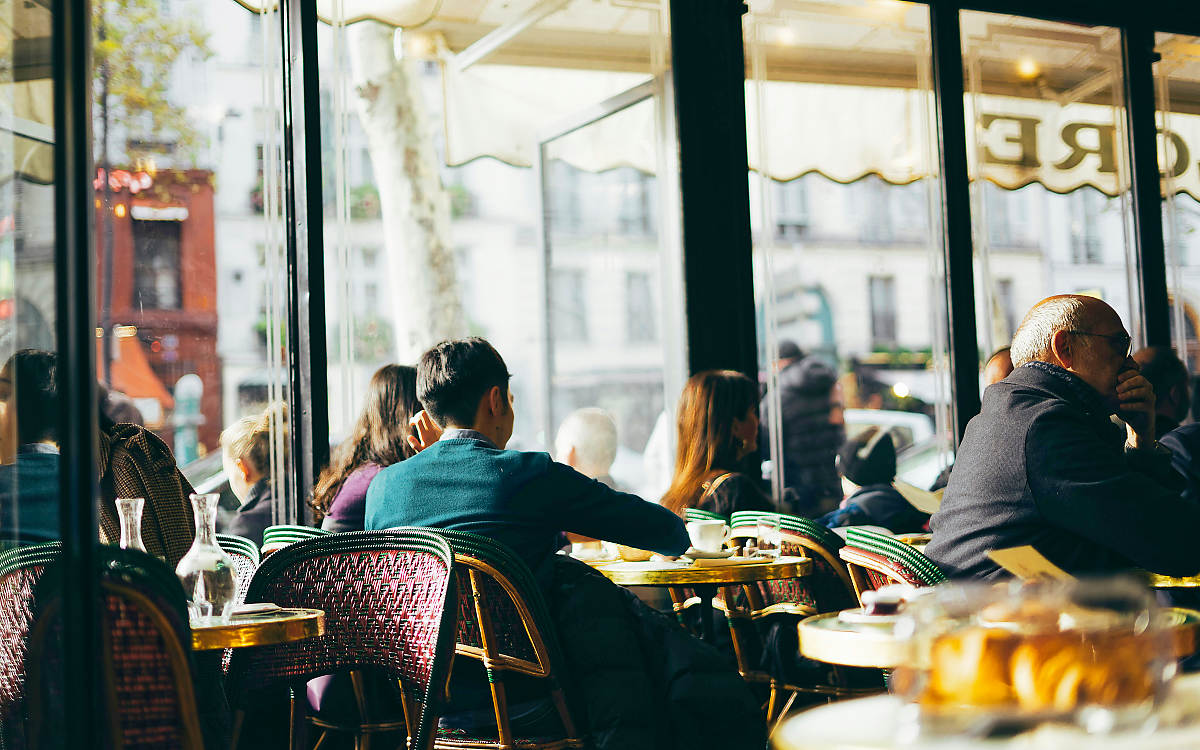
Image Credit: Valentin Kremer
When it comes to dream travel destinations, France frequently tops the list – whether for its romantic landscapes, historic monuments, delectable cuisine, or rich artistic heritage.
But beyond the grand boulevards of Paris and the lavender fields of Provence lies an intricate tapestry of social norms that every visitor should be aware of. Familiarizing yourself with local manners and behaviors not only helps you avoid embarrassing faux pas but also ensures you connect with the local culture on a deeper level.
Below are the top 10 cultural etiquette tips to keep in mind when visiting France. With these insights, you’ll seamlessly blend in with the locals, create positive impressions, and make the most of your trip.
1. Mastering French Greetings
One of the first things you’ll notice in France is the significance of greetings. The French take their pleasantries seriously, and your initial interactions can set the tone for the rest of your experience.
The Importance of “Bonjour”
When entering any establishment – be it a small boutique, a bustling café, or a friend’s home – make sure you offer a friendly “Bonjour!” (or “Bonsoir” in the evening). This simple gesture is considered essential. Failing to greet someone properly, especially in smaller shops or local settings, can be perceived as rude or dismissive.
The (Sometimes Confusing) Cheek Kiss
The cheek kiss – known as “la bise” – is common among friends, family members, and even new acquaintances in some contexts. However, not everyone greets with la bise, especially in formal or professional settings. When you meet someone new, offering a handshake is typically safer unless the other person initiates the cheek kiss. Also, note that the number of kisses varies by region – some places only do two, while others do up to four!
Quick Tip: If you’re unsure whether to extend your hand or lean in for a cheek kiss, observe what the locals are doing or let them take the lead.
2. Dress to Impress (But Comfortably)
French fashion is globally renowned. While you don’t need to don a designer wardrobe to explore the country, a polished appearance is appreciated. The French often associate clean, tasteful dressing with respect – for oneself and for others.
Avoid Overly Casual Attire
Yes, you can wear shorts and sandals on a summer day, but avoid overly casual or sloppy outfits – especially if you plan to enter nicer restaurants or visit cultural sites like churches. A neat blouse, a stylish pair of trousers, or a casual sundress often goes a long way toward blending in.
Blend Style and Comfort
If you plan to sightsee all day, choose attire that strikes a balance between comfort and style. Opt for well-fitting jeans, comfortable flats or loafers, and a light scarf. Scarves are a staple in French wardrobes and add a chic, effortless layer to your outfit.
Quick Tip: Wearing athletic gear or sports sneakers is generally acceptable only for actual athletic activities, though fashion sneakers are growing in popularity.
3. Navigate French Dining Etiquette
One of the greatest joys of visiting France is indulging in its culinary scene. From Michelin-starred establishments to family-run bistros, the country offers a feast for the senses. Understanding French dining etiquette, however, can take your gastronomic journey to new heights.
Mind Your Hands on the Table
In France, it’s common to keep your hands above the table, resting your wrists on the table edge when you’re not eating. Letting your hands fall into your lap may be viewed as a sign of boredom or poor manners.
Wait to Eat Until Everyone is Served
Good manners dictate that you wait until everyone at the table has been served before you begin eating. This shows respect and consideration for your dining companions.
Bread Belongs on the Table – Not on the Plate
Another quirk of French dining etiquette is placing bread directly on the tablecloth (to the left of your plate) rather than on a bread plate. If you need to cut the bread, tear it with your hands instead of slicing it with a knife.
Quick Tip: Don’t feel pressured to order multiple courses. However, if you do order dessert or coffee, wait for others to do the same before starting to enjoy yours.
4. Tipping Conventions in France
Unlike some countries where tipping makes up a significant portion of a server’s wage, France has a slightly different system.
Service Compris
“Service compris” (service included) is typically added to restaurant bills. This means that the cost of service is already factored in. However, it’s still polite to leave a small additional tip – often just a few euros or the loose change from your bill – to show appreciation for good service.
When Not to Tip
For more casual settings like cafés or bars where you just grab a quick espresso, rounding up to the nearest euro is often enough. If your bill is already rounded, you’re generally not expected to leave extra unless you received exceptional service.
Quick Tip: In taxis, rounding up to the nearest euro is common. You can add a few extra euros if the driver helped you with heavy luggage or took a detour to get you to your destination faster.
5. Engage in Polite Conversation
While people in major tourist centers like Paris often speak English (at least a bit), don’t assume everyone does – or that they are obliged to speak English with you. Making an effort to speak a few French words can go a long way.
Begin in French, If Possible
When you approach someone, start with a simple French greeting: “Bonjour, excusez-moi de vous déranger…” This small gesture demonstrates respect for their language and culture. Once they see you’re struggling, they may switch to English – but they’ll appreciate your effort.
Avoid Personal Topics
In French culture, certain topics – like someone’s salary, religion, or political affiliation – are considered quite personal and are usually avoided when chatting with new acquaintances. Keep discussions light. It’s typically safe to talk about food, travel experiences, art, or current events.
Quick Tip: If you’re a novice at French, try downloading a French language app or carrying a small phrasebook. Locals generally respond positively to any earnest attempt to communicate in their language.
6. Respect Personal Space and Quiet
In big cities like Paris, you might expect crowded metros and busy streets. Yet despite these bustling environments, the French often maintain more personal space than tourists might expect, especially in quieter neighborhoods or smaller towns.
Mind Your Volume
The French can be quite reserved in public spaces – loud conversations or boisterous laughter might draw unwanted attention. On public transport, keep your voice low and avoid taking phone calls on speaker.
Greet Neighbors (Politely)
If you are staying in an apartment or passing through a residential neighborhood, a polite “bonjour” to any neighbors you encounter is usually appreciated. Conversely, you wouldn’t strike up an overly friendly conversation in an elevator unless the other person seems open to it.
Quick Tip: Avoid abrupt gestures, loud hollering, or boisterous behavior in quiet, residential areas. This can be viewed as inconsiderate.
7. Understand Time and Punctuality
Time management in France can sometimes appear contradictory. On one hand, the French are often punctual for professional meetings, but on the other hand, leisurely lunches can stretch for hours.
Social vs. Professional Settings
For business appointments, arriving a few minutes early or exactly on time is crucial. Being even five minutes late can be frowned upon. For casual gatherings – like a dinner party at a friend’s home – arriving 10 to 15 minutes late is often considered polite, as it gives your host some final prep time.
Meal Times Are Sacred
Many French businesses close or slow down for an extended lunch break – often between noon and 2 p.m. If you’re planning on visiting shops or administrative offices, avoid these hours or check their posted schedules to avoid disappointment.
Quick Tip: When scheduling restaurant reservations, stick to your time slot as closely as possible. Many French restaurants have limited seatings and expect guests to arrive when the kitchen is fully prepared.
8. Explore Beyond Paris
Paris is undeniably enchanting, but France’s cultural treasures aren’t limited to the capital. Venturing outside the city can offer a more authentic look at regional traditions and etiquette. Each region – Brittany, Provence, Alsace, Normandy – boasts its own customs, dialects, and even slight variations in etiquette.
Learn Regional Phrases
Some regions have local dialects or slight differences in pronunciation. Picking up a regional phrase or two can instantly endear you to the locals.
Embrace Local Customs
For instance, in some parts of southern France, people tend to be more laid-back and informal than in Paris. In coastal towns, fresh seafood is a highlight of local cuisine, so knowing how to order and appreciate it is part of the cultural experience.
Quick Tip: If you’re planning trips to multiple regions, consider researching local cultural nuances and etiquette. Locals will warmly welcome your interest in their traditions.
9. Be Environmental and Socially Conscious
France, like many European countries, places a high value on environmental responsibility. Recycling programs are common, and plastic bag bans are in effect in most large supermarkets.
Separate Your Waste
You’ll often find different colored bins for recycling plastic, glass, and paper. Make sure you discard your waste in the correct bin, and carry reusable bags for your shopping excursions.
Conserve Energy
When you leave a hotel room or rental apartment, switch off the lights and air conditioning if it’s not needed. The French are mindful about resource conservation, and many accommodations have lights that switch off automatically to reduce electricity usage.
Quick Tip: Bring your own reusable water bottle, especially during the warmer months. Public water fountains (particularly in Paris) can often be found near monuments or gardens.
10. Balancing Photography and Respect
France is brimming with iconic photo opportunities, from the Eiffel Tower to quaint cobblestone streets. But while capturing memories is important, it’s equally crucial to respect privacy and etiquette.
Ask Before You Snap
If you wish to photograph people – especially street performers or artists – ask for permission first. Taking candid shots without consent can be considered invasive, and some performers might expect a small tip.
Respect Restricted Areas
Certain museums, churches, and galleries may prohibit photography. Pay attention to posted signs. If photography is allowed, refrain from using flash, as it can damage artwork or disturb other visitors.
Quick Tip: If you’re blogging or posting on social media, be mindful of how many photos you take in a single place. Focus on the experience first, and then capture the moment without disrupting your surroundings.
Explore France!
Whether you’re strolling through the historic streets of Paris, sipping rosé in a Provençal vineyard, or wandering along the rugged coastlines of Brittany, understanding French cultural etiquette can significantly enrich your experience. By mastering greetings, refining your dining manners, respecting personal space, and showing genuine curiosity about local customs, you’ll quickly find yourself welcomed wherever you go.
In a country that prizes art, tradition, and sophistication, your respectful approach will not only help you avoid misunderstandings but also open doors to memorable friendships and authentic encounters. Let these etiquette tips guide you as you explore the wonders of France – embrace the charm, savor the cuisine, and immerse yourself in a culture that has captured the world’s imagination for centuries.
Remember, being a thoughtful visitor involves more than simply following the rules. It’s about connecting with the community in a meaningful way. And in France, the reward for that effort is a travel experience that resonates long after you’ve returned home.
Safe travels and bon voyage!