
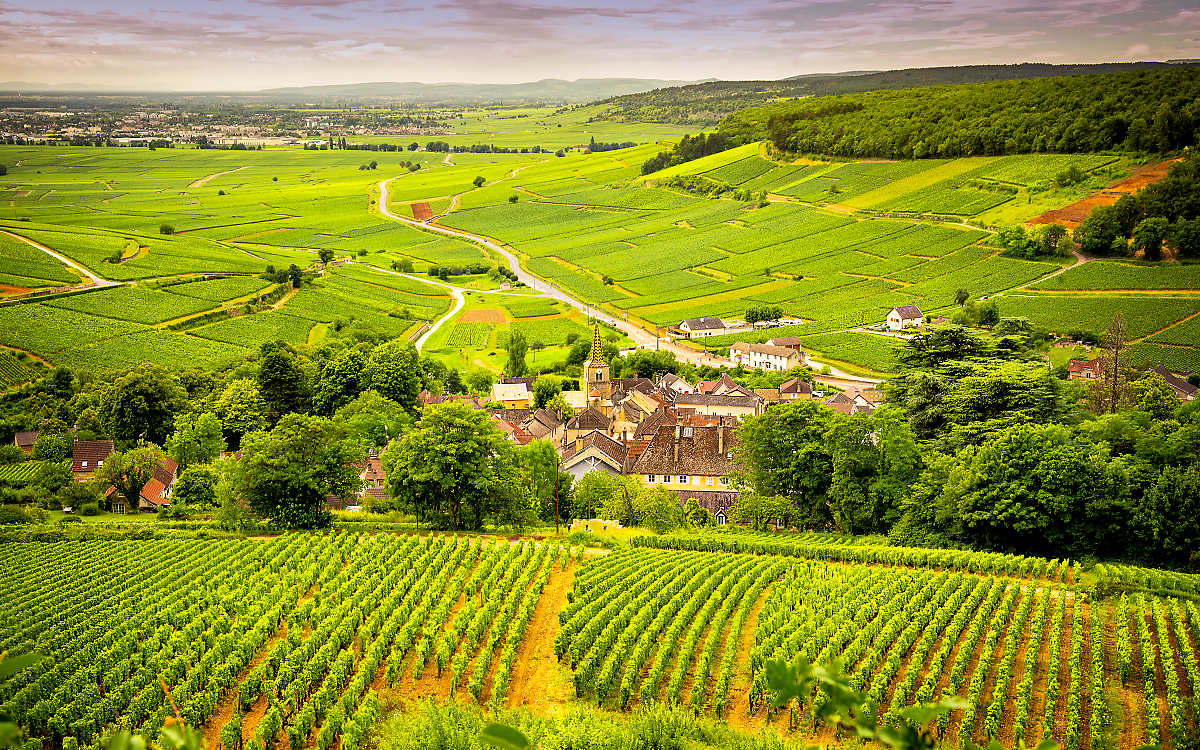
Bourgogne-Franche-Comté Region
Bourgogne-Franche-Comté Region
Nestled in eastern France, Bourgogne-Franche-Comté is a region brimming with cultural treasures, medieval heritage and culinary excellence.
Formed by merging the historic areas of Burgundy (Bourgogne) and Franche-Comté, it boasts world-famous vineyards, picturesque towns and Alpine-like mountain landscapes.
Visitors are drawn to its array of gastronomic specialties—think rich cheeses, Dijon mustard and iconic dishes like Boeuf Bourguignon—and captivated by the UNESCO-listed sites and rolling hills that paint its countryside.
With easy connections from major French cities, this region is the perfect escape for anyone seeking a blend of history, nature and unforgettable culinary experiences.
Welcome to Bourgogne-Franche-Comté
Bourgogne-Franche-Comté, located in eastern France, is a diverse region that offers everything from historic architecture and rolling vineyards to lakes, rivers and mountains teeming with outdoor adventures. Formed by the merger of the historic regions of Burgundy (Bourgogne) and Franche-Comté, this destination captivates travelers with its storied past, exceptional gastronomy, world-renowned wines and charming medieval towns.
If you’re seeking a travel experience that blends rich culture, scenic landscapes, culinary delights and a deep sense of history, then look no further. In this guide, you will discover the must-see destinations, local traditions and practical travel tips to help you plan your journey to Bourgogne-Franche-Comté.
History
Bourgogne (Burgundy) once stood as one of the most influential duchies in medieval Europe, particularly between the 14th and 15th centuries. The powerful Dukes of Burgundy were major patrons of art and architecture, laying the foundation for an enduring cultural heritage. Vestiges of this golden age remain in the region’s iconic monuments—like the Ducal Palace in Dijon—and in the atmospheric old towns filled with half-timbered houses.
Franche-Comté, on the other hand, was long associated with the Holy Roman Empire before eventually joining France in the 17th century. Renowned for its watchmaking tradition—especially centered in the city of Besançon—this part of the region also boasts fortifications by the military architect Vauban, many of which are recognized as UNESCO World Heritage Sites.
The union of these two historic regions has created a travel hotspot that merges the best of both: fine wines and cheeses, medieval abbeys and châteaux, vibrant Renaissance and Baroque architecture and a love for life evident in every bustling market and vineyard.
Location
Bourgogne-Franche-Comté stretches from central to eastern France, sharing a border with Switzerland to the east. The region is composed of eight departments including Côte-d’Or, Doubs, Haute-Saône, Jura, Nièvre, Saône-et-Loire, Yonne and Territoire de Belfort. Major cities include Dijon (the regional capital), Besançon, Beaune and Belfort.
Its central positioning in Europe offers easy access by rail, road and air from major European cities like Paris, Lyon and Geneva, making it an ideal stop for travelers exploring France and the neighboring countries.
Best Time to Visit
Bourgogne-Franche-Comté experiences a temperate continental climate with warm summers and chilly winters. Springs and autumns are generally mild and pleasant, although rainfall can be scattered throughout the year.
- Spring (March–May): Mild temperatures and fewer tourists make this an appealing time for sightseeing. Vineyards start to bloom and historic sites are less crowded.
- Summer (June–August): Warm temperatures and festive atmospheres characterize the region, especially during the peak wine season. This is perfect for outdoor activities and events, though popular areas can be busier.
- Autumn (September–November): The stunning hues of fall foliage make the vineyards and countryside particularly picturesque. Wine lovers also enjoy harvest season activities and festivals.
- Winter (December–February): Chilly and often snowy in the Jura Mountains, providing opportunities for winter sports like skiing. Holiday markets and Christmas festivities add a magical charm to the towns, though some attractions may have shorter opening hours.
For most travelers, late spring through early autumn offers the best balance between comfortable weather and cultural events, especially if you are keen on wine tours and outdoor exploration.
Top Destinations
Dijon
The capital of Bourgogne-Franche-Comté, Dijon enchants with its well-preserved medieval core, intricate mansions and a vibrant culinary scene. Must-see highlights include:
- Ducal Palace (Palais des Ducs): Once home to the powerful Dukes of Burgundy, it now houses the Musée des Beaux-Arts with an impressive art collection.
- Notre-Dame of Dijon: This Gothic-style church boasts an iconic façade and a famous clock tower, the Jacquemart Clock.
- Les Halles Market: Designed in part by Gustave Eiffel, this bustling covered market is a foodie’s dream, packed with local cheeses, charcuterie and produce.
Beaune
Known as the wine capital of Burgundy, Beaune is a charming walled town surrounded by vineyards. Be sure to visit:
- Hospices de Beaune (Hôtel-Dieu): A 15th-century charitable hospital featuring a distinctive glazed tile roof. This architectural gem is considered a masterpiece of Burgundian-Flemish art.
- Wine Tasting Cellars: Explore underground cellars and sample the region’s famed Pinot Noir and Chardonnay.
- Saturday Market: A vibrant weekly event where local producers sell fresh cheeses, fruits and artisan goods.
Besançon
Besançon serves as the capital of the Franche-Comté area. Its strategic location on a loop of the Doubs River is dominated by:
- Citadel of Besançon (Citadelle de Vauban): A UNESCO World Heritage Site, the citadel offers panoramic views and houses several museums, including a zoo and a Resistance and Deportation Museum.
- Historic Center: Wander along the charming streets lined with stone buildings, Roman ruins, and hidden courtyards.
Jura Mountains
Nature lovers and adventure seekers head to the Jura Mountains to enjoy:
- Hiking and Skiing: With stunning trails and ski resorts like Métabief, the Jura is ideal for year-round outdoor activities.
- Lakes and Waterfalls: The region boasts beautiful lakes such as Lac de Chalain and Cascades du Hérisson, known for a series of breathtaking waterfalls.
Cluny Abbey
Once one of the largest churches in the world before St. Peter’s Basilica was built, Cluny Abbey in Saône-et-Loire is a monument of Romanesque architecture. Its ruins, museum and gardens provide a window into the grandeur of medieval monastic life.
Activities
Wine and Vineyard Tours
Burgundy’s vineyards are legendary and many estates offer guided tours to learn about viniculture, harvest traditions and of course indulge in wine tastings. Families with older children can enjoy the scenic drive through the vineyards, while adults will relish sampling exquisite Pinot Noir and Chardonnay.
Cycling and Hiking
The region’s gently rolling terrain, interspersed with hills and mountains, makes it ideal for both leisurely bike rides and more challenging hikes. Cycle along the “Voie Verte” (Greenway), a well-maintained network of paths that meander through idyllic countryside, vineyards and quaint villages.
Boat Rides and River Cruises
The Saône and Doubs Rivers provide opportunities for boat rentals and guided cruises. Families will love gentle rides along picturesque waterways, passing by historic towns and scenic landscapes. Some tours even include on-board dining experiences featuring local products.
Museums and Interactive Exhibitions
- Cité des Sciences et de l’Industrie in Besançon: Families can delve into educational and interactive exhibitions about science, technology and local innovations, particularly watchmaking.
- Musée du Temps (Besançon): This museum explores the city’s history in clockmaking, offering kid-friendly activities that showcase the art and science of timekeeping.
Adventurous Sports
- Via Ferrata: For thrill-seekers, the rugged cliffs around the Jura region host equipped rock-climbing routes.
- Paragliding: Experience the rolling hills and vineyards from above with paragliding excursions available near mountainous areas.
Culture and Heritage
The cultural fabric of Bourgogne-Franche-Comté is woven from the threads of monastic heritage, Renaissance art, Catholic pilgrimages and centuries-old festivals. Traditional events like the “Vente des Vins” (wine auction) in Beaune celebrate the region’s historic connection to wine. Meanwhile, religious and historic sites such as the Basilica of Vézelay—another UNESCO World Heritage location—draw pilgrims and history buffs alike.
Art also thrives here, evident in the numerous galleries, museums and annual cultural events. Every summer music and theater festivals animate city squares and abbey courtyards, highlighting both contemporary performances and classical concerts.
Cuisine
Bourgogne-Franche-Comté’s cuisine is as rich and varied as its history. You will discover famous dishes and specialties that highlight high-quality, locally sourced ingredients:
- Boeuf Bourguignon: A hearty stew made with tender beef braised in red Burgundy wine, mushrooms and pearl onions.
- Coq au Vin: Similar concept to Boeuf Bourguignon but with chicken slow-cooked in red wine, bacon lardons and aromatic herbs.
- Escargots de Bourgogne: Burgundy is famous for its snails, typically prepared with garlic and parsley butter.
- Comté Cheese: Hailing from Franche-Comté, this semi-hard cheese boasts a nutty flavor and is a staple in local dishes, including fondue.
- Morbiflette or Tartiflette Comtoise: A twist on the classic Alpine potato-and-cheese bake, featuring local cheeses from the Jura mountains.
Regional markets provide the perfect setting to sample local produce such as charcuterie, honey, mustard (especially from Dijon) and artisan sweets. Don’t forget to savor freshly baked baguettes, often paired with Comté or Epoisses cheese—a runny, pungent cheese also emblematic of the region.
Wine
Wine is a cornerstone of life in Bourgogne-Franche-Comté, particularly in Burgundy. Some of the world’s most prestigious vineyards are found here, producing highly coveted red (Pinot Noir) and white (Chardonnay) wines. The region is divided into various sub-regions, each with its own terroir and appellations, such as:
- Côte de Nuits: Renowned for robust Pinot Noir, often referred to as the “Champs-Élysées of Burgundy.”
- Côte de Beaune: Known for both white and red wines, with villages like Meursault and Puligny-Montrachet producing revered Chardonnays.
- Chablis: Up in the Yonne department, famous for crisp, mineral-driven Chardonnay.
Franche-Comté also has pockets of winemaking, especially in the Jura, where you will find unique varietals and styles, such as Vin Jaune (Yellow Wine), made from Savagnin grapes and aged under a layer of yeast.
Visiting wine cellars and vineyards is a highlight for many travelers. Whether you join a guided tour, enjoy a tasting in a quaint cellar or drive along the scenic “Route des Grands Crus,” you will gain a deeper appreciation for the region’s rich viticultural tradition.
Getting There
By Air
While Bourgogne-Franche-Comté does not have a large international airport of its own, its location ensures easy access from major airports in Paris (Charles de Gaulle and Orly), Lyon (Saint-Exupéry) and Geneva. From these airports travelers can rent a car or take a direct train to major towns like Dijon or Besançon.
By Train
France’s renowned TGV (high-speed train) network links Dijon and Besançon to Paris, Lyon and other European cities. From Paris Gare de Lyon, the journey to Dijon takes roughly 1.5 hours making it a convenient day trip or an easy starting point for a longer vacation in the region.
By Car
If you prefer the flexibility of a road trip, the A6 motorway (known as “l’Autoroute du Soleil”) connects Paris to Lyon via Burgundy. Scenic side roads also offer rewarding drives through vineyards and picturesque villages.
Getting Around
Car Rental
For exploring quaint villages and remote wine estates, renting a car is often the best option. It allows you to set your own pace, stop at hidden gems and enjoy the freedom of off-the-beaten-path discoveries.
Regional Trains and Buses
The region is well-served by TER (Transport Express Régional) trains, linking major cities and smaller towns. Buses also fill the gaps for areas not accessible by rail. While trains are fast and efficient, be mindful of schedules, especially on weekends and public holidays when services may be limited.
Cycling
Burgundy is famous for its “Voie Verte” (Greenway) cycling paths, while Franche-Comté’s mountainous terrain attracts road cyclists and mountain bikers alike. Many local tourist offices and train stations offer bike rental facilities or can direct you to local businesses that do.
Walking
Cities like Dijon and Beaune are compact and highly walkable. Exploring on foot is often the best way to soak in the medieval ambiance, admire hidden architectural details and sample local treats from street vendors and shops.
This is Bourgogne-Franche-Comté
Bourgogne-Franche-Comté blends centuries of European history, breathtaking landscapes and an unparalleled gastronomic heritage into a single, mesmerizing destination. From the medieval heart of Dijon to the alpine vistas of the Jura Mountains, each corner reveals a unique facet of French culture. Here, world-class wines, rustic farm-to-table cooking and UNESCO-protected sites converge to create an enriching travel experience.
Whether you are a history buff eager to explore ancient abbeys, a foodie in search of authentic regional dishes or an adventurer ready to hike and ski in the Jura Mountains, this region has something to captivate every kind of traveler. Plan your journey to Bourgogne-Franche-Comté and discover for yourself the timeless appeal of one of France’s most beloved regions.