
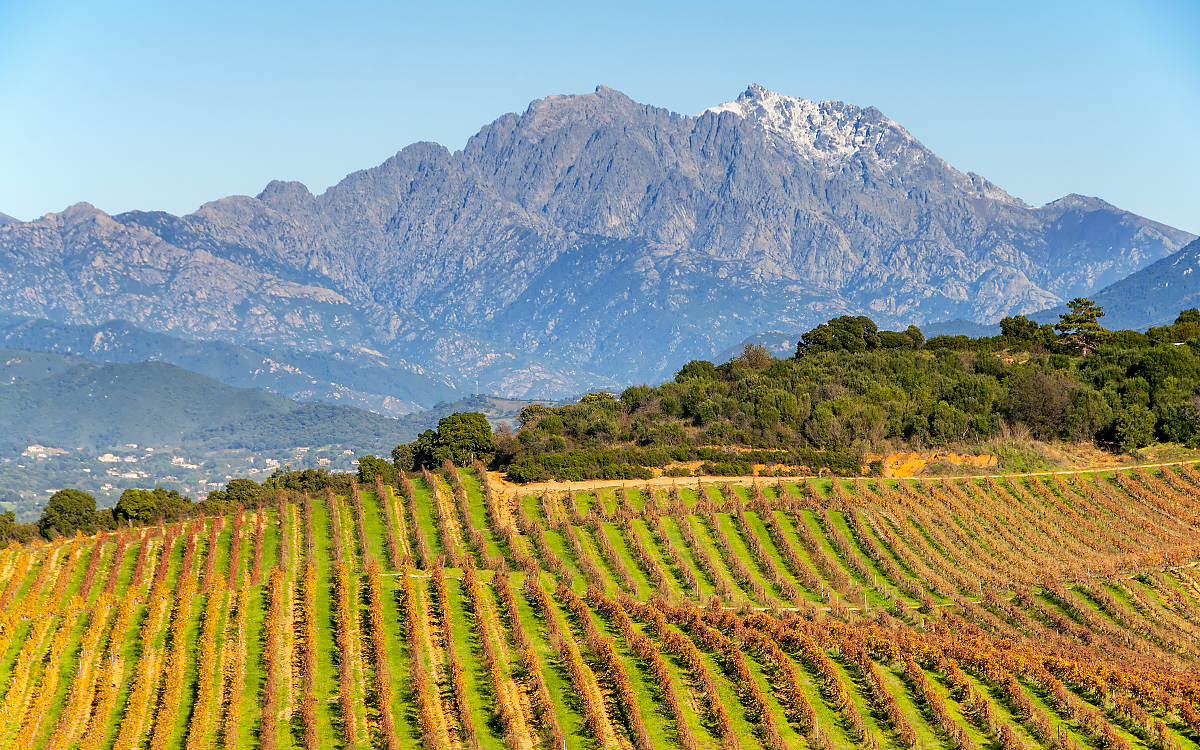
Corsica (Corse) Wine Region
Corsica (Corse) Wine Region
Located in the heart of the Mediterranean, Corsica (locally known as Corse) is often hailed as the “Island of Beauty,” a poetic name that underscores its stunning natural landscapes, rich cultural heritage and diverse culinary traditions.
While it is officially part of France, Corsica has a distinct identity shaped by centuries of history, local pride and influences from neighboring Italy. This unique blend of cultures is most evident in Corsica’s vibrant wine scene, flavorful cuisine and countless travel opportunities for visitors looking to indulge their senses.
In this comprehensive guide, we will explore Corsica’s geographical and historical context, delve into its terroir and wine specialties and highlight its must-see vineyards, top destinations, family-friendly activities and more. Whether you are a wine connoisseur, a nature enthusiast or a curious traveler, Corsica promises an unforgettable journey.
Welcome to Corsica (Corse) Wine Region
From pristine beaches and rugged mountain ranges to charming coastal towns and historic landmarks, Corsica offers a kaleidoscope of experiences. Wine lovers will discover an exciting portfolio of indigenous grapes and wineries that reflect the island’s distinctive terroir. Foodies can indulge in robust flavors derived from farm-fresh produce, cured meats and artisanal cheeses. Meanwhile, adventurers can hike scenic trails, explore hidden coves and partake in a lively calendar of festivals celebrating the island’s proud heritage.
About the Region
Corsica is situated southeast of the French mainland and directly north of the Italian island of Sardinia. Despite its geographical proximity to Italy, Corsica has been part of France since the late 18th century but it retains a strong cultural and linguistic heritage that sets it apart from the rest of the country.
Historically, Corsica has seen a succession of rulers, from the ancient Greeks and Romans to the city-states of Pisa and Genoa. These influences have left their mark on the island’s architecture, language and culinary traditions. Today, Corsica proudly balances its French identity with a distinctly Corsican character, visible in everything from street signs (often in both French and Corsican) to folk music and festivals.
Terroir and Climate
Corsica’s terroir is as diverse as its landscapes. High-altitude vineyards thrive in the mountainous interior while coastal vineyards benefit from the mild Mediterranean climate, sea breezes and mineral-rich soils. The island’s topography—marked by a mountainous spine running from northwest to southeast—creates numerous microclimates that give local wines a remarkable range of flavors.
The proximity to the sea moderates temperatures, ensuring hot, dry summers and mild, wet winters. The bright Corsican sun, combined with cool night temperatures in certain areas, allows grapes to achieve a balanced maturity, preserving acidity and developing intricate flavor profiles.
Culture and Traditions
The Corsican people are known for their warmth, hospitality and a fierce sense of independence. Local customs revolve around family, food and faith, with numerous religious and secular festivals held throughout the year. Traditional music, featuring polyphonic singing remains integral to Corsican identity. Visitors often find that embracing the island’s pace of life—where meals are savored, conversations linger and community ties run deep—adds to Corsica’s allure.
Wine Specialties and Notable Grape Varieties
Signature Wines
Corsica’s wines reflect the island’s multifaceted terroir. You will find aromatic whites, elegant rosés and structured reds. Some of the most notable AOCs (Appellations d’Origine Contrôlée) include:
- Patrimonio AOC: Known for powerful reds and crisp whites.
- Ajaccio AOC: Famous for its refined reds produced from Sciaccarellu grapes.
- Vin de Corse AOC: A broader regional appellation covering various styles and sub-zones.
Grape Varieties
Niellucciu
Often compared to Sangiovese (its probable Italian cousin), Niellucciu is a red grape prized for producing full-bodied wines with notes of dark fruit, leather and herbs.
Sciaccarellu
This indigenous red grape typically yields lighter-bodied wines with fruity and peppery hints. It is also used in blends to add aromatic complexity.
Vermentino (Malvoisie de Corse)
The primary white grape in Corsica, Vermentino thrives in coastal vineyards. Its wines typically display fresh citrus flavors, floral notes and a characteristic salinity from the island’s maritime climate.
Tasting Profiles
- Corsican Reds: Expect complexity, with plum, cherry and wild herb aromas (often called “maquis” notes, reminiscent of the island’s aromatic scrubland). Tannins can range from supple to firm, depending on the grape and region.
- Corsican Whites: Vermentino-driven whites are fresh, with high acidity and a mineral backbone. Citrus, green apple and subtle herbal undertones often emerge, making them ideal for seafood pairings.
- Corsican Rosés: Typically light to medium-bodied, presenting red berry notes and refreshing acidity—a perfect match for warm summer days.
Must-Try Bottles and Wineries
- Domaine Comte Abbatucci (Ajaccio): Renowned for biodynamic practices and ancient grape varieties.
- Clos Canarelli (Figari): Praised for its refined rosés and expressive whites.
- Domaine Leccia (Patrimonio): Known for producing rich Niellucciu-based reds and elegant Vermentino whites.
- Antoine Arena (Patrimonio): Highly regarded for authentic terroir-driven wines with notable aging potential.
Cuisine
Regional Dishes
Corsican cuisine is a delightful fusion of French and Italian influences with a heavy reliance on local ingredients such as chestnuts, herbs (rosemary, thyme and wild mint) and Mediterranean vegetables. Must-try dishes include:
- Figatellu: A traditional pork liver sausage that is often grilled or used in hearty soups.
- Brocciu: A fresh sheep’s milk cheese similar to ricotta, used in both savory and sweet preparations (like the famous fiadone cheesecake).
- Veau aux Olives: A slow-cooked veal stew with olives and herbs.
- Chestnut Polenta (Pulenta): Made from chestnut flour, a staple in Corsican baking.
Wine and Food Pairings
- Vermentino & Seafood: Corsica’s coastal location means an abundance of fresh fish and shellfish, perfectly complemented by the crisp acidity of Vermentino.
- Niellucciu & Charcuterie: The earthy depth of Niellucciu reds pairs beautifully with robust cured meats, such as coppa and lonzu.
- Rosé & Vegetarian Dishes: Dry, aromatic rosés are excellent matches for vegetable-focused plates, like ratatouille or stuffed zucchini blossoms.
Culinary Hotspots
- Ajaccio: The island’s capital, home to bustling markets, traditional bistros and upscale restaurants serving modern Corsican cuisine.
- Bastia: A gateway to the Patrimonio wine region, Bastia offers vibrant street food, fresh seafood stalls and lively harborside eateries.
- Calvi: Famous for scenic views, romantic beachside restaurants and a relaxed café culture.
Local Products
Look out for artisanal honey (miel de Corse), aromatic herbs, olive oil and chestnut-flour-based pastries. Corsican charcuterie—cured hams, sausages and salamis—is also highly coveted, reflecting centuries-old traditions of pig rearing and meat preservation.
Must-See Vineyards and Attractions
Top Vineyards and Wine Estates
- Clos Culombu (Calvi Region): A picturesque estate offering tastings and tours, known for robust reds and zesty whites.
- Clos Alzeto (near Ajaccio): Set in the mountains, it provides breathtaking views and a chance to experience biodynamic wine production.
Cultural and Historical Sites
- Maison Bonaparte (Ajaccio): Napoleon Bonaparte’s birthplace, now a museum showcasing his family’s life and Corsican history.
- Citadelle de Calvi: An impressive Genoese fortress with winding cobblestone streets and panoramic sea views.
- Corte: Once the capital of independent Corsica, it features the historic Citadelle de Corte and a museum dedicated to Corsican culture.
Scenic Routes and Natural Landscapes
- Cap Corse: A scenic drive along the rugged northern peninsula, dotted with quaint fishing villages and terraced vineyards.
- Calanques de Piana: Dramatic red-rock cliffs overlooking the Gulf of Porto, ideal for hiking and photography.
- Gorges de la Restonica: A pristine river gorge near Corte, perfect for swimming, picnicking and hiking to glacial lakes.
Top Destinations
- Ajaccio: Beyond its wine bars and museums, visit the Cathédrale Notre-Dame-de-l’Assomption, where Napoleon was baptized. Stroll through the old town to admire pastel-colored buildings and sample local delicacies at the daily market on Place Foch.
- Bastia: The city’s old port (Vieux Port) and the adjacent Citadelle de Bastia offer a blend of Genoese architecture and picturesque harbor views. The Église Saint-Jean-Baptiste is a notable religious site with an ornate interior.
- Bonifacio: Perched atop limestone cliffs on the island’s southern tip, Bonifacio’s medieval citadel and stunning sea caves make it a must-visit. Boat tours reveal hidden coves and remarkable rock formations.
- Saint-Florent: A charming harbor town at the foot of the Cap Corse, Saint-Florent features a lovely marina, beach access and proximity to the revered Patrimonio wine region.
- Corte: Historically significant and centrally located, Corte’s old town and fortress offer insight into Corsica’s independence movement and enduring cultural identity.
Activities
- Beach Days: Corsica is renowned for its crystal-clear waters and sandy coves. Popular family-friendly beaches include Palombaggia near Porto-Vecchio and Calvi Beach.
- Hiking & Nature Excursions: Families can embark on gentle hikes like the trail to the Piscia di Gallu waterfall near Zonza or explore the natural reserve of Scandola (accessible by boat tours).
- Water Sports: From kayaking to paddleboarding, the island’s calm bays are perfect for trying new water activities.
- Farm Visits & Tasting Workshops: Many agriturismos welcome families to learn about olive oil and cheese production, often with interactive demonstrations and tasting sessions.
Events
- Fiera di u Vinu (Wine Fair): Held in Luri in the Cap Corse region each summer, this festival showcases an array of Corsican wineries and local producers.
- Fête de la Musique (Music Festival): Celebrated across France on June 21, Corsica’s version includes traditional polyphonic music and modern performances in squares and beaches.
- Religious Processions (Semana Santa): In the week leading up to Easter, many Corsican towns hold solemn processions that reflect deep-rooted religious traditions.
- Chestnut Festival (Festa di a Castagna): Hosted in the village of Bocognano each December, it highlights the importance of chestnuts in Corsican cuisine and culture, featuring chestnut-based dishes, sweets and artisanal products.
Best Time to Visit
Corsica’s Mediterranean climate means hot, dry summers and mild, wet winters. Coastal areas stay relatively warm year-round while higher elevations in the interior experience cooler temperatures, especially in winter.
- Peak Season (June to August): Ideal for beach-goers and sun-seekers but expect higher prices and crowds.
- Shoulder Season (April–May, September–October): Often considered the best time to visit with pleasant weather for hiking, fewer tourists and moderate room rates. The vines are lush and grape harvest typically begins in late summer or early autumn, offering a chance to see winemaking in action.
- Off-Season (November–March): Many coastal resorts close but cities and mountain towns remain active. This is a quieter time, suitable for travelers seeking solitude or lower prices.
Getting There
- By Air: Major Corsican airports include Ajaccio Napoléon Bonaparte Airport, Bastia Poretta Airport, Calvi – Sainte-Catherine Airport and Figari – Sud Corse Airport. Direct flights from cities like Paris, Marseille and Nice are common, especially in high season.
- By Ferry: Ferries operate from French ports such as Marseille, Nice and Toulon, as well as from Italian ports like Livorno and Savona. The journey ranges from a few hours to an overnight cruise, often with stunning views of the Mediterranean.
Getting Around
- Car Rental: Renting a car is the most flexible option allowing travelers to explore both coastal roads and the mountainous interior at their own pace. However, be prepared for winding roads and occasional traffic congestion in peak season.
- Public Transport: Corsica has a limited but functional bus network, mainly connecting larger towns. A scenic train line, the U Trinighellu runs from Ajaccio to Bastia via Corte, offering spectacular mountain views.
- Guided Tours: For wine enthusiasts, specialized wine tours operate from major towns, providing convenient transport and expert-guided tastings.
This is Corsica (Corse) Wine Region
Corsica’s allure lies in the seamless interplay of sun, sea and centuries-old traditions. Whether you are sipping a chilled Vermentino while gazing at the sparkling Mediterranean or savoring a rustic bowl of veal stew in a mountain village, you will feel the island’s deep-rooted heritage and natural splendor at every turn. From vineyard-hopping in Patrimonio to exploring historical citadels and vibrant local festivals, Corsica promises an immersive journey for all your senses.
If your heart yearns for a destination that fuses remarkable wines, aromatic cuisine and unspoiled landscapes, look no further than the captivating island of Corsica—a Mediterranean gem waiting to be discovered.