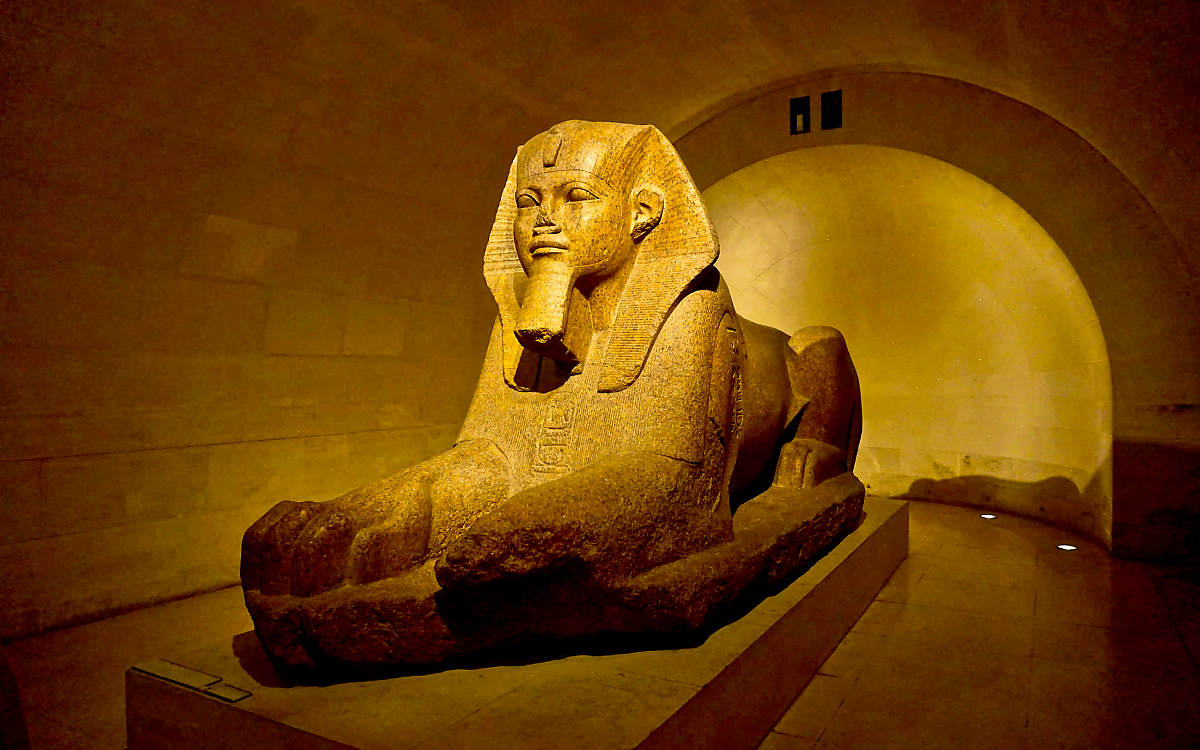
Blog Louvre Great Sphinx of Tanis. Image Credit: Riddywankenobi
Visiting the Louvre Museum in Paris is a dream come true for art lovers and casual travelers alike.
With over 35,000 works of art in its collection, this enormous museum can be both exhilarating and daunting. While most visitors flock to see iconic masterpieces like the Mona Lisa or the Venus de Milo, the Louvre offers far more than these famous highlights. In this in-depth guide, we will take you behind the scenes to discover must-see treasures, hidden gems, and insider tips that will elevate your Louvre experience from ordinary to unforgettable.
A Brief History of the Louvre
The Louvre’s vast galleries and stately halls began life as a 12th-century fortress built to defend Paris against Viking raids. Over the centuries, it was transformed into a luxurious royal residence, and when King Louis XIV moved his court to Versailles, the Louvre became a showcase for the royal art collections. In 1793, during the tumultuous days of the French Revolution, the Louvre was officially declared a public museum. Since then, it has grown to become one of the world’s most visited cultural institutions-welcoming nearly 10 million visitors a year.
Planning Your Visit: Top Tips
Before you set foot in the famed glass pyramid and step back in time through art history, keep these practical travel tips in mind to maximize your experience:
- Purchase Tickets in Advance:
Avoid long lines by buying your tickets online. You can also opt for a timed entry ticket, which allows you to choose a specific time slot. - Opt for Off-Peak Hours:
The Louvre can get crowded, especially during the middle of the day. Visiting in the early morning or later in the evening (Wednesdays and Fridays offer extended hours) helps you explore at your own pace with fewer crowds. - Get the Museum Map:
The Louvre is enormous. Grab a museum map or download the official app to navigate the wings (Richelieu, Denon, and Sully) with ease. - Dress Comfortably:
Comfortable shoes are a must-there is a lot of walking involved. Also, carrying a light jacket or sweater is recommended. Galleries can sometimes be chilly. - Plan for Breaks:
Art fatigue is real. The Louvre has cafés and rest areas where you can recharge before tackling another exhibit or wing.
Must-See Treasures: More Than the Mona Lisa
While La Joconde (the Mona Lisa) is undeniably the most famous resident of the Louvre, there are many other remarkable pieces that deserve a spot on your list. Here are some can’t-miss treasures:
The Wedding Feast at Cana (1563) – Paolo Veronese
Situated in the same room as the Mona Lisa, this colossal painting depicts the Biblical story of Christ’s first miracle. It’s often overlooked by the throngs of people vying for a photo of Leonardo da Vinci’s Mona Lisa, but its grandeur and detail are captivating.
Liberty Leading the People (1830) – Eugène Delacroix
A powerful symbol of revolution and one of the most iconic French paintings. Delacroix’s masterpiece portrays Liberty personified as a fierce woman leading the people of Paris forward in the July Revolution of 1830.
Psyche Revived by Cupid’s Kiss (1787) – Antonio Canova
This enchanting marble sculpture captures a tender moment between Psyche and Cupid. Look closely to appreciate the delicate details, from the softness of the figures’ intertwined limbs to the gentle expression on their faces.
Great Sphinx of Tanis (c. 2600 BC)
One of the largest sphinx statues outside of Egypt, the Great Sphinx of Tanis is located in the Sully wing’s crypt. Its sheer scale and impressive detail offer a glimpse into the grand scope of the Louvre’s Egyptian Antiquities collection.
Winged Victory of Samothrace (c. 190 BC)
This breathtaking marble sculpture of the Greek goddess Nike stands triumphantly at the top of a sweeping staircase. Despite missing her arms and head, the dynamic pose and intricate drapery make this piece truly unforgettable.
Behind the Scenes: Hidden Gems and Little-Known Highlights
Beyond these famous works, the Louvre has plenty of lesser-known treasures waiting to be discovered. Whether you are an art connoisseur or a curious traveler, these behind-the-scenes spots should be high on your list:
The Medieval Louvre
Did you know part of the Louvre’s fortress foundations still exists? Head down to the basement level in the Sully wing to see remnants of the original 12th-century fortifications. Strolling through the medieval moat and ancient walls is a fascinating journey into the museum’s early history.
Anne of Austria’s Summer Apartments
Tucked away in the Richelieu wing, these luxurious Baroque rooms feature ornate ceilings, grand fireplaces, and gilded details. Originally designed for Anne of Austria, mother of Louis XIV, they offer a glimpse into 17th-century royal life.
Egyptian Antiquities
The Louvre’s Egyptian wing is one of the largest outside of Egypt and houses over 50,000 artifacts. Venture beyond the famous Sphinx to explore mummies, sarcophagi, and intricately carved hieroglyphic tablets that bring ancient history to life.
The Galerie d’Apollon
Often overshadowed by the Hall of Mirrors at Versailles, the Galerie d’Apollon is a dazzling masterpiece of gilded ceilings, royal portraits, and exquisite decorations. This gallery also displays the French Crown Jewels, including the Regent Diamond.
Rooms of Rembrandt and Rubens
While some sections of the museum can be crowded, the Dutch and Flemish painting galleries often feel like a peaceful haven. Art enthusiasts can explore works by Rembrandt, Rubens, and Van Dyck in tranquility. If you look closely, you might even discover subtle connections between these Old Masters.
Navigating the Museum: Suggested Itineraries
The Louvre can feel overwhelming given its massive scale. To make the most of your time, consider these curated itineraries:
- Classic Highlights (2-3 Hours):
- Start with the Mona Lisa
- Admire The Wedding Feast at Cana
- Marvel at the Winged Victory of Samothrace
- Gaze upon the Venus de Milo
- Finish with Liberty Leading the People
- Sculpture Focus (3-4 Hours):
- Head to the Great Sphinx of Tanis
- Climb the stairs to see the Winged Victory of Samothrace
- Wander through the sculpture halls for treasures like the Greek Venus de Milo and Canova’s Psyche Revived by Cupid’s Kiss
- End with the Michelangelo Gallery where you’ll find statues by Michelangelo and other Renaissance masters
- A Themed Journey (Half-Day or More):
- Explore the Medieval Louvre to experience the museum’s fortress roots
- Dive into the Egyptian Antiquities
- Visit Anne of Austria’s Summer Apartments and the Galerie d’Apollon for a taste of royal grandeur
Insider Tips and Strategies
- Take Advantage of Guided Tours:
Official guided tours or private tours can help you navigate efficiently and provide insider knowledge about each artifact. - Explore Lesser-Known Corridors:
After hitting the main highlights, branch out into quieter sections. You’ll find surprising works of art without having to jostle through crowds. - Mind the Time of Day:
The museum tends to be busier on weekends and during the middle of the day. If possible, aim for a mid-week visit early in the morning or just before closing. - Break Up Your Visit:
The Louvre is a marathon, not a sprint. Schedule breaks for meals or a leisurely coffee in one of the museum’s cafés. This gives you time to rest your feet and reflect on the incredible art you’ve seen. - Combine It with Other Parisian Landmarks:
The Louvre’s central location makes it easy to combine with nearby attractions such as the Tuileries Garden, Palais Royal, or a stroll along the Seine.
Cultural Etiquette and Courtesy
- Photos:
You’re generally allowed to take photos without flash. However, be respectful of any signs indicating photography restrictions. - Stay Quiet in Galleries:
Many visitors want to contemplate the art in peace. Keep your voice down and refrain from phone calls in the exhibit rooms. - Respect Barriers and Protective Glass:
Some artworks and artifacts are cordoned off for their protection; do not cross barriers or touch the art. - Food and Drink:
Eating is prohibited in the exhibition spaces. Enjoy snacks or drinks in designated café areas or outside the museum.
Enrich Your Experience: Special Exhibitions and Events
The Louvre hosts rotating exhibitions and special events throughout the year. From thematic showcases focusing on certain artists or time periods, to grand-scale retrospectives of world-famous painters, there’s always something new to discover. Check the official Louvre website for current and upcoming exhibitions-you might be able to catch an exclusive display or unique workshop during your visit.
Souvenirs and Shopping
No trip to the Louvre would be complete without a visit to its gift shops. These boutiques offer a wide variety of items, from art prints and books to decorative objects inspired by the museum’s vast collections. For a distinctive souvenir, consider purchasing:
- Exhibition Catalogs:
Perfect for art enthusiasts looking to continue their exploration at home. - Postcards and Prints:
Reproductions of your favorite masterpieces make for timeless keepsakes or gifts. - Art-Inspired Accessories:
From scarves to tote bags, you’ll find unique pieces that let you carry a small piece of the Louvre everywhere you go.
Beyond the Louvre: Exploring the Surroundings
The museum’s prime location in the heart of Paris means you have plenty of options once you step outside:
- Tuileries Garden:
Directly in front of the Louvre, this iconic garden is ideal for a leisurely stroll or a peaceful respite on a bench. - Palais Royal:
Famous for its courtyard adorned with black-and-white striped columns and the tranquil gardens lined with boutiques. - Musée des Arts Décoratifs:
Attached to the Louvre’s Richelieu wing, this museum celebrates the decorative arts and design. - Champs-Élysées and Arc de Triomphe:
A scenic walk along the Seine or through the Tuileries can lead you toward these emblematic Parisian landmarks.
The Louvre’s Lasting Impression
The Louvre is more than just a museum; it’s a testament to the enduring power of art, history, and human creativity. From medieval walls hidden in its lower levels to splendid galleries filled with royal jewels, each corner unveils a fresh facet of our collective heritage. Whether you’re an art aficionado eager to explore every corridor or a curious traveler aiming to see the highlights, the Louvre’s treasures have a way of captivating your imagination.
Take the time to savor each discovery, remembering that even a lifetime might not be enough to see it all. As you step out into the Parisian light with memories of ancient sphinxes, graceful sculptures, and vibrant paintings dancing in your mind, you’ll carry with you an enriching experience that transcends mere sightseeing. The Louvre is, at its core, an immersive journey-one that will undoubtedly leave you longing for a return visit to uncover ever more of its hidden wonders.
Whether this is your first trip or your tenth, there’s always another masterpiece waiting around the corner at the Louvre. So plan your visit well, venture off the beaten path, and savor the experience of standing face-to-face with some of the greatest works of art in human history.