Image Credit: Thomas Despeyroux
The South of France-especially the region of Provence-has captivated travelers from around the world for generations.
Between endless lavender fields, picturesque hilltop villages, and bustling markets brimming with olives and spices, this sunny land radiates a unique atmosphere. People often speak of the “Provençal charm” to describe this blend of striking landscapes, rich culinary traditions, and a lifestyle firmly rooted in Mediterranean culture. In this article, we invite you on an immersive journey through Provence, where you’ll uncover the secrets of its irresistible appeal and gather helpful tips for planning your next adventure to the South of France.
Provence
Provence is not just a geographical region; it’s a state of mind. Located in southeastern France, it stretches from the Alps down to the Mediterranean Sea. Every year, tourists and nature lovers flock here for the warmth of the sun, the beauty of the landscapes, and the sweet Provençal way of life-often referred to as “l’art de vivre.”
Provence’s fame is centuries old. Writers, painters, and travelers have long been inspired by its remarkable light. Artists such as Vincent Van Gogh, Paul Cézanne, and Marcel Pagnol captured the Provençal spirit in their works. The colorful markets, the sing-song accent of the locals, and the region’s legendary hospitality make it a must-visit destination for those wishing to immerse themselves in French culture.
Key highlights of the region:
- Exceptional light: An intense brightness, especially at sunrise and sunset, that has inspired many artists.
- Historic heritage: From Roman ruins (Arles, Nîmes) to medieval fortresses (Les Baux-de-Provence), the region is teeming with treasures waiting to be explored.
- Diverse landscapes: From the Alpine peaks in northern Provence to the beaches of the Côte d’Azur.
Picturesque Villages: The Soul of Provence
When you think of “Provençal charm,” you first picture hilltop villages. Built on rocky outcrops to protect against invasions, these villages often boast incredible views of the surrounding valleys. Stroll through the narrow streets, admire the stone facades, and soak up the authentic local atmosphere.
Gordes, the emble̱m of limestone beauty
Ranked among the Most Beautiful Villages of France, Gordes is a gem perched on a rocky ledge overlooking the Luberon Valley. Its stone houses and imposing castle create a stunning scene-particularly at sunset when the light bathes the facades in a golden glow. Wander the steep alleyways, pause in the village square for a coffee, or explore the local boutiques and art galleries.
Roussillon and its Ochre Trail
A few miles from Gordes, Roussillon stands out for its ochre facades in shades of red, yellow, and orange. The famous Ochre Trail offers a walk through colorful cliffs and old quarries-like a natural painting reminiscent of the American West. It’s a dream spot for photography lovers, as the color palette shifts throughout the day.
Ménerbes, discreet charm
Less famous than Gordes or Roussillon, Ménerbes nonetheless retains a strong character. Surrounded by vineyards and olive groves, it showcases Provence at its most tranquil. Explore its church, fortified gates, and feel the understated elegance pervading the village core.
Other must-see villages
- Lourmarin: Known for its Renaissance château and welcoming cafés.
- Bonnieux: Offering a panoramic view over the Luberon.
- Moustiers-Sainte-Marie: Famous for its faience and proximity to the Gorges du Verdon.
Provençal Landscapes: A Festival of Colors
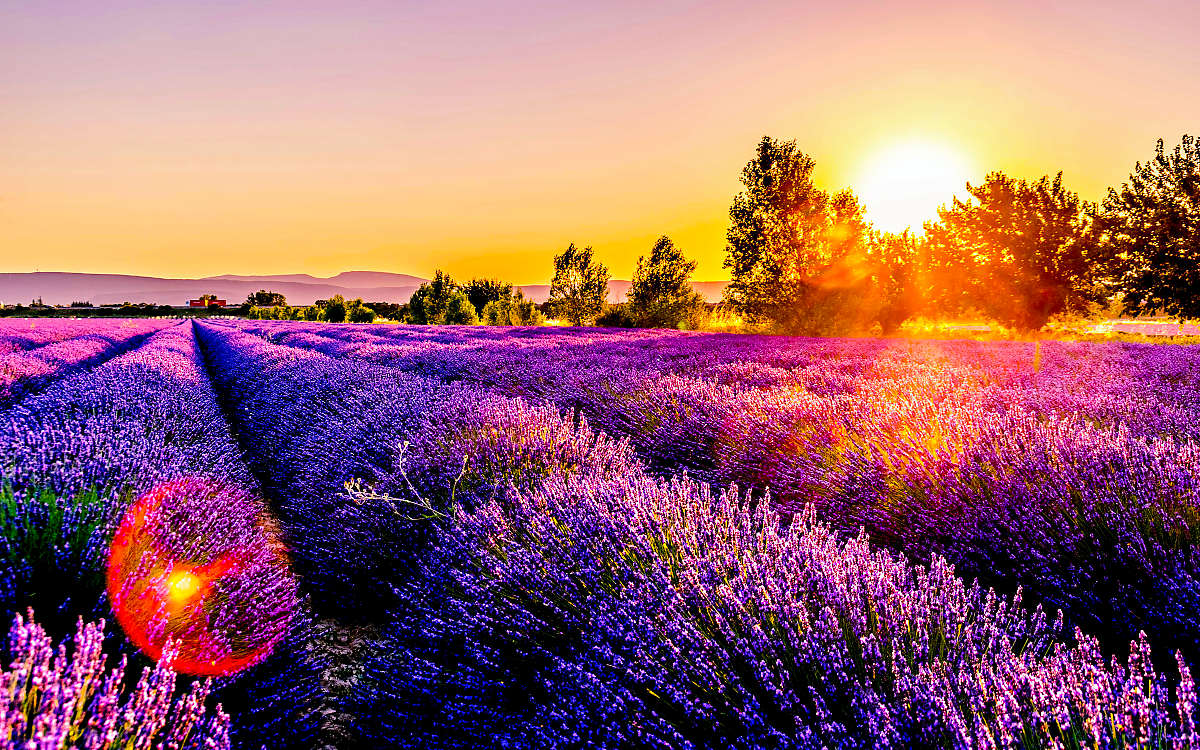
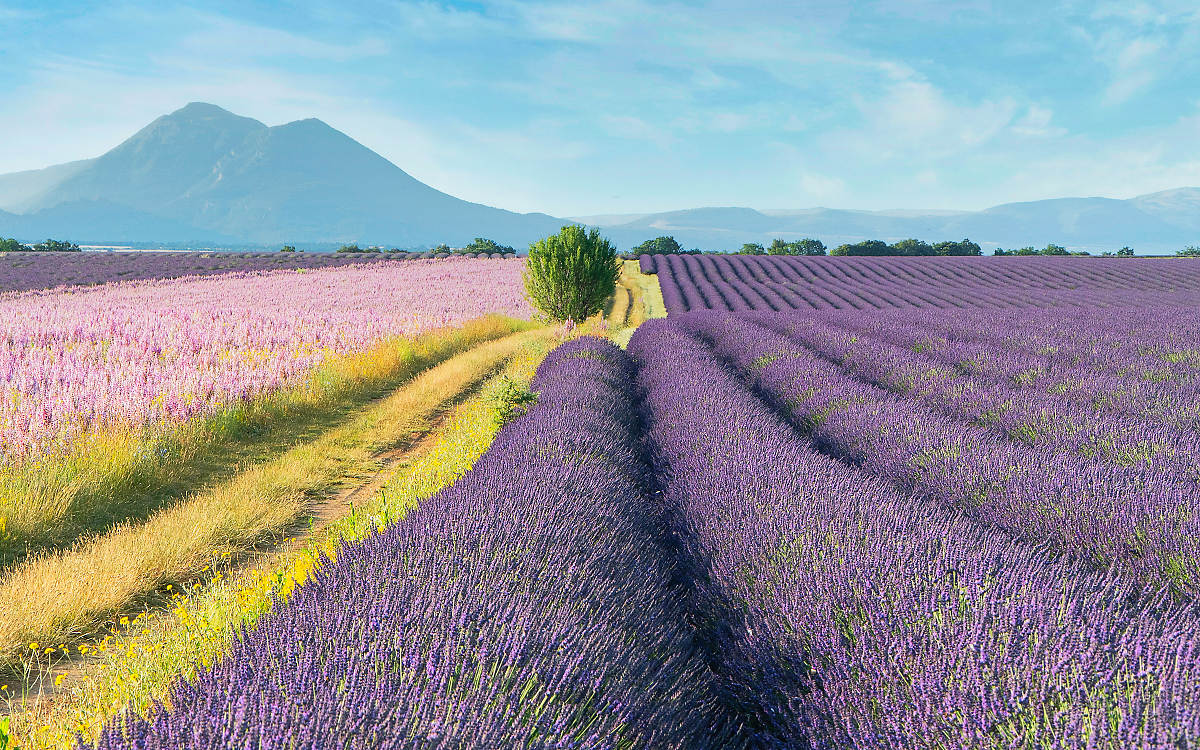
It’s impossible to talk about Provence without mentioning its lavender fields, which from June to August blanket the land in a deep purple hue, filling the air with a heady fragrance. Alongside lavender, poppies, sunflowers, and olive groves create a colorful, striking mosaic.
Lavender, the iconic flower
Lavender is a symbol of Provence in its own right. It typically blooms from mid-June to late July (depending on elevation and weather conditions), drawing visitors from all over the globe. The plateaus of Valensole and Sault are especially known for their endless lavender fields. It’s also an opportunity to visit distilleries producing essential oils, soaps, and cosmetics-and to discover charming villages along the way.
The garrigue and olive groves
The garrigue, typical scrubland of southern France, offers a stark contrast to the fertile plains. Sprinkled with aromatic shrubs (thyme, rosemary, savory), it fills the air with quintessentially Mediterranean scents. Olive groves, meanwhile, spread across sun-soaked slopes, contributing greatly to the region’s gastronomic reputation.
The Mediterranean coast
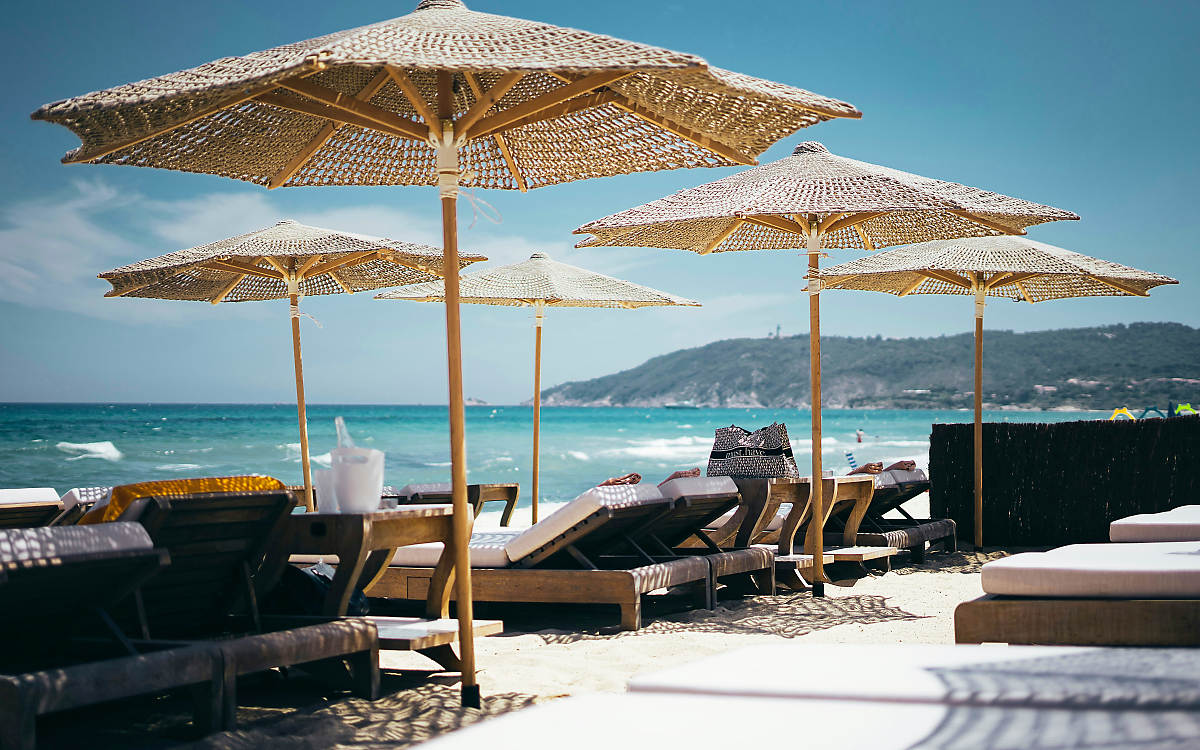
Provence also stretches to the coast, where you’ll encounter the famous French Riviera. The Calanques of Cassis, beaches of soft sand, and dramatic cliffs: the Mediterranean coastline, too, offers many faces. Turquoise waters complete the enchanting backdrop of the countryside, creating an arresting contrast between the deep blue sea and the green pine forests.
The Provençal Way of Life: Markets, Gastronomy, and Traditions
Provençal charm isn’t limited to the region’s natural beauty-it also shines through in its gastronomic culture and a way of life that values friendliness, simplicity, and the celebration of local artisanship.
Vibrant markets
Provençal villages and towns come alive with weekly markets where fruit and vegetable vendors, artisans, grocers, and florists mingle. The stands overflow with fresh produce: tomatoes, zucchini, peppers in various colors, plus olives, Herbes de Provence, and fragrant honey. It’s the perfect place to fill your basket with local specialties and chat with residents in a relaxed, warm atmosphere.
Among the most renowned markets:
- Apt in the Luberon, every Saturday morning.
- Aix-en-Provence, where the Cours Mirabeau’s market dazzles with variety.
- Uzès in nearby Occitania, whose Place aux Herbes is straight out of a postcard.
Provençal cuisine
Olive oil, garlic, and Herbes de Provence (thyme, rosemary, savory, oregano) form the foundation of the local cuisine. Regional specialties like ratatouille, aïoli, or bouillabaisse (on the Marseille coast) have helped put Provence on the culinary map. And don’t forget the AOC (appellation d’origine contrôlée) wines of Provence-known for their light, fruity rosés, perfect for summer dining on a shady terrace.
In Provence, gastronomy is more than a meal: it’s a moment of sharing and enjoyment. Long aperitifs, accompanied by the song of cicadas, are almost an institution. Olives, tapenade, focaccia, and a chilled glass of rosé: a delicious taste of Provençal bliss.
Festive traditions
The Provençal calendar brims with festivals and traditions, often linked to the land and seasonal cycles. The transhumance festival in Saint-Rémy-de-Provence, for instance, celebrates the annual movement of sheep herds to the Alpine pastures each summer. Agricultural fairs, like the Foire aux Santons in Marseille, keep a cherished local craft alive. Summer evenings in the villages often feature lively public dances, fostering a spirit of conviviality that defines this sun-soaked region.
Exploring Cultural Heritage: Museums and Historical Sites
While Provence is known for its bucolic landscapes, its cultural heritage is every bit as remarkable. From ancient Roman sites to modern art museums, the region has preserved and showcased its rich history.
Arles, the “Little Rome of Gaul”
A UNESCO World Heritage Site, Arles is a must-see for history buffs. Its Roman amphitheater, thermal baths, and other remnants bear witness to the empire’s lasting influence. Vincent Van Gogh also lived here, painting some of his most famous masterpieces. A “Van Gogh trail” weaves through the city, guiding you in his footsteps.
Avignon, the City of the Popes
Avignon was the seat of the Papacy in the 14th century, and the Palace of the Popes is one of the largest Gothic buildings in Europe. Overlooking the Rhône, Avignon’s medieval center is also home to its famous Pont Saint-Bénézet, a UNESCO World Heritage Site. Every summer, the city hosts the Festival d’Avignon, a major international event dedicated to theater and the performing arts.
Aix-en-Provence, city of art
Nicknamed the “Florence of Provence,” Aix-en-Provence is famed for its graceful architecture, fountains, and shaded boulevards. Paul Cézanne was born here, and you can explore several museums and exhibits celebrating his legacy. Stroll along the Cours Mirabeau, stop at a café for a calisson-a local confection-and get lost in the history-laden streets of the old town.
Best Time to Visit
Provence enjoys a Mediterranean climate, with hot, dry summers and mild winters. The in-between seasons (spring and autumn) are also delightful, offering moderate temperatures and fewer tourists.
- Spring (March to May): Nature reawakens, markets fill with early produce, and temperatures begin to rise. Poppy fields appear, creating magnificent settings for photography or hiking.
- Summer (June to August): Peak tourist season. Perfect for enjoying festivals and night markets-and, of course, for marveling at lavender fields in bloom until mid-July or early August. On the downside, prices go up, and roads can be crowded.
- Autumn (September to November): Provence takes on golden tones. The weather remains mild, and the tourist crowds thin out. It’s also harvest time, ideal for visiting local vineyards.
- Winter (December to February): Although temperatures can be cooler, winter is the least touristy season. Enjoy peaceful landscapes and discover the region’s famous Christmas markets, where you’ll find handcrafted santons and local products.
Practical Tips for an Unforgettable Stay
- Getting around: Having a car is often the most convenient way to explore Provence, especially if you plan on visiting small, remote villages. However, several cities (Avignon, Aix-en-Provence, Arles) are served by TGV (high-speed trains). Consider renting a car to fully explore the countryside.
- Where to stay: Whether you’re into charming bed and breakfasts, rural gîtes, luxury hotels, or campgrounds, Provence offers it all. In summer, it’s best to book ahead. Some accommodations provide authentic experiences (farm stays, guesthouses in the midst of olive groves) for complete immersion in Provençal life.
- Local delicacies: Be adventurous and try the local specialties right where they originate-tapenade, anchoïade, pistou soup, fougasse… Many vineyards offer tastings as well.
- Respect nature: Provençal landscapes can be fragile, especially in summer when fire risks are high. Stick to marked trails and follow safety guidelines.
Memorable Experiences in Provence
Watching the sunset over lavender fields
Ending the day in a lavender field when the last rays of sun light up those purple blooms is simply magical. Shadows lengthen, the sky turns gold, and the air is perfumed with a soothing floral scent.
Joining a Provençal cooking workshop
An increasing number of chefs and passionate cooks offer workshops to learn how to prepare regional dishes. From making a traditional ratatouille to crafting an authentic bouillabaisse, you’ll see firsthand how fresh, local ingredients are the cornerstone of Provençal cuisine.
Getting lost in the Calanques of Cassis
Between Marseille and Cassis, the Calanques National Park reveals an extraordinary coastline of turquoise coves carved into white cliffs. Some of these inlets are accessible by boat or via sometimes steep hiking trails. Expect breathtaking views!
Exploring the wild Camargue
To the west of Provence lies the Camargue, a haven for nature lovers. Its salt marshes, rice paddies, and expansive beaches are home to pink flamingos, black bulls, and white horses. A horseback ride or boat tour in this regional nature park is a guaranteed escape from everyday life.
Provençal Charm
Provençal charm is far more than a pretty postcard-it’s the result of a harmonious blend of rich history, thriving traditions, stunning landscapes, and a lifestyle that celebrates openness and conviviality. Each season brings its own delights: lavender fields in summer, grape harvests in autumn, festive holiday markets in winter, and wildflowers in spring. There’s something for everyone.
Whether you’re a nature enthusiast, history buff, foodie, or a traveler in search of tranquil moments, Provence will surely win you over. Take time to stroll, savor local dishes, chat with residents, and marvel at how the light changes over the hills. Only then will you truly grasp the essence of Southern France.
Ready to embark on a journey through Provence? Don’t forget to share your favorite discoveries-because the region’s true beauty and bounty are most often passed along by word of mouth. And that, perhaps, is Provence’s greatest secret.