
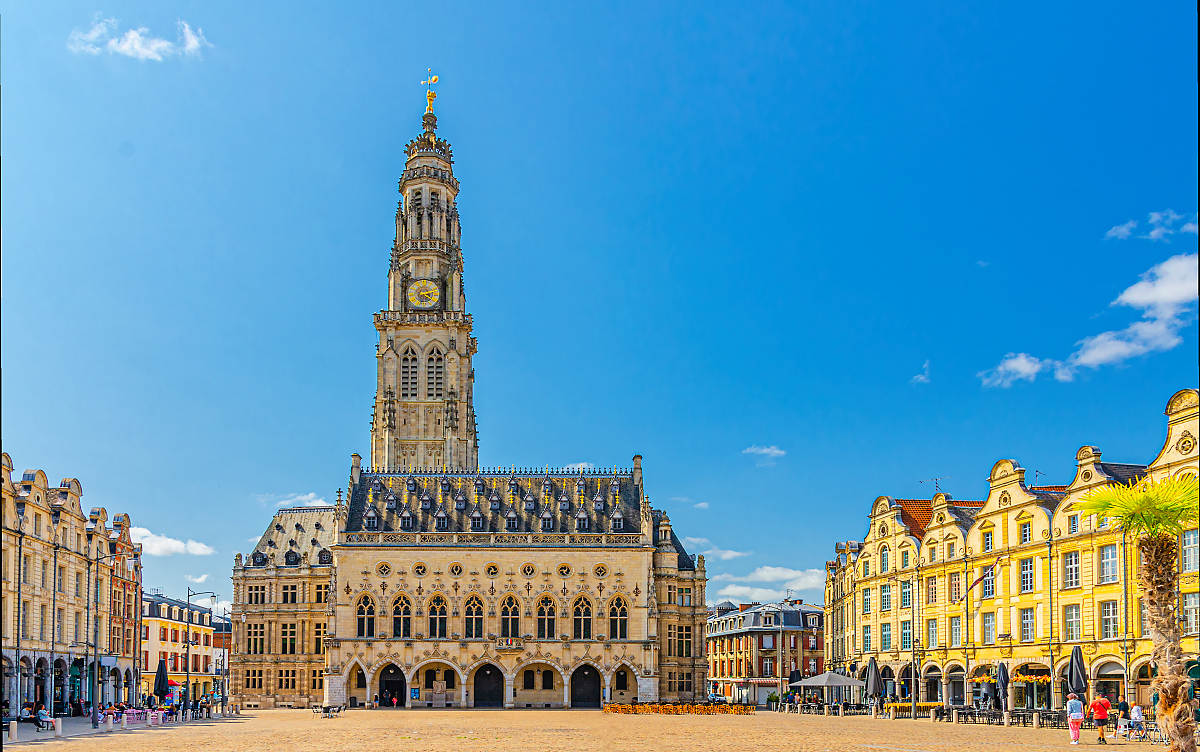
Belfries of France
Belfries of France
France is renowned for its stunning landscapes, romantic cities, and world-famous monuments.
Yet, one often-overlooked gem lies in the northern regions that border Belgium: the extraordinary Belfries of Belgium and France. These historic towers, collectively inscribed as a UNESCO World Heritage Site, hold centuries of cultural and architectural value. From their medieval origins to their modern-day significance, the belfries offer visitors a unique window into the heart of Europe’s shared heritage. If you’re looking for a memorable travel experience steeped in history, art, and local traditions, consider exploring the belfries that stand proudly in both Belgium and France.
When planning a trip to northern France or southern Belgium, you might first think of bustling cities like Lille or Brussels. But among the region’s iconic structures, the belfries command attention with their monumental presence and fascinating stories. These towers originally functioned as civic and religious symbols, representing community autonomy, independence, and the municipalities’ growing power during the Middle Ages. Today, travelers can climb these historic spires, gaze out over quaint rooftops, and immerse themselves in a cultural tapestry that few other destinations can rival.
Historical & Cultural Background
Origins & Construction
The belfries emerged around the 11th and 12th centuries, primarily in towns that were blossoming as centers of trade and administration. Thanks to prosperous commerce routes, the local citizenry had the resources to construct imposing towers designed to protect the city’s charters and sometimes double as watchtowers or bell-towers. These bells served vital purposes-marking important events, announcing celebrations, and warning inhabitants of impending dangers. Over time, the function of belfries evolved from straightforward watchtowers into multi-purpose buildings for administrative and civic pride.
Key Historical Events
Throughout the Middle Ages and into the Renaissance, the bells housed within these towers were rung to rally citizens, celebrate coronations, and signal significant occurrences. Wars and conflicts also shaped the belfries as crucial vantage points. For instance, many belfries played roles in the Franco-Burgundian wars, the French Revolution, and even the World Wars, where towns used the towers as lookout points. Each belfry has its own chapter in the region’s turbulent past, bearing the marks of reconstruction efforts and preservation movements.
Cultural Significance
In historical Europe, owning a belfry was more than just a sign of wealth; it represented municipal liberties and independence. Townsfolk would gather around the base of these towers for public meetings, festivities, and communal events. The belfry bells themselves became voices of the communities, echoing the day’s announcements across the cobbled streets. Even now, these bells continue to ring in daily life, maintaining a link with traditions that have spanned centuries.
Architectural & Cultural Significance
Style & Design
Each belfry bears a unique architectural fingerprint, yet they share defining elements such as a tall stone or brick tower crowned with a spire. Many are adorned with ornate arches, sculpted adornments, and clock faces, reflecting Gothic or Romanesque influence. Some belfries fuse multiple styles due to expansions and reconstructions over centuries. As you stroll through different towns, you’ll find decorative flourishes such as gargoyles, turrets, or delicate tracery windows, showcasing the craftsmanship that evolved with each period.
Symbolism & Cultural Impact
Symbolically, belfries stand for unity and civic freedom. Historically, only free cities could boast such impressive towers, signifying that they were self-governing and recognized by nobility or the monarch. Today, these structures remain central to local identities. They host cultural gatherings, music recitals, and city-wide celebrations. Many visitors attend special bell-ringing events or guided tours to appreciate their historical and spiritual resonance.
Recognition & Awards
The importance of these towers transcends local borders. In 1999, UNESCO recognized several belfries in Belgium, and in 2005, additional towers in northern France were added, broadening the transnational ensemble under the collective title “Belfries of Belgium and France.” This UNESCO inscription highlights their architectural variety, cultural importance, and well-preserved historical value, placing them among Europe’s must-see heritage sites.
UNESCO World Heritage Membership
By joining UNESCO’s prestigious list, the Belfries of Belgium and France gained global acknowledgment for their remarkable contribution to human history. This status ensures that both local and international stakeholders invest in preservation, enabling these towers to remain standing for future generations. UNESCO’s recognition also fosters cultural exchange, encouraging travelers worldwide to discover the layered narratives embedded in the belfries’ stones, bells, and historic charters.
Must-See Highlights
Must-See Elements
Not all belfries are open to the public, but many offer guided tours that highlight specific features-such as centuries-old bell sets or panoramic terraces overlooking medieval streets. Climb the Belfry of Arras in France for an extensive view of the Grand’ Place below, or visit the Belfry of Tournai in Belgium, known for its UNESCO-listed cathedral next door. In some cases, the belfries are attached to historic city halls, such as the Belfry of Douai, which boasts a melodic carillon heard throughout the year.
Special Artifacts or Exhibits
Inside certain belfries, visitors can explore museum-like displays featuring ancient city charters, original bell-making tools, and historical documents that provide insight into the tower’s civic role. Larger belfries may host exhibits detailing how timekeeping advanced through the use of monumental clocks. These immersive displays let you appreciate how daily life was regulated by the bells, and how the towers stood as a symbol of civic pride and local governance.
Events & Activities
From carillon concerts to historic reenactments, the belfries serve as focal points for cultural celebrations. Some cities stage annual Bell Festivals, where musicians perform on centuries-old instruments. Tour operators may coordinate historical walks that culminate at the base of the belfry with a short concert. It’s worth checking local schedules in advance, as you could time your visit to witness a majestic, live bell performance.
Tours & Special Exhibits
Many local tourism offices offer themed tours that guide you from one belfry to another. These itineraries often include specialized tours focusing on art, architecture, or medieval craftsmanship, giving you a more profound understanding of what each tower symbolizes. Some towns provide audio guides or smartphone apps, so you can walk at your own pace and explore lesser-known details-like hidden carvings, or the remains of medieval fortifications-along the way.
Visitor Information & Practical Tips
Location & Getting There
The Belfries of Belgium and France span a wide geographic area, primarily in the northern regions of both countries. Major travel hubs include Lille in France and Brussels in Belgium. From these cities, regional trains, buses, or rented cars can easily help you reach your chosen destination. If you’re flying in from abroad, airports like Paris Charles de Gaulleor Brussels Airport serve as convenient entry points, with connections to local transportation.
Duration & Planning
How long you spend exploring these belfries depends on your travel style. A weekend trip may suffice for visiting one or two towns, but a more in-depth tour could last several days if you want to explore multiple belfries. If you’re into history or architecture, allocate extra time to visit museums or attend local events. Online resources and regional tourism offices can help you shape a route that maximizes your time and interests.
Facilities & Amenities
Most belfries in larger cities come with well-developed tourist amenities-cafés, souvenir shops, restrooms, and visitor centers. In smaller towns, facilities may be more modest, but you’ll often find charming local restaurants and shops. Plan to wear comfortable shoes for climbing steep steps, and bring water if you’re visiting during warmer months.
Accessibility
Bear in mind that many belfries date back centuries. Some have been retrofitted with elevators or ramps, but not all are fully accessible for individuals with mobility challenges. Before setting out, check each tower’s accessibility measures. If climbing isn’t an option, you can still enjoy the belfry’s exterior architecture, local exhibits, and museums that often offer ground-level attractions.
Best Time to Visit & Special Events
Seasonal Insights
Northern France and Belgium experience mild summers with pleasant temperatures, making June to September a popular time to visit. However, these months can be busy, especially in tourist-favored towns. If you prefer fewer crowds and don’t mind cooler weather, consider spring (April-May) or autumn (September-October). Winter can be cold and wet, but it offers an atmospheric setting-think festive lights and fewer lines.
Festivals & Annual Events
Various local festivals, often tied to religious or historical occasions, breathe life into the belfries. One highlight is the Belfry Carillon Concert Series, running from spring to late summer in several towns. Christmas markets in December are another treat, with the belfries illuminated as part of the holiday festivities. Keep an eye out for regional fairscelebrating local produce and traditions; these events often take place in the squares at the foot of the tower.
Local Holidays
Both France and Belgium observe national holidays that might affect opening hours, public transportation, or the availability of guided tours. During Bastille Day (July 14) in France and Belgian National Day (July 21) in Belgium, you’ll find additional festivities, like fireworks and concerts. However, expect that some museums or tourist offices might close or reduce hours on these dates.
Nearby Attractions & Local Amenities
Local Surroundings
One of the best aspects of touring the Belfries of Belgium and France is their location in enchanting cities and towns. Many belfries sit adjacent to vibrant market squares lined with shops and terraces. This makes it easy to combine a tower visit with a stroll through cobbled lanes, a break at a local café, or a detour to nearby museums.
Dining Options
Northern France and Belgium are gastronomic havens. From Belgian waffles and frites to French crêpes and moules marinières, the region presents a flavorful tapestry of culinary delights. Town squares near the belfries typically host a variety of restaurants catering to different budgets. Look for local specialties such as Flemish carbonnade (a slow-cooked beef stew) or potjevleesch (a terrine of white meats) paired with freshly brewed beers.
Cultural & Historical Sites
Your belfry itinerary can be easily combined with other cultural landmarks. In Belgium, cities like Ghent and Brugesboast canals, Gothic churches, and art museums. In northern France, you can explore the Old Stock Exchange in Lille, the Citadel of Arras, or even take a day trip to the Battlefields of the Somme. Each region brims with stories that interweave seamlessly with the history of the belfries.
Insider Tips & Etiquette
Photography Rules
Photography is typically allowed in most belfries, but flash and tripod usage may be restricted to preserve artifacts and avoid disturbing other visitors. Always check posted signs or ask a guide for clarification. For those iconic panoramic shots, be prepared to navigate narrow spiral staircases-so keep your camera secure and watch your step.
Dress Code or Conduct
There isn’t a strict dress code to enter belfries, but comfortable clothing and sturdy shoes are highly recommended. Some towers remain unheated and can be chilly, even in warmer months. Keep in mind that noise can echo dramatically in these old stone spaces, so be considerate of fellow travelers and staff.
Safety and Security
The belfries are generally safe to visit. However, as with any travel destination, keep an eye on personal belongings, especially in crowded areas. When climbing the tower steps, take breaks if needed-some towers have more than a hundred steps to reach the top. Always follow official guidelines, and if a section is roped off, respect the boundary to avoid structural hazards.
Money-Saving Strategies
To save on entrance fees, look into city passes or combined tickets that grant access to multiple attractions, including the belfries. Many tourism offices offer discount cards or vouchers for guided tours, local transport, and partner museums. Traveling during off-peak seasons can also result in lower accommodation and transport costs, leaving more in your budget for souvenirs and local meals.
Discover the Belfries of France and Belgium
The Belfries of Belgium and France serve as a captivating gateway to Europe’s rich medieval past, blending aesthetic grandeur with profound historical resonance. Whether you’re an architecture aficionado, a history buff, or simply in search of a unique travel experience, these towers provide an immersive journey through centuries of cultural evolution.
As you wander their spiraling staircases and gaze out over the tapestry of rooftops, you’ll connect with the shared heritage that shaped modern Europe. With thoughtful planning-taking note of accessibility, local events, and gastronomic delights-you can craft an unforgettable trip to explore these majestic belfries, each telling its own chapter in the vivid story of civic independence and artistic achievement.
Embark on this scenic adventure through northern France and Belgium, and let the rings of the ancient bells guide you from one enchanting belfry to another. It’s not just a visit-it’s a cultural odyssey that transcends borders and centuries, leaving you with a deeper appreciation for the enduring spirit of these communities.