
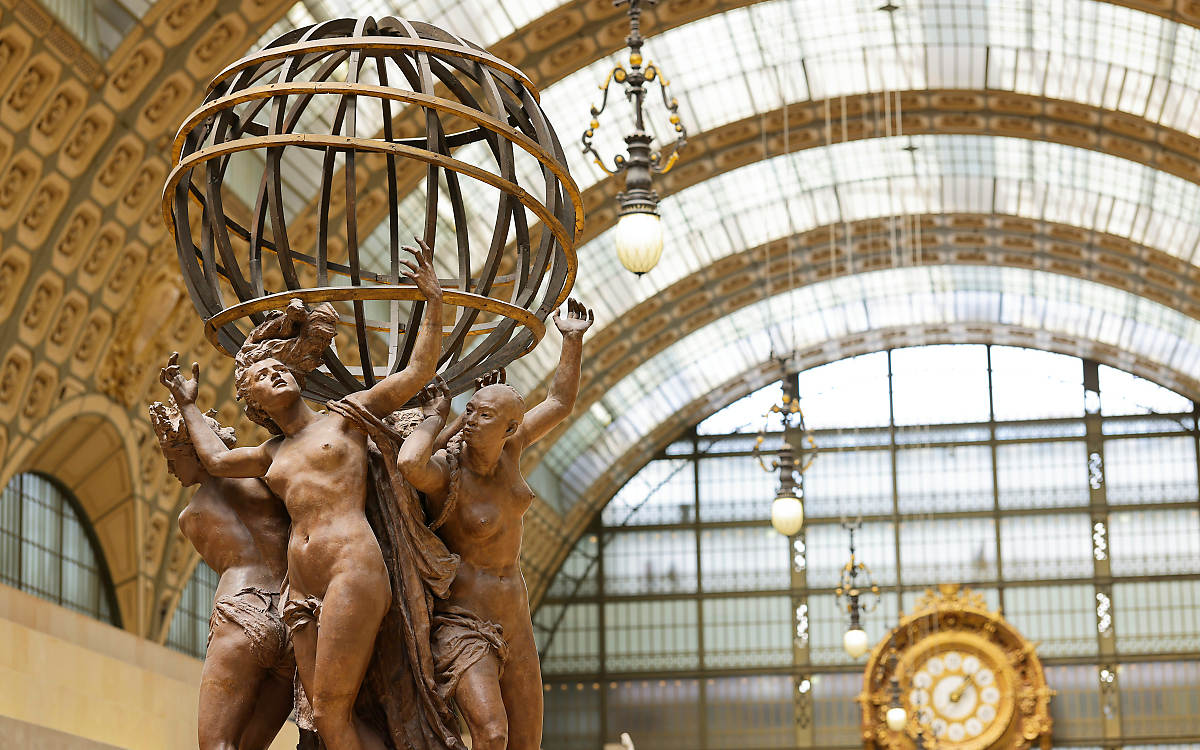
Image Credit: Julia Anseele
Musée d’Orsay
Paris is a city renowned for its rich cultural tapestry, vibrant neighborhoods and legendary art scene.
From the iconic Eiffel Tower to the medieval charm of Notre-Dame Cathedral, there is no shortage of attractions to captivate the curious traveler. Yet, for art lovers and enthusiasts of history, a trip to the French capital would be incomplete without visiting the illustrious Musée d’Orsay (Orsay Museum).
Housed in a former railway station on the Left Bank of the Seine, this museum is a testament to French art and ingenuity, particularly from the mid-19th to early-20th century. Join us as we delve into the museum’s fascinating past, explore its world-class collections and provide you with all the practical information you need to plan the perfect visit.
About the Museum
Historical Background
The Musée d’Orsay was originally constructed as the Gare d’Orsay, a railway station built for the 1900 Exposition Universelle (World’s Fair). Designed by architect Victor Laloux, the station’s ornate façade and modern indoor facilities were the talk of the town. However, as train technology advanced and longer platforms became necessary, Gare d’Orsay’s central location and comparatively short tracks rendered it obsolete for long-distance travel by the 1930s.
Facing demolition in the 1970s, the building was saved by public outcry and a visionary plan by the French government. The idea was to repurpose this elegant station into a museum dedicated to art from the mid-19th century to the early 20th century-effectively bridging the gap between the collections of the Louvre (up to 1848) and the Centre Georges Pompidou (modern and contemporary art). The museum officially opened its doors in 1986, instantly becoming a premier destination for art aficionados worldwide.
Architectural and Cultural Significance
Despite undergoing significant interior renovations, Musée d’Orsay maintains much of its original Beaux-Arts charm. The soaring, vaulted glass ceiling, the iconic station clock and intricate metalwork pay homage to the building’s railroad origins. This architectural fusion of past and present makes for a unique museum ambiance-where elegant 19th-century details merge seamlessly with modern design elements.
Culturally, the museum stands as an important symbol of French artistic heritage, spotlighting the transformative period that gave the world Impressionism, Post-Impressionism and the birth of Modern Art. It houses some of the finest works by celebrated French masters, including Claude Monet, Edgar Degas and Édouard Manet.
Relevance to French and World Heritage
The collections at Musée d’Orsay represent a pivotal chapter in art history, reflecting the social, political and technological changes that shaped modern Western society. The museum’s dedication to preserving and exhibiting these masterpieces ensures that visitors can trace the evolution of art-from the structured realism of the mid-19th century to the avant-garde movements that dominated the early 20th century. This legacy has cemented the Musée d’Orsay’s reputation as not just a French cultural treasure, but a beacon of global heritage.
Collections and Exhibitions
Permanent Collections
The permanent collection of Musée d’Orsay is best known for its Impressionist and Post-Impressionist artworks. Paintings, sculptures, decorative arts and photographs fill the museum’s halls, offering an unparalleled journey through the evolution of art between 1848 and 1914. Some notable sections include:
- Academic and Pre-Impressionist Art (featuring works from Ingres, Delacroix and more)
- Impressionist Masterpieces (works by Monet, Renoir, Degas)
- Post-Impressionist Innovations (Cézanne, Van Gogh, Gauguin, Seurat)
- Symbolist and Art Nouveau Pieces
Interactive or Multimedia Elements
Modern technology merges harmoniously with 19th-century artistry at the Musée d’Orsay. Interactive displays and multimedia terminals provide context about the artists, the themes of their work and the socio-political climate that inspired their creations. Visitors can explore these features to gain deeper insights, watch short documentaries and view high-resolution magnifications of delicate brushstrokes.
Other Temporary Exhibitions
The Musée d’Orsay regularly hosts temporary exhibitions that spotlight specific themes or artists. These can range from exploring the work of a single master to examining broader trends, such as the influence of Japanese art on French Impressionists. Keep an eye on the museum’s official website to find out about current and upcoming exhibitions, as they often feature rare artifacts or paintings on loan from other world-class institutions.
Must-See Highlights
1. Van Gogh’s “Starry Night Over the Rhône”
While Van Gogh’s more famous “Starry Night” is located at New York’s Museum of Modern Art, the “Starry Night Over the Rhône” at Musée d’Orsay is an equally mesmerizing masterpiece. Painted in 1888, it captures the shimmering lights of Arles reflected on the Rhône River under a star-speckled sky.
2. Monet’s “Water Lilies” Series
Although certain panels of Monet’s famed “Water Lilies” reside at the Musée de l’Orangerie, Musée d’Orsay also boasts a stunning selection of his water lily paintings. These works highlight Monet’s fascination with light and reflection, transporting viewers to the artist’s peaceful garden in Giverny.
3. Renoir’s “Dance at Le Moulin de la Galette”
Arguably one of Pierre-Auguste Renoir’s most famous works, this painting offers an enchanting glimpse into Parisian leisure life in the late 19th century. The piece masterfully captures movement, light and the joyful atmosphere of an outdoor dance hall on a Sunday afternoon.
4. Degas’ Ballerinas
Edgar Degas had a lifelong fascination with ballet and dancers. His sculptures and paintings of ballerinas showcase both the grace of their poses and the painstaking detail of movement. Keep an eye out for his iconic sculpture, “Little Dancer Aged Fourteen,” and the pastel paintings depicting rehearsals.
5. The Grand Station Clock
Before leaving, don’t forget to admire and photograph the large station clock facing the Seine. This monumental piece is as much a part of the museum’s identity as the artworks it houses and offers a quirky reminder of its past as a bustling railway hub.
Visitor Information
Location & Getting There
- Address: 1 Rue de la Légion d’Honneur, 75007 Paris, France
- Metro: The closest Métro station is Solférino (Line 12).
- RER: Musée d’Orsay station on RER Line C.
- Bus: Several buses stop in the area, including lines 24, 63, 68, 69 and 73.
If you are staying in central Paris, you can easily reach the museum by foot along the Seine or via a short taxi ride.
Facilities & Amenities
Inside the museum, you will find:
- Cloakrooms for coats, umbrellas and small bags
- Restrooms on multiple floors
- Gift shops offering art books, souvenirs and replicas
- Restaurants and cafés for a quick bite or a full meal
Recommended Duration
To fully appreciate the permanent collection and any special exhibitions, plan for 3-4 hours. However, if you are an ardent art lover wanting to absorb every detail, you could easily spend the entire day exploring the galleries and interactive exhibits.
Accessibility
The Musée d’Orsay is dedicated to ensuring a comfortable experience for all visitors. The museum offers:
- Wheelchair access via elevators and ramps
- Priority entrances for individuals with limited mobility
- Wheelchairs and folding chairs available upon request
- Guided tours with sign language interpretation on specific schedules
Guided Tours and Educational Programs
Official Museum Tours
The museum provides official guided tours led by knowledgeable docents. These tours, which last around 90 minutes, offer rich insights into the museum’s key masterpieces and the historical context surrounding them. For those who prefer a more flexible experience, audio guides are available in multiple languages.
Workshops & Events
Throughout the year, the Musée d’Orsay hosts art workshops, lectures and special events, many of which are family-friendly. Activities might include sketching lessons in the galleries, art history talks and thematic tours dedicated to a particular movement or artist.
Group Visits
Large groups can reserve private tours or specialized programs that focus on particular themes like Impressionism, sculpture or the influence of photography. Booking in advance is highly recommended, especially during peak season or when major exhibitions are on display.
Insider Tips
Best Times to Visit
- Weekday Mornings: Arriving close to the museum’s opening time can help you avoid the largest crowds.
- Late Afternoon: Another option is to visit in the late afternoon, as many tour groups leave by then.
- Avoid Tuesdays: Note that the Musée d’Orsay is closed on Mondays, which makes Tuesdays a bit busier since travelers who missed Monday often reschedule for Tuesday.
Photography & Rules
- Photography (without flash) is generally allowed in most areas of the museum. Always check for signs indicating no photography zones (especially in certain temporary exhibitions).
- Using flash or tripods is prohibited.
- Keep noise levels low and avoid touching any artworks or displays.
Apparel or Behavior Guidelines
Opt for comfortable footwear, as you will be doing plenty of walking. While there is no strict dress code, wearing casual yet respectful attire is always advised in museums. If you are carrying a backpack, be prepared to wear it on your front or store it in a cloakroom to prevent accidentally brushing against artworks.
Money-Saving Tips
- Free Entry: European Union residents under 26 often enjoy free or discounted admission. Additionally, the museum may offer free entry on the first Sunday of certain months-check the official website for current details.
- Paris Museum Pass: If you plan on visiting multiple museums and monuments in Paris, the Paris Museum Pass can be cost-effective and includes skip-the-line benefits for certain sites.
- Advance Tickets: Buying tickets online in advance can help you skip the ticket queue and sometimes comes with a small discount.
Nearby Attractions
What to See Around the Museum
Located in the heart of Paris, Musée d’Orsay is close to several major attractions:
- Louvre Museum: Cross the Seine via the pedestrian bridge, Passerelle Léopold-Sédar-Senghor, to reach the Louvre in under 15 minutes.
- Tuileries Garden: Perfect for a leisurely stroll or a quick picnic, situated right in front of the Louvre.
- Musée de l’Orangerie: Home to an extensive collection of Monet’s “Water Lilies” murals, just a short walk across the Tuileries.
- Champs-Élysées and Place de la Concorde: Easily accessible for an afternoon of shopping or sightseeing.
Recommended Itineraries
- Half-Day Cultural Tour: Start at the Musée d’Orsay in the morning, then walk through the Tuileries Garden to the Louvre.
- Full-Day Art Extravaganza: Spend the morning at Musée d’Orsay, enjoy lunch nearby and then head to Musée de l’Orangerie or hop across town to explore the Centre Pompidou.
Local Dining
Local Cuisine & Restaurants
The area around Musée d’Orsay offers a variety of dining options that cater to different budgets and tastes. Traditional French brasseries, cozy bistros and upscale restaurants all populate the neighboring streets. Look for dishes like escargots, onion soup or a classic steak frites to indulge in typical French flavors.
Cafés or Bistros Nearby
- Café Campana (Inside the Musée d’Orsay): Designed by the Campana Brothers, this stylish café offers a panoramic view of the Seine. They often feature a “museum special” that includes a light meal and a drink.
- Le Café de l’Esplanade: Located a short stroll away near Les Invalides, this chic café is popular for its croque-monsieur and French pastries-perfect for a midday break.
- Brasserie de la Tour: A classic Parisian brasserie offering daily specials and a selection of regional wines.
Bonus: “Museum Special” or Typical French Delicacies
Many cafés around the museum offer a prix fixe menu or a “menu du jour” that highlights seasonal French dishes. Keep an eye out for a “museum special,” which might include a discounted entrée and dessert combo perfect for fueling up between museum visits. If you are feeling adventurous, try local specialties like confit de canard (duck confit) or tarte tatin (caramelized apple pie).
Visit Musée d’Orsay
A visit to the Musée d’Orsay is much more than a museum stop; it is a journey through France’s artistic evolution in a building steeped in history. Whether you are an ardent admirer of 19th-century masterpieces or simply curious about the impressionist movement that forever changed the art world, the museum offers a mesmerizing experience. Its meticulously preserved architecture, world-class collections and convenient location near other iconic landmarks make it a must-see in Paris.
Plan your trip strategically to avoid the biggest crowds, explore interactive exhibits and indulge in nearby French cuisine. By following our insider tips and taking advantage of guided tours, you will come away with not only vivid memories but also a deeper understanding of how art reflects and shapes our cultural heritage. When you step outside, the Left Bank of the Seine awaits-inviting you to continue your Parisian adventure, inspired by the masterpieces you have just witnessed at the Musée d’Orsay.
Bon voyage et amusez-vous bien!
Address: Museum of Orsay, 1, Rue de la Légion d'Honneur, Quartier Saint-Thomas-d'Aquin, 7th Arrondissement, Paris, Metropolitan France, 75007, France