
Lille
Lille
Nestled in northern France near the Belgian border, Lille has been quietly enchanting travelers with its vibrant culture, exquisite culinary traditions and inviting atmosphere.
This often-underrated city offers an alluring mix of rich history, stunning architecture and modern energy that makes it a must-see destination for any France itinerary. Whether you are an aficionado of fine wines, a passionate foodie or a curious traveler eager to explore an authentically French locale, Lille has something for everyone. In this comprehensive guide, you will find everything you need to plan your trip, from the best time to visit to off-the-beaten-path experiences you won’t want to miss.
Welcome to Lille
Located in the Hauts-de-France region, Lille is one of the country’s most charming cultural hubs. Known for its famous Flemish-inspired architecture and friendly locals, the city exudes a warm welcome even on a chilly day. Lille’s history as a significant trading center has left it with a multicultural tapestry evident in everything from the architecture to its gastronomy.
A vibrant student population from its many universities keeps Lille buzzing year-round. Artistic events, festivals and an ever-growing food scene ensure that you will have plenty to explore at any time of year. Whether you are wandering through the cobblestone streets of Vieux-Lille or taking in panoramic views from the Citadelle, Lille’s unique blend of French and Flemish influences is guaranteed to charm you.
Best Time to Visit
Lille experiences an oceanic climate, which means moderate temperatures but relatively frequent rainfall, especially in autumn and winter. However, the city’s weather is rarely extreme, making it a comfortable place to visit almost any time of the year.
- Spring (March–May): Mild temperatures and blooming flowers make for a romantic ambiance. Crowds are fewer and you will have a better chance of snagging off-peak accommodation deals.
- Summer (June–August): Pleasantly warm temperatures in the low to mid-20s °C (70s °F). This is also when the city hosts numerous festivals, so expect busier streets and higher hotel rates.
- Autumn (September–November): If you are a fan of milder weather and fewer tourists, early autumn is excellent. The famous “La Braderie de Lille,” one of Europe’s largest flea markets, takes place in early September.
- Winter (December–February): Although it can be chilly and wet, Lille’s Christmas market is a festive highlight and you can warm up with delicious hot chocolate or mulled wine in the city’s cozy cafés.
Best time to visit: Late spring or early autumn for fewer crowds, moderate weather and relatively better prices.
Top Attractions
Vieux-Lille (Old Town)
The heart of Lille’s historical and cultural identity, Vieux-Lille is characterized by its winding cobblestone streets, Flemish-inspired facades and quaint little squares. Highlights include beautifully restored 17th-century buildings and designer boutiques that occupy centuries-old storefronts.
Grand Place (Place du Général-de-Gaulle)
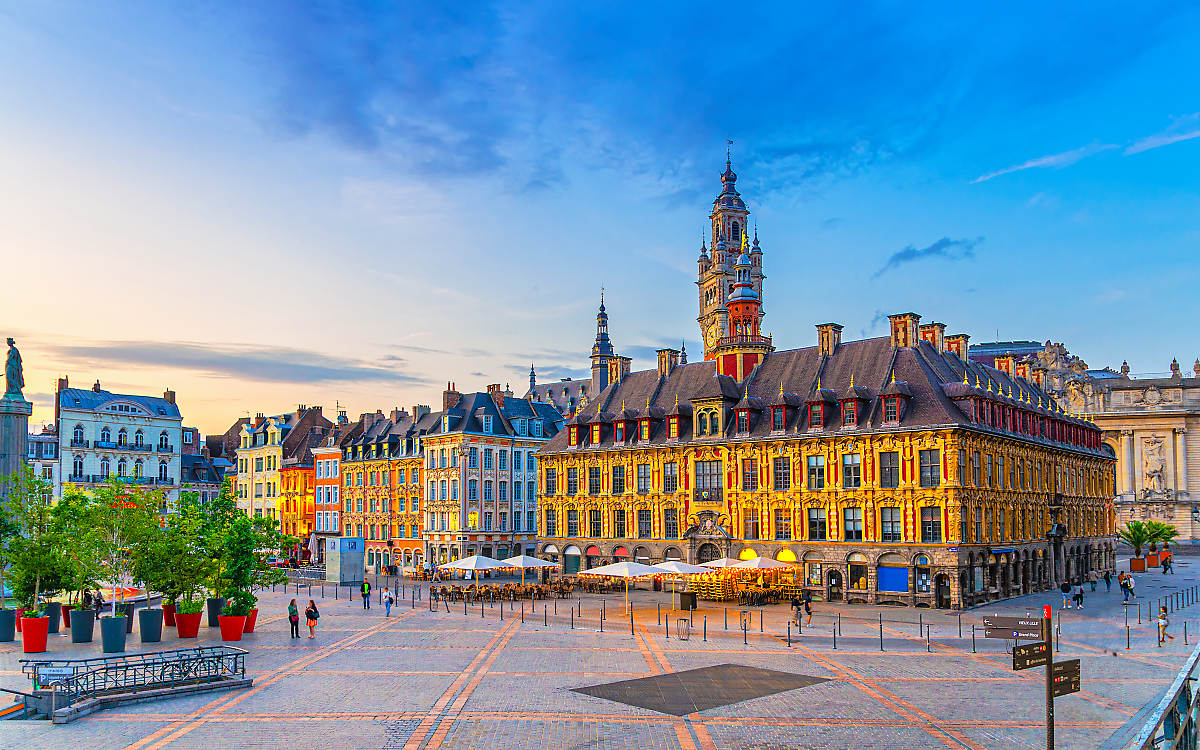
No trip to Lille would be complete without a visit to the Grand Place. This central square features the iconic Vieille Bourse (Old Stock Exchange), a majestic 17th-century building considered one of Lille’s most beautiful architectural treasures. Stop by in the late afternoon to catch a second-hand book market or watch locals mingling under the statue of La Déesse, a symbol of Lille’s resistance against Austrian siege.
Palais des Beaux-Arts
Ranked as one of the largest art museums in France (after the Louvre in Paris), the Palais des Beaux-Arts boasts an impressive collection of paintings, sculptures and ceramics from European masters like Rubens, Van Dyck and Goya. The building itself is a grand architectural masterpiece and the museum frequently hosts special exhibitions that deepen appreciation for artistic movements throughout Europe.
Citadelle de Lille
Commissioned by King Louis XIV and designed by the famous military engineer Vauban, the Citadelle de Lille is a star-shaped fortress located within a tranquil park. The area is ideal for strolls, jogging, picnics and bike rides. Guided tours of the citadel are also available, offering a glimpse into the city’s military history.
Notre-Dame de la Treille Cathedral
A modern yet neo-Gothic structure, the Notre-Dame de la Treille Cathedral offers a striking facade crafted from marble that lets light filter in, creating a unique luminosity within. Step inside to see the blending of old and new—stained-glass windows and contemporary art installations that pay homage to Lille’s innovative spirit.
La Piscine Museum (in Roubaix)
If you have extra time, consider a short trip to Roubaix, just outside Lille, to visit the renowned La Piscine Museum. Housed in a former Art Deco swimming pool, this museum offers a fascinating blend of fine arts and applied arts. The original pool structure has been beautifully preserved, making it a must-see for art and architecture enthusiasts.
Activities
Family-Friendly Fun
- Parc Zoologique de Lille: Located near the Citadelle, the Lille Zoo is free to enter and home to a variety of animals from monkeys to rhinos. Children will love the open enclosures and interactive educational stations.
- Science Adventure at Lille’s Natural History Museum: Kids can explore dinosaur fossils, exotic insects and learn about local ecosystems. This compact family-friendly museum is interactive and entertaining.
Nightlife
- Bars and Beer Culture: Given Lille’s proximity to Belgium, it is no surprise the city has a robust beer culture. Bars like La Capsule or Beer Lovers offer extensive craft beer lists.
- Dance and Live Music: Head to the Wazemmes district for lively music venues or check out L’Aéronef for concerts ranging from indie rock to electronic music.
Activities for Traveling Couples
- Canal Cruise: Glide along the Deûle River for a scenic view of Lille’s landmarks. Some boat tours include wine-tasting options, adding a romantic twist to your sightseeing.
- Romantic Dining Experiences: Reserve a table at one of Vieux-Lille’s upscale restaurants serving modern French cuisine paired with excellent wines.
Events
- La Braderie de Lille (Early September): Europe’s largest flea market transforms the city into a huge open-air bargain-hunting festival. Locals and tourists alike search for antiques, paintings and collectibles, while indulging in the local specialty—moules-frites (mussels and fries).
- Lille Christmas Market (November–December): Held in Place Rihour, the Christmas market is a cozy affair brimming with festive lights, artisan crafts and delicious seasonal treats like vin chaud (mulled wine).
- Festival Séries Mania (Spring): An international TV series festival attracting creators and stars from around the world. Expect premieres, conferences and workshops celebrating all things television.
Wine and Cuisine
Wine Culture in Lille
While Lille is not in a traditional French wine-growing region like Bordeaux or Burgundy, the city’s cosmopolitan palate and proximity to Belgium have created a distinctive wine culture. You will find many wine bars serving curated lists of French vintages, often accompanied by cheese boards that showcase local specialities like Maroilles or Vieux Lille cheese.
- Wine Bars: Look out for Aux Vieux de la Vieille or Le Barbue d’Anvers in the Old Town for a cozy environment and a solid wine selection.
- Wine Tasting Events: Keep an eye on local event listings for pop-up wine tastings, often hosted in boutique shops or historical cellars in Vieux-Lille.
Must-Try Dishes
- Carbonnade Flamande: A hearty beef stew slowly simmered in beer, onions and brown sugar, often served with fries or crusty bread.
- Welsh Rarebit: A gooey fusion of toasted bread, cheddar cheese and beer, topped with a fried egg. Originally Welsh, this dish has found a beloved home in northern France.
- Les Moules-Frites: Fresh mussels typically cooked in a white wine or cream sauce, served with a side of crispy fries.
- Potjevleesch: A traditional Flemish terrine of chicken, veal and rabbit, set in a savory jelly and served cold.
- Gaufres (Waffles): Sweet, airy waffles are a nod to Belgian influence and often come topped with powdered sugar, whipped cream or local jam.
Estaminets—charming, rustic pubs found throughout Lille—are the best places to enjoy these regional specialties. They provide an authentic setting complete with wooden tables, traditional decor and a friendly, convivial atmosphere.
Culture
- Greetings: A warm “Bonjour” goes a long way. In Lille, people might greet with a handshake or a friendly nod if you are not closely acquainted. Among friends, the typical French cheek kisses (usually two) might apply.
- Language: Although English is increasingly spoken, especially among younger locals, it is always courteous to learn a few French phrases. “S’il vous plaît” (please) and “Merci” (thank you) are always appreciated.
- Dining Etiquette: The French take their meals seriously. Try not to rush. Wait for everyone to be served before starting your meal and keep both hands on the table (but not your elbows).
- Dress Code: Lille is stylish yet relaxed. Casual chic is generally acceptable but do dress appropriately if you plan to dine at more upscale restaurants or attend special events.
Getting Around
Public Transportation
- Metro and Tram: Operated by Ilévia, Lille’s metro system is compact but efficient, with two main lines that connect key districts. Trams also connect nearby suburbs like Roubaix and Tourcoing.
- Buses: Numerous bus lines offer an economical way to explore various neighborhoods.
- Ticketing: A single ticket is valid for one hour of travel across buses, metro and trams. Multi-day passes are also available.
Biking and Walking
Lille is quite walkable, especially around Vieux-Lille and the city center. Bike rentals are available through services like V’Lille, which has docking stations throughout the city. This is a great way to explore at your own pace.
Trains
If you are planning day trips to other French cities or Belgian towns, Lille is well-connected by train, including the high-speed TGV, Eurostar and regional TER lines. The two main stations—Lille Flandres and Lille Europe—are conveniently located near the city center.
Off-the-Beaten-Path Experiences
Explore the Hidden Alleys of Vieux-Lille
Beyond the main tourist streets lie hidden alleys and courtyards, often decorated with street art or home to artisan workshops. Keep your eyes open for small galleries showcasing local talent.
Lille’s Underground Network
Take a guided tour of Lille’s subterranean passages, old cellars and defensive tunnels. These tours shed light on the city’s fortified history and lesser-known stories.
Modern Art in Unusual Spaces
Check out local art collectives that host pop-up exhibitions in abandoned warehouses or historical buildings. This is a great way to see innovative works by emerging Lille-based artists.
Gastronomic Workshops
Sign up for cooking or baking classes where you can learn how to make local specialties like carbonnade flamande or French patisserie. Not only do you get hands-on experience, but you’ll leave with a tasty souvenir of your time in Lille.
Local Tips
Money-Saving Tips
- City Pass: Lille City Pass offers free entry to many top attractions and museums, plus unlimited public transport for one or two days.
- Lunch Menus: Many restaurants offer a fixed-price lunch menu (formule du midi) that is more affordable than dinner à la carte.
- Free Sites: Sites like the Vieille Bourse courtyard and Parc de la Citadelle have no entrance fees.
Tipping
- Service is usually included in French restaurants, but it is common practice to round up the bill or leave a small tip (5–10%) if you have had exceptional service.
- Tipping taxi drivers or bartenders is not mandatory, though rounding up to the nearest euro is considered polite.
Currency and Cards Acceptance:
- France uses the Euro (€).
- Credit and debit cards (especially Visa and MasterCard) are widely accepted, though smaller estaminets or market stalls may require cash.
- ATMs are plentiful in the city center and most offer English language options.
Safety and Practical Tips
- Safety: Lille is relatively safe with a moderate level of petty theft common to most major cities. Stay alert in crowded areas and watch your belongings, especially during events like La Braderie.
- Emergency Numbers: The European emergency number is 112. For non-urgent police matters, dial 17.
- Health and Medical: Pharmacy signs are green crosses, and they are widely available for over-the-counter medicine. For medical emergencies, head to the Hôpital Saint-Vincent-de-Paul or call 15 for an ambulance.
- Practical Reminders:
- Keep some small change for restrooms, particularly in train stations or public facilities where a small fee may be charged.
- Bring a reusable water bottle; Lille’s tap water is drinkable and there are public drinking fountains in some parks and squares.
- If you are driving, be mindful of restricted parking zones. Street parking can be limited and fines are strictly enforced.
Welcome to Lille
Lille may not receive the same level of international fame as Paris or the French Riviera, but its unique mix of French and Flemish culture, robust food scene and rich history make it a truly captivating destination. From exploring the labyrinth of cobblestone lanes in Vieux-Lille to indulging in hearty local cuisine paired with excellent wines, your trip to this northern gem will be filled with memorable experiences at every turn. Whether you are a history buff, a culinary explorer or a wine enthusiast, Lille offers the perfect blend of authenticity and modern vibrancy—leaving you eager to return again and again.
Bon voyage! May your visit to Lille be filled with discovery, delicious tastes and warm, friendly encounters that define the spirit of this exceptional French city.