
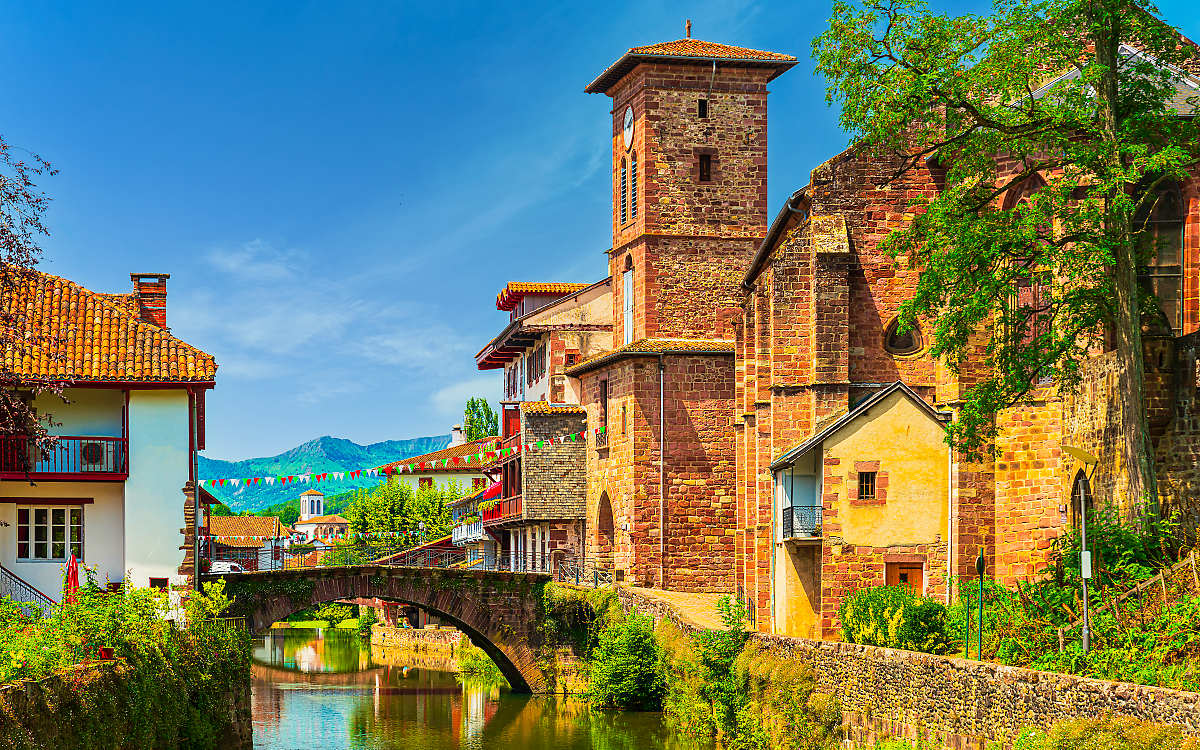
Nouvelle-Aquitaine Region
Nouvelle-Aquitaine Region
Nouvelle-Aquitaine is the largest administrative region in France, renowned for its cultural richness, varied landscapes, world-class wines and charming destinations.
Whether you are a history buff, a nature lover, a foodie or simply seeking a relaxing getaway with your family, Nouvelle-Aquitaine offers a multitude of experiences that make every visit memorable. In this guide, we will explore the region’s fascinating history, prime locations, top attractions, delectable cuisine and more—so you can start planning your dream trip to Southwestern France.
Welcome to Nouvelle-Aquitaine
Stretching from the Atlantic coastline to the peaks of the Pyrenees and the lush forests of the Limousin, Nouvelle-Aquitaine is a region of infinite variety. It was formed in 2016 by merging three former French regions—Aquitaine, Limousin and Poitou-Charentes—creating a vast territory that boasts everything from bustling cities to secluded countryside.
In this region, surfers flock to the beaches near Biarritz, wine enthusiasts venture into Bordeaux’s renowned châteaus and nature aficionados wander through verdant valleys and medieval villages of the Dordogne. Families find plenty of attractions and theme parks, while history lovers immerse themselves in the medieval streets of Bayonne or the Romanesque splendor of Saintes. No matter your interests, Nouvelle-Aquitaine offers an authentic French travel experience steeped in tradition, heritage and a warm, welcoming atmosphere.
History
Nouvelle-Aquitaine’s historical roots date back to ancient times when Celtic tribes inhabited the area before the Roman conquest. The name “Aquitaine” originally referred to a smaller province that became a prized possession of the Roman Empire. Evidence of Roman influence remains in sites like the ancient amphitheaters of Saintes and Périgueux.
During the Middle Ages, the region was shaped by the powerful Duchy of Aquitaine, which included legendary figures like Eleanor of Aquitaine. Her marriage alliances and influence extended the region’s borders and established strong ties with the British crown—leading to centuries of Anglo-French rivalries and the Hundred Years’ War.
In the late 20th and early 21st century, as part of France’s territorial reform, three regions—Aquitaine, Poitou-Charentes and Limousin—combined to form the Nouvelle-Aquitaine region. This unification has preserved each former region’s distinct identity while creating a more cohesive and diverse travel destination.
Location
Located in southwestern France, Nouvelle-Aquitaine stretches from the Spanish border near the Pyrenees up to the Loire Valley. To its west, it is bordered by the Atlantic Ocean, where you can find extensive sandy beaches and well-known surf spots. To the east, rolling hills and lush countryside gradually rise toward higher elevations, making this region a fantastic blend of coastal charm and inland splendor.
The region’s main urban centers include Bordeaux, Limoges, Poitiers, La Rochelle and Pau. Each offers a unique perspective on local life, history and culture, forming an eclectic mosaic of modern cities, medieval towns and quaint villages.
Best Time to Visit
Nouvelle-Aquitaine benefits from multiple climatic zones, thanks to its expansive geography:
- Coastal Areas (Atlantic Coast): Enjoy an oceanic climate with mild winters and comfortably warm summers. Sea breezes help moderate temperatures year-round, making seaside towns appealing destinations from spring through early autumn.
- Inland and River Valleys: Experience a more continental climate with cooler winters and hot summers, especially in areas like Dordogne and Lot-et-Garonne.
- Mountainous Regions (Pyrenees): Winters can be quite cold with snowfall at higher altitudes. Summers remain pleasantly cool, perfect for hiking and outdoor activities.
Best Time to Visit
- Spring (March to May): Ideal for exploring vineyards, gardens and heritage sites when the weather is mild and tourist crowds are thinner.
- Summer (June to August): The peak travel season; perfect for beach vacations, surfing and indulging in local festivals. Be prepared for higher accommodation prices and larger crowds, especially in coastal areas.
- Autumn (September to November): A wonderful time for harvest festivals, wine tastings and scenic landscapes tinted in vibrant autumn hues.
- Winter (December to February): Great for a quieter, more budget-friendly trip. Head to the Pyrenees for winter sports or explore cultural attractions without the summer rush.
Top Destinations
Nouvelle-Aquitaine is packed with iconic cities, picturesque towns and natural wonders. Here are some must-visit destinations and attractions:
Bordeaux
Arguably the region’s most famous city, Bordeaux enchants visitors with its magnificent 18th-century architecture, historic quays and world-renowned vineyards. Key attractions include:
- Place de la Bourse: A stunning example of classical French design, overlooking the Garonne River.
- La Cité du Vin: An interactive wine museum celebrating global wine culture.
- Cathédrale Saint-André: A Gothic cathedral with spectacular stained-glass windows.
La Rochelle
A charming coastal city known for its maritime heritage, La Rochelle features:
- Vieux Port (Old Port): Lined with lively cafés and historic towers (Tour de la Chaîne, Tour Saint-Nicolas).
- Aquarium de La Rochelle: One of the largest aquariums in Europe, perfect for families.
- Old Town and Arcaded Streets: Showcasing Renaissance and medieval architecture.
Biarritz
Situated on the Bay of Biscay, Biarritz is a surfer’s paradise and an elegant seaside resort. Key highlights include:
- Grande Plage: The main beach for sunbathing and surfing.
- Rocher de la Vierge: A landmark rock formation connected by a footbridge, offering panoramic ocean views.
- Biarritz Lighthouse: A scenic vantage point for panoramic shots of the coast.
Dordogne Valley (Périgord)
Famous for prehistoric caves, medieval castles and quaint villages, the Dordogne region (often referred to as Périgord) includes:
- Sarlat-la-Canéda: A stunning medieval town with cobbled streets and historic mansions.
- Lascaux Caves: Renowned for Paleolithic cave paintings (the original cave is closed to protect the art, but replicas can be visited).
- Château de Beynac: A clifftop fortress offering breathtaking views of the Dordogne River.
Pau
Overlooking the Pyrenees, Pau is a city brimming with history and sporting culture:
- Château de Pau: Birthplace of King Henry IV, featuring an impressive Renaissance façade.
- Boulevard des Pyrénées: A scenic promenade with mesmerizing views of the mountains.
- Église Saint-Martin de Pau (Saint Martin Church): A beautiful neo-Gothic church.
Historic and Religious Sites
- Saint-Émilion: A UNESCO World Heritage Site famed for its medieval monuments and prestigious vineyards.
- Poitiers: Known for its Romanesque churches, especially the Église Notre-Dame la Grande, celebrated for its elaborate façade.
- Saintes: An ancient town rich in Gallo-Roman heritage, featuring the Arch of Germanicus and a well-preserved Roman amphitheater.
Activities
Nouvelle-Aquitaine caters to travelers of all ages and interests with a wide range of activities:
Outdoor Adventures
- Surfing: Head to Hossegor, Biarritz and Lacanau for world-class waves.
- Hiking: Explore scenic trails in the Pyrenees or along the coastal paths near the Bay of Biscay.
- Cycling: The region offers numerous greenways (voies vertes) and cycle routes through vineyards, forests and along river banks.
- Kayaking and Canoeing: The Dordogne and Vézère rivers provide calm waters perfect for a family-friendly paddle.
Family-Friendly Attractions
- Futuroscope (Poitiers): A futuristic theme park featuring 4D cinemas, interactive rides and multimedia shows.
- Zoo de la Palmyre (Near Royan): Home to more than 1 600 animals and a popular family destination on the Atlantic coast.
- Aquariums and Maritime Museums: La Rochelle’s aquarium and various maritime museums along the coast offer educational fun for kids.
Cultural and Heritage Tours
- Wine Tours: Join guided excursions in Bordeaux, Saint-Émilion or Cognac to learn about the wine-making process.
- Château Visits: Explore the grand castles of the Dordogne Valley, many of which offer interactive exhibits for children.
- Local Markets: Stroll through weekly markets to experience regional produce, crafts and vibrant local life.
Culture and Heritage
Nouvelle-Aquitaine’s culture is shaped by its history, geography and diverse linguistic influences. While French is the official language, local dialects like Occitan and Basque persist in certain areas, reflecting the region’s rich heritage.
Festivals and Traditions
- Fêtes de Bayonne: A massive summer festival in the Basque city of Bayonne, known for parades, music and colorful costumes.
- Bordeaux Wine Festival: Celebrating the region’s most famous export, with tastings and events along the city’s waterfront.
- Occitan Festivals: Showcasing traditional music, dances and crafts, particularly in rural areas of the Dordogne and Limousin.
Arts and Architecture
The region’s art scene is evident in its Romanesque churches, Gothic cathedrals and Renaissance mansions. Contemporary art museums in Bordeaux and Limoges display modern pieces alongside classical collections. Additionally, street art tours are increasingly popular in Bordeaux, highlighting the city’s vibrant urban culture.
Cuisine
Food in Nouvelle-Aquitaine varies dramatically by area, but common threads include fresh ingredients, hearty dishes and time-honored recipes:
- Foie Gras: A luxury delicacy especially prevalent in the Dordogne region, often served with fruit compote or on crusty bread.
- Confit de Canard (Duck Confit): Duck legs slow-cooked in their own fat; a staple in many southwestern French kitchens.
- Magret de Canard (Duck Breast): Typically grilled or pan-seared, served pink with seasonal vegetables or sauce.
- Seafood: Coastal areas like La Rochelle and Arcachon Bay offer fresh oysters, mussels and fish—often enjoyed at seaside restaurants.
- Oysters from Marennes-Oléron: These briny, green-tinged oysters are a regional specialty cherished by seafood lovers.
- Limousin Beef: Raised in the Limousin countryside, this tender, high-quality beef is revered in French cuisine.
- Gateau Basque: A Basque dessert with layers of pastry and custard or jam, perfect with coffee or tea.
Wine
When it comes to wine, Nouvelle-Aquitaine is a global powerhouse, boasting legendary labels and diverse appellations:
- Bordeaux Wines: Bordeaux is synonymous with fine wine. From robust reds of the Médoc region to sweet whites of Sauternes and crisp whites of Entre-Deux-Mers, there is a flavor profile to suit every preference. Touring the region’s châteaus is a bucket-list activity for wine aficionados.
- Cognac: Distilled from white grapes in the Charente area, Cognac is a prestigious brandy known worldwide for its smoothness and depth. Visit local distilleries to learn about the centuries-old production methods.
- Armagnac: Produced in the Gascony region (south of Bordeaux), Armagnac is France’s oldest brandy, known for its artisanal, small-scale production.
- Pineau des Charentes: A sweet, fortified wine made by mixing grape must and Cognac eau-de-vie. Commonly enjoyed as an apéritif.
Getting There
Thanks to its strategic location and modern infrastructure, reaching Nouvelle-Aquitaine is relatively straightforward:
- By Air: Major airports include Bordeaux-Mérignac, Biarritz Pays Basque and Limoges. International flights connect from various European hubs and seasonal routes open during peak travel months.
- By Train: France’s high-speed TGV network makes Nouvelle-Aquitaine easily accessible from Paris (around 2 hours to Bordeaux). Regional trains (TER) provide additional connections to smaller towns.
- By Car: Well-maintained motorways connect the region with the rest of France and neighboring Spain. Renting a car is a popular option for those wishing to explore rural areas at their own pace.
- By Bus: Long-distance bus services (such as FlixBus or BlaBlaCar Bus) offer budget-friendly routes from major French and European cities.
Getting Around
Once in Nouvelle-Aquitaine, you have multiple options for traveling within the region:
- Car Rental: Ideal for exploring remote villages, vineyards and natural parks where public transport is limited. The region’s scenic roads make for pleasant drives.
- Regional Trains and Buses (TER): The TER network connects most medium-sized towns and cities. While coverage is extensive, schedules might be limited in rural areas, especially on weekends.
- Cycling: Numerous greenways, especially along old railway tracks or canals, make cycling a wonderful way to discover charming villages and countryside vistas.
- City Public Transport: Larger cities like Bordeaux, Poitiers and Limoges have tram, bus or trolley networks for convenient urban exploration.
- Boat Services: In coastal towns such as La Rochelle and around the Arcachon Bay, ferries and boat tours are popular for sightseeing or island hopping (Île de Ré, Île d’Oléron).
This is Nouvelle-Aquitaine
Rich in history, brimming with cultural traditions and blessed with varied landscapes, Nouvelle-Aquitaine offers a travel experience that effortlessly combines leisure, learning and adventure. From the sophisticated streets of Bordeaux to the wave-crashed beaches of Biarritz, the medieval alleys of Sarlat to the Roman ruins of Saintes, there is something in this vast region to captivate every traveler’s imagination.
Whether you are savoring sumptuous local dishes, touring centuries-old vineyards or partaking in high-adrenaline activities along the Atlantic coast, you will quickly understand why Nouvelle-Aquitaine remains one of France’s most captivating and diverse destinations. Plan your visit during the season that best suits your interests—be it surfing in summer or sipping wine in the crisp autumn air—and prepare to be enthralled by the sights, flavors and vibrant heritage that define this remarkable corner of the world.