
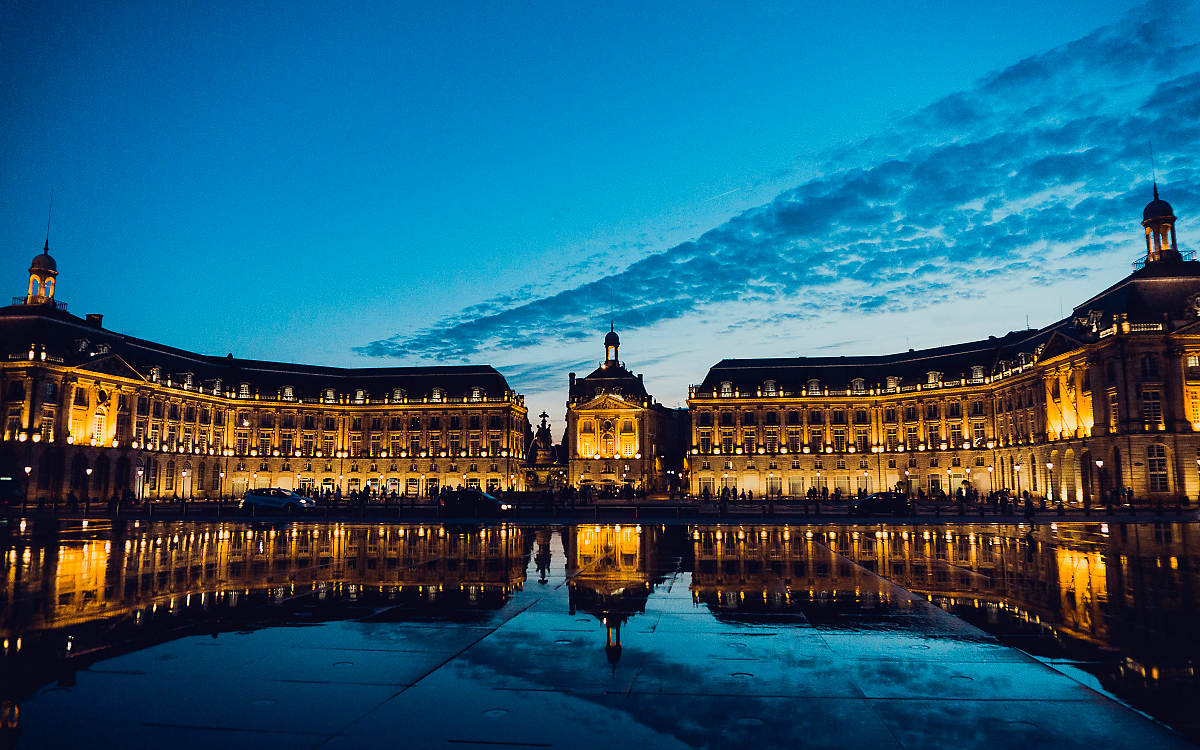
Bordeaux - Port of the Moon. Image Credit: Juan di Nella
Bordeaux – Port of the Moon
Bordeaux, often referred to as the “Port of the Moon,” is a city that effortlessly combines past and present.
Its distinctive crescent-shaped bend along the Garonne River has not only given Bordeaux its poetic nickname but also played a critical role in shaping its dynamic character over the centuries. With its rich history, architectural splendor, and vibrant cultural scene, it’s no wonder that this urban masterpiece has been recognized as a UNESCO World Heritage Site.
Whether you’re a history enthusiast, an admirer of fine wine, or simply seeking a memorable travel experience, Port of the Moon offers a captivating glimpse into the heart of southwestern France. Below is your comprehensive guide to exploring this living tapestry of French heritage.
Bordeaux has been a favored destination for centuries, particularly known for its wine-making tradition. Yet it is more than just a wine capital; it’s a testament to how culture, commerce, and community can flourish along a river’s edge.
Often overshadowed by Paris, this port city has carved out a distinctive identity, blending its storied past with modern flair. The sleek tram lines and cutting-edge art exhibitions are set against an elegant backdrop of 18th-century architecture and historic avenues. As you step onto Bordeaux’s cobblestone streets, you’re tracing the footsteps of royals, merchants, and revolutionaries. This introduction is only the beginning of a journey that will reveal why the Port of the Moon remains an essential French landmark.
Historical & Cultural Background
Origins & Construction
The city of Bordeaux traces its origins back to Roman times, when it was known as Burdigala. Thanks to its strategic location along the Garonne River, trade flourished, setting the foundation for the city’s long-standing mercantile tradition. Over the centuries, fortifications were expanded, elegant churches were built, and grand public squares started to take shape. By the 18th century, Bordeaux’s urban design and architectural harmony reached their pinnacle, thanks to ambitious city planners who envisioned a metropolis befitting its economic and cultural status.
Key Historical Events
- English Rule: From the 12th to the mid-15th century, Bordeaux fell under English sovereignty due to the marriage of Eleanor of Aquitaine to Henry II. This relationship paved the way for an enduring wine trade between Bordeaux and England.
- Golden Age of Wine: The 18th century saw a massive economic boom, propelled by the city’s celebrated wine industry. The construction of the neoclassical quays and grandiose public buildings mirrored the city’s prosperity.
- Modern Transformations: From the 19th century onwards, Bordeaux underwent considerable modernization, including expansions to its port facilities. Restoration projects and cultural initiatives in the 20th and 21st centuries fortified the city’s status as a vibrant cultural hub.
The Port of the Moon stands as a testament to Bordeaux’s cosmopolitan legacy. Over the centuries, merchants, artists, and intellectuals from across Europe and beyond found a home here. Today, that global connection remains visible in the city’s festivals, cuisine, and cultural institutions, making Bordeaux a dynamic melting pot that reveres tradition while embracing innovation.
Architectural & Cultural Significance
Style & Design
One of Bordeaux’s most striking features is its uniform architectural style, predominantly rooted in the classical and neoclassical movements. Many of the buildings lining the Garonne were constructed from local limestone, giving the city a distinctive golden hue. Wide boulevards, gracious squares, and symmetrical facades exemplify the architectural elegance that has earned Bordeaux comparisons to Paris.
Symbolism & Cultural Impact
Much of Bordeaux’s architectural design was driven by the desire to showcase the city’s wealth and grandeur. Ornate balconies, sculpted facades, and monumental gateways speak volumes about the civic pride of past eras. These historical structures continue to serve as cultural landmarks, hosting art galleries, public gatherings, and open-air concerts, thus maintaining their resonance in the city’s modern life.
Recognition & Awards
Bordeaux – Port of the Moon was inscribed as a UNESCO World Heritage Site in 2007, primarily for its outstanding urban and architectural ensemble. Since then, the city has garnered multiple accolades, including recognition for sustainable urban development and restoration of historical sites. The UNESCO designation solidified Bordeaux’s status on the global stage, resulting in increased tourism and preservation efforts.
UNESCO World Heritage Membership
Joining the esteemed ranks of UNESCO World Heritage Sites is no small feat. The Port of the Moon achieved this status partly due to its well-preserved architectural unity, spanning over two centuries of historical development. UNESCO praised Bordeaux for its exemplary approach to urban revitalization and its continued commitment to cultural heritage. For visitors, this seal of approval is a reassuring sign that every stone and spire in the city is steeped in stories worth discovering.
Must-See Highlights
Must-See Elements
- Place de la Bourse & Miroir d’Eau: This iconic square faces the riverfront and houses a spectacular reflecting pool known as the Miroir d’Eau. By day or by night, its reflection of the stately buildings offers one of the most photographed views in Bordeaux.
- Grand Théâtre: An architectural jewel dating back to 1780, it hosts operas, ballets, and concerts throughout the year. Even if you can’t catch a show, a tour of the opulent interior is a must.
- Pont de Pierre: Commissioned by Napoleon, this elegant bridge arches gracefully over the Garonne, linking the two sides of the city.
Special Artifacts or Exhibits
- Musée d’Aquitaine: A treasure trove of regional history and archaeology, featuring artifacts that chart Bordeaux’s evolution from a Roman settlement to a modern cultural metropolis.
- Cité du Vin: While not strictly part of the historic core, this cutting-edge museum celebrates wine culture, offering immersive exhibits and a panoramic view of the city from its top floor.
Events & Activities
Bordeaux’s cultural calendar is packed with events like music festivals, wine tastings, and open-air markets. Many of these are set against the backdrop of the UNESCO World Heritage area, giving visitors an opportunity to experience Bordeaux’s heritage in action.
Tours & Special Exhibits
- Guided Walking Tours: These typically start at the tourist office near Place de la Bourse and delve into the heart of the old city, covering key monuments and lesser-known gems.
- Boat Cruises: If you want a fresh perspective, hop on a river cruise along the Garonne for panoramic views of Bordeaux’s grand facades.
Visitor Information & Practical Tips
Location & Getting There
Bordeaux is in southwestern France, accessible by high-speed train (TGV) from Paris in just over two hours. The Bordeaux-Mérignac Airport connects to major European cities and some international destinations. Once in Bordeaux, an efficient tram and bus network makes navigating the city center a breeze.
Duration & Planning
You could explore Bordeaux’s historic center in a couple of days, but three to four days is ideal for a more in-depth experience-especially if you plan to venture out to nearby vineyards or coastal towns.
Facilities & Amenities
- Tourist Information Centers: Plentiful and well-staffed, especially around Place de la Bourse.
- Wi-Fi & Connectivity: Free Wi-Fi zones are available in many public squares, cafes, and hotels.
- Language: French is the primary language, though basic English is widely spoken in tourist-friendly areas.
Accessibility
Bordeaux has made significant strides in making the city more accessible. Many public spaces, museums, and transport options are wheelchair-friendly. If you have specific mobility needs, consult the Bordeaux tourist office for tailored guidance.
Best Time to Visit & Special Events
Seasonal Insights
- Spring (March–May): Mild weather, fewer crowds, a great time for leisurely walks and enjoying outdoor terraces.
- Summer (June–August): Peak travel season. The city buzzes with open-air festivals, but be prepared for higher prices and busier streets.
- Autumn (September–November): Often considered the best season for wine enthusiasts. The vineyards around Bordeaux are in full harvest, and the city is awash in pleasant weather.
- Winter (December–February): Quieter and colder, but you can take advantage of fewer tourists, cozy cafes, and festive holiday markets.
Festivals & Annual Events
- Bordeaux Wine Festival (Fête du Vin): A biennial event that transforms the quays into a massive wine-tasting arena with music, fireworks, and cultural exhibits.
- Bordeaux River Festival: A lively celebration of the city’s maritime heritage, featuring boat parades and waterfront activities.
Local Holidays
French national holidays like Bastille Day (July 14) and regional celebrations such as Saint-Émilion’s Harvest can add a unique spin to your visit-though some shops and attractions might operate on limited schedules.
Nearby Attractions & Local Amenities
Local Surroundings
Bordeaux’s location makes it a perfect base for exploring:
- Saint-Émilion: Famous for its medieval charm and esteemed vineyards.
- Arcachon: A coastal town known for the Dune du Pilat, Europe’s tallest sand dune.
- Médoc Wine Region: Home to some of the world’s most prestigious châteaux and vineyards.
Dining Options
Beyond Bordeaux’s world-renowned wine, the city boasts a rich culinary heritage:
- Canéles: These small pastries with a caramelized crust and custardy center are a local specialty.
- Seafood: Proximity to the Atlantic ensures fresh catches like oysters and mussels.
- Local Markets: Check out the Marché des Capucins for an authentic slice of Bordeaux life. Sample artisanal cheeses, charcuterie, and fresh produce.
Cultural & Historical Sites
- Cathédrale Saint-André: A Gothic masterpiece that has witnessed royal weddings and historical milestones.
- Basilique Saint-Michel: Noteworthy for its towering spire and vibrant weekend flea markets in the surrounding square.
Insider Tips & Etiquette
Photography Rules
While outdoor photography in public areas is generally welcomed, certain museums and churches may restrict flash photography or the use of tripods. Always check for posted signs or ask staff if you’re unsure.
Dress Code or Conduct
Casual attire is acceptable, but remember that many churches and some upscale restaurants prefer modest or semi-formal clothing. For church visits, ensure your shoulders and knees are covered to respect local customs.
Safety & Security
Bordeaux is relatively safe, but the usual precautions apply:
- Stay alert in crowded areas and train stations.
- Secure your belongings, especially in tourist hotspots.
- If you plan to rent a car or bicycle, be aware of local traffic rules and designated lanes.
Money-Saving Strategies
- City Pass: The Bordeaux Métropole City Pass offers free or reduced admission to many museums and unlimited public transport.
- Lunch Menus: Many restaurants offer a prix fixe lunch menu, providing excellent value for money.
- Free Access Times: Some museums offer free entry on the first Sunday of each month or during special cultural events like Nuit des Musées (Museum Night).
Bordeaux – Port of the Moon
The Port of the Moon is far more than a scenic bend in the Garonne; it’s a living narrative that captures the essence of French history, culture, and innovation. Whether you’re sipping a glass of local wine along the picturesque quays or traversing centuries-old avenues, you’ll find that Bordeaux offers a rare blend of elegance, heritage, and modernity.
From its UNESCO-recognized architectural wonders to its bustling food and wine scene, every corner of the city invites curiosity and rewards exploration. As you conclude your journey through Bordeaux, you’ll likely leave with a sense of wonder-and perhaps a promise to return for yet another taste of this captivating French destination.
With its timeless appeal, the Port of the Moon is not just an attraction to check off your bucket list; it’s a place to savor and remember. Let the history, beauty, and vibrant culture of Bordeaux inspire you to experience more of what France has to offer, one unforgettable moment at a time.