
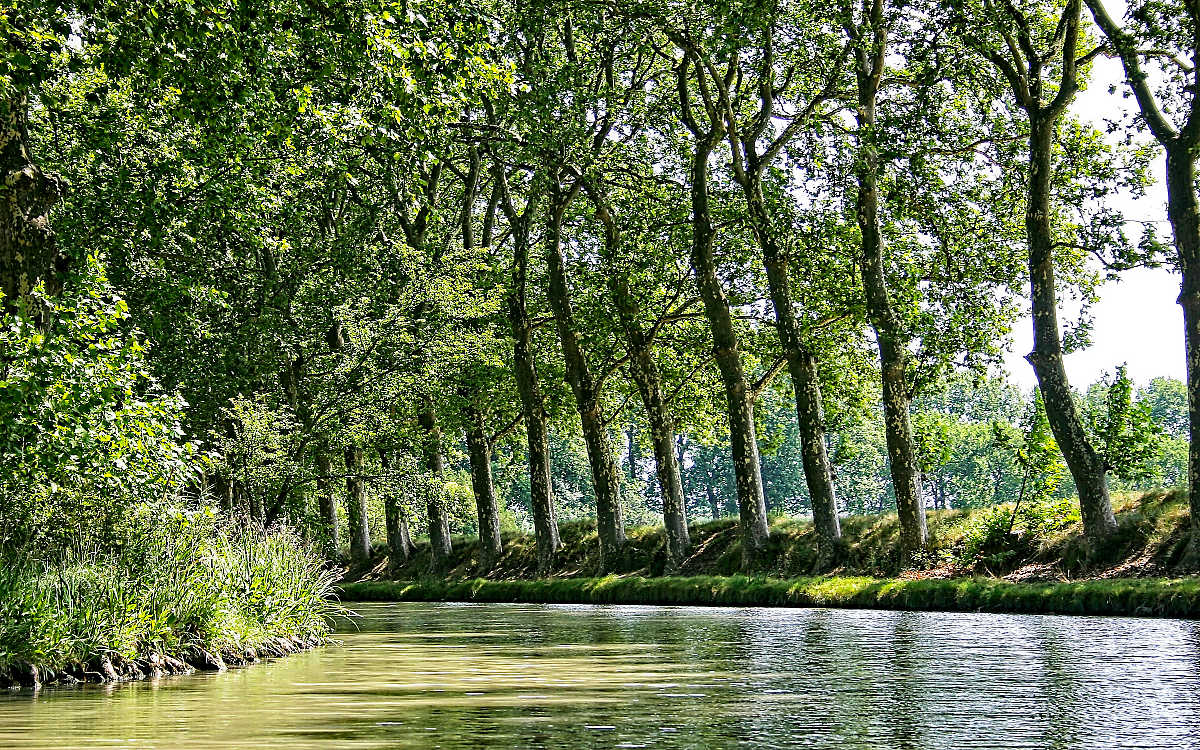
Image Credit: Steve Douglas
Canal du Midi
Nestled in the sun-kissed region of southern France lies the Canal du Midi, a masterpiece of engineering and a captivating UNESCO World Heritage Site.
Winding gracefully from Toulouse to the Mediterranean Sea, this 17th-century waterway has fascinated travelers, historians, and nature lovers for centuries.
Whether you’re a history buff eager to uncover tales of its construction, a leisure seeker dreaming of tranquil barge cruises, or an adventurer longing to explore the French countryside by bike, the Canal du Midi offers an unforgettable escape. In this guide, we’ll delve into the canal’s heritage, its architectural marvels, must-see highlights, and practical tips for making the most of your visit.
Overview
The Canal du Midi is much more than a simple channel of water. Created as a bold solution to connect the Atlantic Ocean with the Mediterranean Sea, it represents the ingenuity and vision of its principal architect, Pierre-Paul Riquet.
Today, the canal stretches over 240 kilometers (about 150 miles) of scenic French landscape, meandering through charming villages, shaded plane-tree canopies, and rolling vineyards. Recognized by UNESCO in 1996, the Canal du Midi stands as one of the most remarkable feats of civil engineering of its time, drawing travelers from around the globe to bask in its beauty and heritage.
Historical & Cultural Background
Origins & Construction
The inception of the Canal du Midi dates back to the 17th century when King Louis XIV, also known as the Sun King, sought a direct navigable route between France’s two major bodies of water.
Pierre-Paul Riquet, a salt-tax collector with an affinity for mathematics, proposed a daring plan to build a canal through the rugged Occitanie region. Construction began in 1666 and continued for 14 years, relying largely on manual labor assisted by innovative water supply systems.
One of the project’s biggest challenges was supplying enough water to keep the canal operational year-round. Riquet solved this by creating an intricate network of reservoirs, including the Saint-Ferréol Lake in the Black Mountain region.
This reservoir, combined with a series of feeder canals, ensured that the Canal du Midi maintained a consistent water level-a groundbreaking achievement for its era.
Key Historical Events
Shortly after its completion in 1681, the Canal du Midi opened new doors for commerce and transportation. For centuries, it served as a primary route for shipping goods like wine, grain, and cloth. By the 19th century, the rise of railroads diminished the canal’s commercial use, gradually transforming it into a route dedicated to tourism and leisure.
The canal’s plane trees, planted primarily in the 1830s to help fortify its banks, have come to symbolize the canal’s storied past.
In recent decades, diseases attacking these trees have prompted conservation initiatives. Restoration projects ensure that this living tapestry of history remains intact for future generations.
Cultural Significance
From the beginning, the Canal du Midi served as a cultural bridge, connecting diverse communities and fostering trade and communication throughout southern France. Today, it continues to unite local residents and international visitors seeking to enjoy its scenic pathways and discover age-old traditions.
Over the centuries, this picturesque waterway has inspired countless artists, writers, and photographers. Painters have captured its tranquil scenes on canvas, while novelists have used the canal as a backdrop for stories celebrating French pastoral life.
Architectural & Cultural Significance
Style & Design
The canal’s architectural elements are as mesmerizing as its serene waters. One of the most notable features is its series of more than 60 locks, each meticulously designed to adjust water levels for passing boats.
Elegant stone-arched bridges and aqueducts further underscore the canal’s craftsmanship, with the Pont-Canal de l’Orb near Béziers standing out as a particularly stunning example.
Symbolism & Cultural Impact
The Canal du Midi’s construction signaled a turning point in civil engineering and marked France’s entry into a new era of innovation. It symbolizes the transformative power of human creativity, bridging geographical barriers and revolutionizing European trade routes.
Traveling the length of the canal can feel like stepping back in time. From the medieval fortress town of Carcassonne to the tranquil hamlet of Homps, every stretch of the waterway presents a tableau of Old World charm, telling tales of the canal’s role in France’s cultural tapestry.
Recognition & Awards
In 1996, UNESCO enshrined the Canal du Midi as a World Heritage Site, citing its “exceptional universal value.” This coveted designation underscores the canal’s place in global history and preserves it as a treasure for generations to come.
UNESCO World Heritage Membership
As a UNESCO World Heritage Site, the Canal du Midi benefits from extensive conservation and restoration efforts. UNESCO‘s recognition not only secures its legacy but also spurs sustainable tourism initiatives. From replanting diseased trees with resilient species to renovating historic locks, every measure is taken to maintain the canal’s authenticity while accommodating modern-day visitors.
Must-See Highlights
Must-See Elements
Located near the city of Béziers, the Fonserannes Locks rank among the canal’s most iconic highlights. This dramatic series of eight interconnected locks offers a captivating insight into the engineering genius that shaped the canal.
Carved through a rocky hillside, the Malpas Tunnel was Europe’s first navigable canal tunnel. The cramped passage is an impressive feat of 17th-century engineering and a must-visit for its atmospheric charm.
Special Artifacts or Exhibits
In tribute to the canal’s creator, statues and plaques commemorating Pierre-Paul Riquet can be found in towns along the waterway. These monuments celebrate the visionary whose ingenuity brought this ambitious project to life.
Small museums in and around cities like Toulouse, Béziers, and Carcassonne offer artifacts, vintage photographs, and interactive exhibits detailing the canal’s history and ongoing conservation efforts.
Events & Activities
While motorized boats and leisure barges are the most popular ways to experience the canal, kayaking and paddleboarding are becoming increasingly common. Gliding along the canal’s calm waters is a unique way to immerse yourself in the scenic environment.
The Languedoc region’s storied vineyards flank the Canal du Midi, offering travelers the perfect excuse to sample local wines. Many boat tour operators include vineyard visits and tastings as part of their itineraries.
Tours & Special Exhibits
Plenty of charter companies provide half-day or full-day tours with knowledgeable guides. These tours often include cultural insights, visits to nearby historical sites, and even on-board meals prepared with fresh local produce.
For those craving a more active vacation, cycling along the canal’s towpaths is a fantastic option. Bike rental shops and guided cycle tours cater to varying fitness levels, ensuring a comfortable journey amid stunning vistas.
Location & Getting There
The Canal du Midi spans from Toulouse in the west to Étang de Thau near the Mediterranean coast. Toulouse and Béziers are common embarkation points, both well-connected by train and air travel.
By Air
Toulouse-Blagnac Airport (in the west) and Béziers Cap d’Agde Airport (in the east) offer convenient flight options.
By Train
France’s efficient rail system links major cities, making it simple to reach either end of the canal.
By Car
Renting a car allows flexibility in exploring nearby villages and attractions at your own pace.
Duration & Planning
A short boat ride may be completed in a few hours, while dedicated travelers can spend a week or more cruising the entire canal. If you have the time, consider a leisurely multi-day trip to fully appreciate the scenery, historic locks, and charming stops along the way.
Facilities & Amenities
Well-equipped ports provide mooring spaces, fuel, and basic amenities like electricity and water. You’ll find shops for groceries, local produce, and boat essentials, as well as restaurants and cafes nearby.
- Hotels & Guesthouses: In cities like Toulouse, Carcassonne, and Béziers, you’ll find accommodations for every budget, from luxury hotels to cozy bed-and-breakfasts.
- Boat Rentals: Hiring a houseboat is a popular choice; these come equipped with sleeping quarters, bathrooms, and kitchens so you can cruise at your own pace.
Accessibility
Many boat operators and certain towpath segments are wheelchair accessible. Always inquire in advance, as lock areas and older footpaths can present challenges. Some tour boats feature ramps and adapted facilities to accommodate travelers with mobility issues.
Best Time to Visit & Special Events
Seasonal Insights
- Spring (March to May) Mild temperatures and blooming flora make spring a delightful season for a canal trip. Towpaths are less crowded, and locks function smoothly as the tourist rush hasn’t yet begun.
- Summer (June to August) The busiest period along the Canal du Midi. Long sunny days are ideal for outdoor activities, but popular sections can get crowded, and temperatures can soar. If you’re visiting in summer, booking accommodations and boat rentals in advance is essential.
- Autumn (September to November) A favorite for those looking to avoid summer crowds. The changing foliage along the canal creates a picturesque backdrop for leisurely boat rides or cycling adventures.
- Winter (December to February) Although the canal remains operational, it’s far quieter, with some tour companies pausing operations. Crisp weather and off-peak rates attract travelers seeking a calm escape.
Festivals & Annual Events
- Carcassonne Festival Each summer, the medieval city of Carcassonne hosts a month-long festival showcasing music, dance, and theater. It’s an excellent cultural detour while cruising the canal.
- Wine Harvest Celebrations Many vineyards in the Languedoc region hold harvest festivals in late summer or early autumn, offering tastings, tours, and communal feasts in celebration of a successful grape harvest.
Local Holidays
- Bastille Day (July 14) Expect vibrant celebrations, fireworks, and public events in cities and towns around the canal. It’s a fantastic opportunity to experience French national pride and festivity.
Nearby Attractions & Local Amenities
8.1 Local Surroundings
- Carcassonne Citadel This UNESCO-listed medieval fortress city lies a short distance from the canal. Its imposing walls, turrets, and winding streets provide a dramatic contrast to the waterway’s tranquil atmosphere.
- Minervois Wine Region Just north of the canal, you can explore vineyards that produce rich red wines. Many estates welcome visitors for tastings and tours.
Dining Options
- Regional Cuisine Southern France is renowned for its hearty dishes and fresh produce. Don’t miss the chance to savor classics like cassoulet, a slow-cooked bean stew traditionally made with duck or pork, especially popular in Toulouse.
- Local Markets Smaller towns along the canal host weekly markets overflowing with fresh vegetables, cheeses, and artisan bread. Stock up on provisions for a picnic or to cook on your boat.
Cultural & Historical Sites
- Béziers Steeped in history, this city boasts impressive cathedrals, Romanesque architecture, and panoramic views of the canal below.
- Narbonne Slightly off-route, Narbonne was a significant Roman port. Today, its canals and medieval cathedral attract travelers seeking another slice of historical France.
Insider Tips & Etiquette
Photography Rules
While most locks, bridges, and towpaths are public, remember that boaters and locals appreciate their privacy. If you’re photographing people up close, ask for permission first.
For truly stunning shots, head out during sunrise or sunset. The gentle light casts a magical glow over the water, trees, and historical structures.
Dress Code or Conduct
Light, breathable clothing is best during warmer months, especially when cycling or strolling along towpaths. A light jacket or sweater may be needed in cooler weather, particularly near the water in early mornings or evenings.
When operating locks on your boat, move respectfully and follow local guidelines. Locks are intimate spaces, and boater cooperation ensures smooth passage for everyone.
Safety and Security
Navigate locks carefully, especially if you’re a first-time boater. Listen to the lockkeeper’s instructions and adhere to boat capacity limits to avoid accidents.
Like any travel destination, be mindful of your valuables. Secure your belongings on the boat and lock bicycles when stopping at towns along the route.
Money-Saving Strategies
Prices for rentals and accommodations drop significantly outside the peak summer months. Traveling in spring or autumn can save you money while offering equally beautiful scenery.
Splitting the cost of a houseboat or a group cycling tour is an effective way to reduce individual expenses. Plus, exploring with friends or family makes for shared memories and shared costs.
Canal du Midi
The Canal du Midi is far more than a waterway; it’s a living tapestry of French history, culture, and natural beauty. From its ingenious 17th-century locks to the peaceful plane-tree-lined towpaths, every kilometer tells a story of determination, innovation, and artistic inspiration.
Whether you’re drawn by the canal’s UNESCO World Heritage status, fascinated by engineering marvels, or simply seeking a serene getaway in southern France, the Canal du Midi promises to captivate and enchant.
Embark on a leisurely cruise, savor local wines in picturesque vineyard settings, or hop on a bicycle to pedal through centuries of heritage.
No matter how you choose to explore, your journey along this iconic canal will leave you with cherished memories, a deeper appreciation for history, and the irresistible urge to return.
Let the Canal du Midi guide you through the heart of France, where past and present flow together in a timeless dance of beauty and wonder.
Address: Canal du Midi, Grimaud, Draguignan, Var, Provence-Alpes-Côte d'Azur, Metropolitan France, 83310, France