
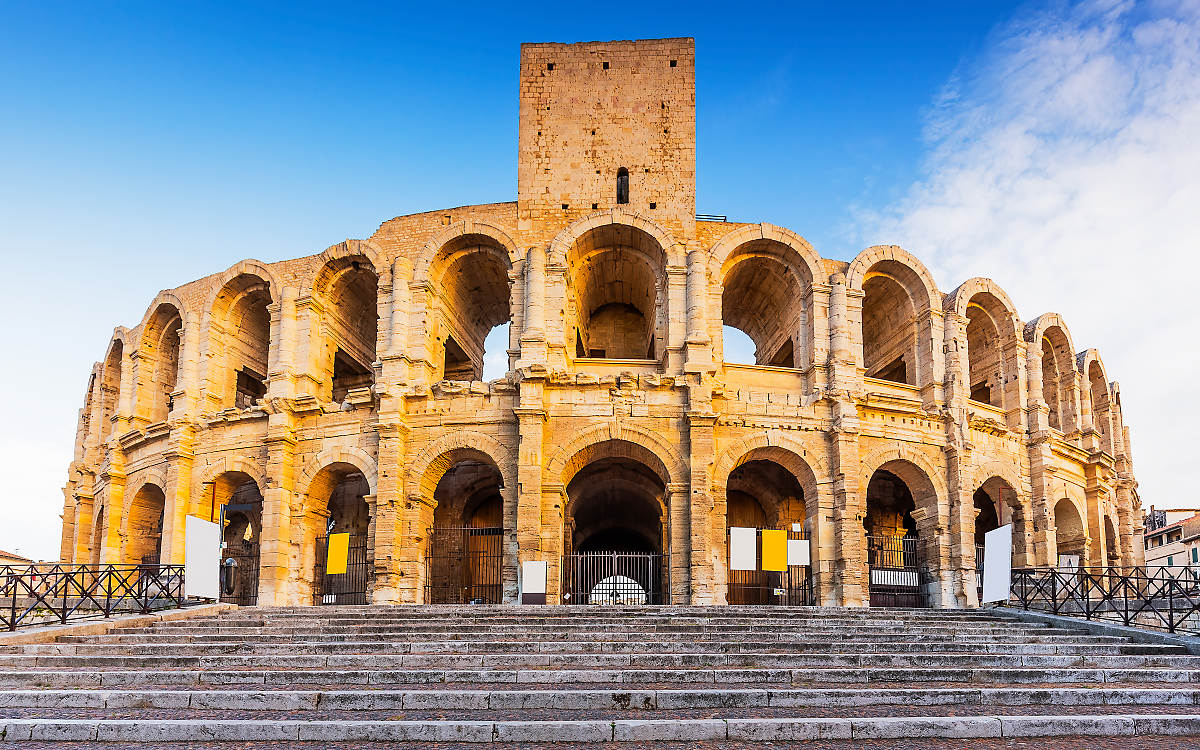
Amphithéâtre - Arènes d'Arles - Arles
Roman and Romanesque Monuments – Arles
Nestled in the heart of Provence, along the picturesque banks of the Rhône River, lies the enchanting city of Arles.
Famed for its connection to Vincent Van Gogh’s artistic journey and its beguiling fusion of Roman and Romanesque influences, Arles provides a captivating glimpse into centuries of European history. Its storied past resonates in every corner-from the towering Roman Amphitheatre to the intricate stone carvings of medieval churches. If you’re searching for an immersive cultural and historical experience in France, look no further than Arles, Roman and Romanesque Monuments-a UNESCO World Heritage Site that promises awe-inspiring architecture, rich traditions, and memorable travel experiences.
Historical & Cultural Background
Origins & Construction
Arles dates back to the 6th century BCE when it was first established by Greek traders. However, it truly came into prominence under Roman rule, especially after Julius Caesar recognized Arles as a strategic hub. The city quickly evolved into an important cultural and economic center, boasting sophisticated infrastructures such as roads, aqueducts, and monumental buildings. From the first century BCE onward, the construction of iconic edifices like the Roman Amphitheatre and the Roman Theatre began. These large-scale projects showcased both the empire’s power and its architectural genius, leaving Arles well-poised to emerge as a cradle of Roman heritage in Southern France.
Key Historical Events
Arles played a significant role in the Roman Empire, often hosting gladiatorial contests, chariot races, and grand festivals in its amphitheatre. After the fall of Rome, the city did not fade into obscurity; rather, it transitioned and thrived through the medieval period, leaving behind an equally remarkable Romanesque legacy. Arles was also part of the Grand Tour for artists and intellectuals during the Renaissance, eventually attracting painters like Vincent Van Gogh in the late 19th century. While the city’s Roman heritage remained intact, Romanesque influences found their way into churches, cloisters, and civic architecture, blending seamlessly with the pre-existing ancient monuments.
Cultural Significance
The historical wealth of Arles directly contributes to its cultural appeal. Nowhere is this more evident than in its living traditions-locals celebrate numerous festivals and events that trace their roots back to Roman times, blending them with Provençal customs. Arles has long been a meeting point of artistic currents: from the classical drama performed in its ancient theatre to contemporary art exhibitions hosted in modern venues, the city deftly merges the old with the new. These cultural layers not only honor the past, but also continue to inspire future generations of architects, historians, and travelers alike.
Architectural & Cultural Significance
Style & Design
At first glance, Arles stands out for its Roman architectural masterworks: the amphitheatre’s elliptical structure, colossal arches, and tiered seating arrangement bear striking resemblance to the Colosseum in Rome. Likewise, the Roman Theatre is a symphony of columns, stage walls, and well-preserved seating levels that once hosted large audiences. Over the centuries, as Christianity spread, Romanesque style churches and convents began to dot the cityscape. Distinctive features such as thick walls, rounded arches, and impressive stone carvings became prominent, notably in the Church of Saint Trophime and its adjoining cloister.
Symbolism & Cultural Impact
Arles’s monuments are more than mere historical artifacts; they are symbols of continuity and cultural identity. The Roman Amphitheatre is a testament to communal gatherings and popular entertainment in antiquity. The Church of Saint Trophime’s ornate portal, adorned with biblical figures, reflects how medieval Arles synthesized pagan traditions and Christian faith into a unified artistic narrative. Such symbolic dimensions not only highlight the city’s past but also resonate in modern celebratory events-ranging from bullfights (inspired by ancient spectacles) to pilgrimages to the church.
Recognition & Awards
The importance of Arles’s architectural ensemble is undeniably world-class. In 1981, UNESCO formally recognized the group of monuments in Arles-spanning Roman-era constructions to Romanesque marvels-for their exceptional universal value. This UNESCO designation attests to the city’s unmatched role in illustrating the profound interchange of cultural and artistic influences across the centuries.
UNESCO World Heritage Membership
Arles’s UNESCO World Heritage status underscores its global significance as a remarkable “open-air museum” of Roman and medieval legacy. With thousands of visitors arriving each year, this honor helps protect and preserve vital historical sites for future generations. Inclusions under the UNESCO umbrella typically require that local authorities implement strict conservation measures, ensuring that any new developments or restorations respect the integrity of the ancient structures. The UNESCO label has also boosted Arles’s profile as a must-visit destination, placing it firmly on the cultural tourism map alongside other top heritage cities in Europe.
Must-See Elements
- Roman Amphitheatre (Arènes d’Arles): Marvel at its imposing arches and climb the stone steps for a panoramic view of the city. Originally designed to seat over 20,000 spectators, the arena still hosts events like bull races and historical reenactments.
- Roman Theatre: Discover the site where ancient tragedies and comedies once delighted thousands of Romans. Its ruins remain a captivating testament to Arles’s role as an artistic hub.
- Church of Saint Trophime: Admire the stunning Romanesque façade, with intricate carved portals and a tranquil cloister that offers an oasis of spiritual serenity.
- Alyscamps (Roman Necropolis): Walk through a tree-lined avenue of ancient sarcophagi. This necropolis was a significant Christian burial ground in medieval Europe.
Special Artifacts or Exhibits
- Van Gogh Trail: While not officially part of the UNESCO ensemble, multiple locations in Arles celebrate the life and work of the famous painter who found inspiration in the city’s luminosity.
- Museon Arlaten: A museum founded by poet Frédéric Mistral, offering exhibits on Provençal folklore and local traditions.
- Arles Archaeological Museum: Home to an extensive collection of Roman artifacts, including sarcophagi, mosaics, and even a preserved Roman barge pulled from the Rhône.
Events & Activities
Throughout the year, Arles stages traditional events and modern festivals that bring its heritage to life:
- Les Rencontres d’Arles (Photography Festival): Renowned for contemporary photography exhibits scattered across historical venues.
- Feria d’Arles (Easter & Fall): Spanish-influenced bullfighting events in the amphitheatre, along with lively street festivities.
- Medieval Reenactments: During certain times, you can catch costumed performers showcasing sword fights or Roman legion marches.
Tours & Special Exhibits
Guided tours are offered in multiple languages and can be tailored to specialized interests-be it archaeology, art history, or photography. Some tours provide behind-the-scenes access to areas typically off-limits to the public, especially around the amphitheatre’s lower levels or the cloister’s private chapels.
Visitor Information & Practical Tips
Location & Getting There
Arles is conveniently located about 75 km from Marseille and 35 km from Avignon.
- By Air: Marseille Provence Airport is the closest major airport, offering domestic and international flights.
- By Train: TGV high-speed trains connect Arles to major French cities, including Paris, Lyon, and Marseille.
- By Car: The A54 motorway links Arles with the wider Provence region. Parking facilities are available near the city center, but spaces can fill quickly during peak seasons.
Duration & Planning
Allocate at least two full days to explore Arles and its UNESCO sites thoroughly. With multiple monuments, museums, and cultural activities, a well-planned itinerary ensures you won’t miss the key highlights. Consider purchasing a combined pass or multi-site ticket that offers discounted admission to multiple monuments and museums.
Facilities & Amenities
Arles is visitor-friendly, with ample cafés, bakeries, and rest spots throughout the historic center. Public restrooms are available near most major sites, and drinking fountains can be found in some squares. Free Wi-Fi might be limited to particular hotspots, so plan accordingly if you need constant online access.
Accessibility
Many historical monuments, including the Roman Amphitheatre and Saint Trophime, can be partially accessible to individuals with limited mobility, though cobblestone streets and uneven steps may pose challenges. The tourist office provides detailed accessibility maps and can advise on wheelchair-friendly routes and guided tours. If needed, contacting them beforehand is recommended to ensure a comfortable visit.
Best Time to Visit & Special Events
Seasonal Insights
- Spring (March to May): Mild temperatures and blooming landscapes make this an ideal season. Crowds are more manageable than in summer, and the Feria d’Arles (Easter bullfights) offers a unique cultural experience.
- Summer (June to August): The busiest and hottest time of year. Expect vibrant street life, later opening hours, and numerous festivals, but also more tourists and higher accommodation prices.
- Autumn (September to November): Temperatures cool down, and harvest festivals offer a glimpse into Provençal agricultural traditions. The city often hosts a second Feria in September.
- Winter (December to February): Quieter streets and fewer tourists mean you can enjoy the monuments without crowds. The weather can be chilly, but sunny days are still relatively common.
Festivals & Annual Events
- Feria d’Arles (Easter & September): A major event for bullfighting enthusiasts and local cultural pride.
- Les Rencontres d’Arles (Summer): Photography exhibitions, workshops, and parties held in historical venues across the city.
- Provençal Christmas Markets (December): Discover artisanal crafts, local delicacies, and nativity scenes, adding a festive flair to Arles’s ancient streets.
Local Holidays
Keep in mind French national holidays like Bastille Day (July 14) can see an influx of domestic tourists. Museums and some shops might have reduced hours, so check schedules ahead of time.
Nearby Attractions & Local Amenities
Local Surroundings
Arles serves as a gateway to the Camargue, a natural wetlands area renowned for its pink flamingos, wild white horses, and salt flats. Nature lovers can indulge in birdwatching or horseback riding. For those who crave a serene seaside escape, the Mediterranean coast is under an hour’s drive away.
Dining Options
Provençal cuisine takes center stage in Arles, with a focus on fresh produce, olive oil, and aromatic herbs. Look for local specialties like:
- Gardiane de taureau (Bull stew): Slow-cooked bull meat in red wine and herbs, an Arlesian classic.
- Tapenade: A flavorful olive-based spread often paired with crusty bread.
- Anchoïade: Anchovy dip best enjoyed with raw vegetables or bread.
The city is sprinkled with cozy bistros and brasseries, along with Michelin-starred restaurants for a more upscale gastronomic experience.
Cultural & Historical Sites
Beyond the must-see Roman monuments, explore the Van Gogh Foundation and the vibrant galleries in the old town. Arles’s winding streets, lined with pastel-colored buildings, lend themselves to leisurely strolls. If time permits, day trips to Avignon (with its Papal Palace) and Nîmes (another city famous for Roman buildings) are both convenient and rewarding.
Insider Tips & Etiquette
Photography Rules
Flash photography is often prohibited in certain indoor museum areas and churches to protect fragile artworks. Always look for posted signs or check with staff beforehand. Outdoors, taking pictures of monuments is typically allowed, but be respectful of other visitors.
Dress Code or Conduct
While there is no strict dress code, remember that churches like Saint Trophime are active places of worship. Avoid wearing revealing outfits, and consider covering your shoulders when entering religious buildings. During festivals or bull-related events, follow local guidelines regarding seating and designated viewing areas.
Safety & Security
Arles is generally safe, but as with any popular tourist spot:
- Keep valuables secure, especially in crowded areas.
- Watch out for pickpockets in busy markets and near the amphitheatre during events.
- Plan your route beforehand and remain mindful of your surroundings at night.
Money-Saving Strategies
- Purchase combined passes: Many tourist offices sell bundled tickets for the amphitheatre, theatre, and museums.
- Visit during off-peak seasons: Lower accommodation rates and fewer queues can enhance your experience.
- Take advantage of free museum days: Some museums may offer free entry on the first Sunday of the month or during special cultural events.
Discover the Roman and Romanesque Monuments in Arles
Whether you’re drawn by its grand Roman amphitheatre, fascinated by Romanesque carvings, or inspired by Van Gogh’s artistic legacy, Arles, Roman and Romanesque Monuments stands as a testament to the city’s enduring charm and historic prominence.
Its UNESCO World Heritage status not only safeguards its extraordinary wealth of landmarks but also welcomes visitors to delve deep into a cultural tapestry that merges antiquity with modern vibrancy. From intimate cloisters to lively festivals, every aspect of Arles narrates a chapter of European civilization’s story.
As you wander through sun-kissed squares and ancient ruins, you’ll discover that this Provençal jewel is more than just a destination-it’s a journey through time, art, and human ingenuity. Your trip to Arles is sure to be an unforgettable rendezvous with history, served up with the warm hospitality and gastronomic delights that only Southern France can offer.
Bon voyage!
Address: Arles Amphitheatre, Rue Ernest Renan, La Cavalerie, Arles, Bouches-du-Rhône, Provence-Alpes-Côte d'Azur, Metropolitan France, 13200, France