Image Credit: Léonard Cotte
Provence, nestled in the sun-kissed south of France, is a dream destination for travelers drawn by enchanting landscapes, historic towns, and vibrant cultural life.
From endless rows of purple-hued lavender fields to centuries-old festivals, Provence captivates the senses. Stroll through ancient cobblestone streets, savor local culinary delights, and bask in the glow of the Mediterranean sun as you discover the region’s enduring charms. In this guide, we’ll explore the magic of Provence-the iconic lavender fields, the local festivities that bring communities together, and the timeless wonders you’ll encounter along the way.
A Brief Introduction to Provence
Located between the Alps and the Mediterranean Sea, Provence is a diverse region known for its mild climate, colorful markets, and relaxed lifestyle. With origins dating back to Roman times, Provence boasts a rich tapestry of history: from Roman ruins dotting the countryside to medieval châteaux perched on hills. Artists such as Vincent van Gogh and Paul Cézanne fell in love with this land, capturing its golden sunlight in famed paintings. What stands out most for modern visitors, however, is the region’s serenity and the way it seamlessly blends tradition with natural beauty.
Historical Significance
Provence was once a Roman province (hence its name), which left behind an architectural legacy visible to this day. Amphitheaters, aqueducts, and triumphal arches speak of an era when the Roman Empire flourished here. Over the centuries, it shifted under various influences-Medieval, Baroque, and more-yet it retained its distinct Provençal identity: a gentle blend of rural charm and cosmopolitan flair.
Geography and Climate
One of Provence’s defining traits is its Mediterranean climate. Summers can be warm but are often accompanied by the famous mistral wind, a gusty breeze that helps keep the sky clear and bright. Winters are mild, making Provence a year-round destination. The varied terrain includes rolling hills, dramatic cliffs near the coast, and fertile plains-perfect for vineyards and, of course, lavender fields.
The Lavender Fields: A Purple Dreamscape
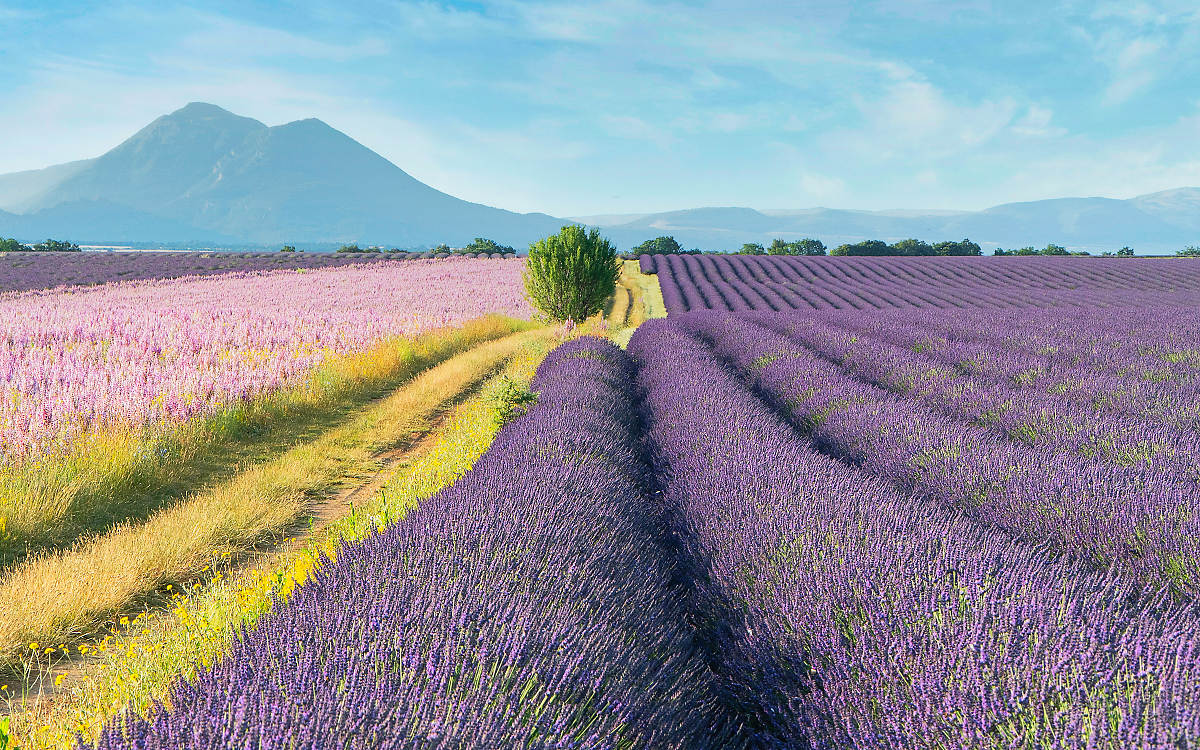
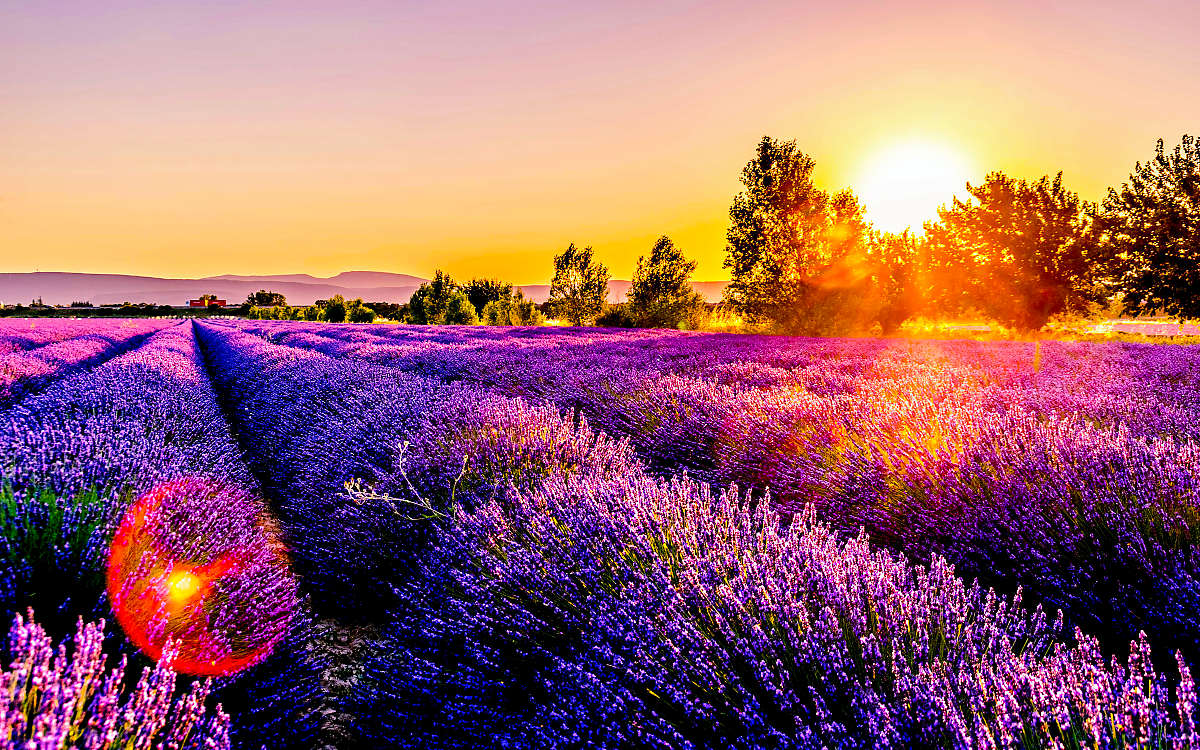
When you think of Provence, lavender is likely the first image that comes to mind. Endless rolling fields awash in vivid shades of purple have become the region’s postcard image. The flowering season typically spans from late June to early August, but exact timing varies depending on the year’s weather and the specific area.
Best Places to See Lavender
- Valensole Plateau
Perhaps the most iconic spot for lavender enthusiasts, Valensole Plateau offers sweeping views of purple fields stretching to the horizon. Early morning or late afternoon light makes for particularly stunning photographs. - Sault
Known as the “Lavender Capital,” Sault holds its own lavender festival each August. Surrounding fields are generally at higher elevation, so the blooms last a bit later into the season compared to lower-altitude areas. - Luberon Region
The Luberon is famed for its charming hilltop villages and picturesque lavender farms. Combine your lavender tour with a visit to Roussillon’s ochre cliffs for a unique palette of natural colors.
Visiting Tips
- Timing: Peak bloom varies each year, but late June to mid-July is often ideal in many areas. Harvest usually begins in late July or early August.
- Photography: Mornings and evenings provide the best light-and fewer crowds. You’ll also catch the aromatic scent of lavender more intensely when the air is cooler and still.
- Local Products: Don’t leave without trying lavender-infused honey, essential oils, or soaps. They make perfect souvenirs, and buying directly from farmers supports local communities.
Local Festivals: A Heartbeat of Provençal Culture
Provence’s festivals celebrate everything from its agricultural riches to its folk traditions, religious heritage, and artistic legacy. Attending a local fête or festival is one of the best ways to immerse yourself in the region’s vibrant community spirit.
Fête de la Lavande (Lavender Festival)
Lavender festivals, such as the one in Sault, typically happen in late July or early August to coincide with the harvest season. Expect parades, folk music, dancing, and a lively market featuring all things lavender-fresh bouquets, soaps, sachets, and more. These festivals bring together farmers, artisans, and visitors in a jubilant celebration of Provençal identity.
Les Féeries du Pont (Avignon Festival)
Every July, Avignon transforms into a global hub of performing arts. While officially known as the Festival d’Avignon, it’s fondly called Les Féeries du Pont, referencing the city’s medieval bridge, the Pont d’Avignon. Theater companies, dance troupes, and musicians from around the world converge here. The festival has two parts: the official In Festival (with performances in historic venues like the Pope’s Palace) and the Off Festival (an open-access array of shows across the city). The entire town buzzes with creativity, making it a must-visit for culture enthusiasts.
Fête de la Musique
Celebrated nationwide on June 21st, the Fête de la Musique is an annual music festival that takes on a special charm in Provence. Streets fill with local bands, classical music ensembles, and pop-up concerts in courtyards. Here, the gentle summer night resonates with the sound of instruments and voices, offering an immersive cultural experience.
Provençal Markets: A Feast for the Senses
No trip to Provence is complete without wandering through at least one local market. Markets often take place in the town’s main square or along picturesque streets. Vendors sell everything from vibrant produce-tomatoes, peppers, melons, olives-to artisanal crafts, such as handmade soaps and lavender sachets.
Market Highlights
- Olives and Olive Oil: Provence is famed for its olive groves. Taste different varieties of olives-from fruity to briny-and sample locally pressed olive oil, known for its peppery notes.
- Honey and Confitures: Lavande (lavender) honey is a sweet souvenir, while confitures made from figs, strawberries, or apricots elevate any breakfast toast.
- Cheeses and Charcuterie: Delight in a selection of goat cheeses (chèvre), often produced by local farms, alongside cured meats like saucisson for a perfect picnic spread.
Tips for a Market Visit
- Arrive Early: Markets typically open between 7 a.m. and 8 a.m. Arriving early ensures you get the best selection.
- Bring Cash: While some vendors accept cards, many still prefer cash.
- Explore Beyond Food: Markets often feature clothing, pottery, handmade soaps, and artwork. These items make excellent gifts or keepsakes.
- Stay for Lunch: Many markets have stalls offering street food or nearby cafés where you can enjoy a quick lunch made from fresh, local ingredients.
Charming Villages and Towns You Shouldn’t Miss
Beyond the fields and festivals, Provence is dotted with quaint villages that reflect the region’s unique character. Exploring these hidden gems gives you a genuine feel for Provençal life, far from the major tourist crowds.
Gordes
Perched high on a cliff, Gordes is often hailed as one of the most beautiful villages in France. Its stone buildings blend seamlessly with the rocky backdrop. The Gordes Castle, dating back to the Renaissance, and the narrow cobbled lanes draw countless photographers each year. Visit on a Tuesday morning to catch the market brimming with local produce and artisan crafts.
Roussillon
Famed for its ochre cliffs and buildings painted in every hue of red, orange, and yellow, Roussillon offers a dramatic contrast to Provence’s typical pastel palette. Walking the “Sentier des Ocres” (Ochre Trail) immerses you in the region’s former ochre quarries, where nature’s artistry is on full display.
Aix-en-Provence
Known simply as Aix, this sophisticated city is the birthplace of painter Paul Cézanne. Tree-lined boulevards, elegant mansions, and countless fountains reflect its aristocratic past. Art lovers can follow the “Cézanne Trail” to discover the places that inspired his works, from his childhood home to the countryside vantage points he immortalized in paint.
Avignon
The historical city of Avignon brims with cultural significance, evidenced by the imposing Palais des Papes, a UNESCO World Heritage Site. With well-preserved ramparts, the Pont d’Avignon (bridge), and a lively dining scene, Avignon offers a blend of medieval heritage and modern charm.
Provençal Gastronomy and Wine
Provence’s cuisine is as sunny and inviting as its landscape. Olive oil, garlic, tomatoes, and aromatic herbs (thyme, rosemary, oregano) are the cornerstones of Provençal dishes. Paired with local wines, each meal is an opportunity to savor the region’s bountiful produce.
Must-Try Dishes
- Ratatouille: A hearty vegetable medley of eggplant, zucchini, bell peppers, onions, and tomatoes stewed in olive oil and herbs.
- Bouillabaisse: Hailing from Marseille, this traditional fish stew features various types of Mediterranean fish, shellfish, and a rich broth flavored with saffron and garlic.
- Socca: A chickpea flour pancake popular in the coastal regions, often enjoyed with just a sprinkle of pepper.
Local Wines
Provence is the oldest wine-producing region in France, renowned for its rosé. Crisp, pale, and often enjoyed chilled under the Provençal sun, rosé is a summertime staple. Red and white wines are also produced, though in smaller quantities, and many vineyards offer tours for those eager to learn about (and taste) local vintages.
Practical Tips for Your Provençal Adventure
Best Time to Visit
- Spring (April–June): Ideal for milder weather, lush landscapes, and fewer tourists. Fields burst with wildflowers, and festivals begin to ramp up.
- Summer (July–August): Peak lavender season but also the busiest period. Expect higher temperatures and crowds. Book accommodations well in advance.
- Autumn (September–October): Harvest season for wine, with pleasant weather and smaller crowds. Foliage adds a golden touch to vineyards.
- Winter (November–March): Mild, quiet, and perfect for a more relaxed, off-season trip. Some smaller businesses may close, but major towns stay lively year-round.
Getting Around
- Car Rental: The most flexible option for exploring countryside villages and lavender fields at your own pace.
- Trains: TGV (high-speed rail) connects major cities like Paris to Aix-en-Provence and Avignon. From there, regional trains and buses can help you reach smaller towns.
- Guided Tours: A great choice if you prefer not to drive or want in-depth local knowledge. Many tours focus specifically on lavender fields or wine routes.
Accommodation
- Gîtes (Holiday Homes): Often nestled in rural settings, offering an authentic experience with self-catering options.
- Chambres d’Hôtes (Bed & Breakfasts): Stay with local families or in converted farmhouses for a cozy vibe.
- Boutique Hotels: Found in larger towns and cities, often set in historical buildings with modern amenities.
- Luxury Resorts: For travelers seeking a more indulgent stay, high-end resorts offer spas, gourmet restaurants, and scenic views of vineyards or lavender fields.
Preserving Provençal Heritage and Environment
Provence’s beauty owes much to centuries of careful stewardship of the land and traditions. From sustainable farming practices that nurture lavender fields and vineyards to the preservation of local artisanal crafts, the region invests in keeping heritage alive. Visitors can play a part by respecting local customs, supporting small businesses, and treading lightly in natural areas.
- Buy Local Products: Opt for genuine Provençal goods-lavender sachets, olive oil, and crafts-directly from local markets or farms.
- Reduce Waste: Bring your own reusable water bottle, avoid single-use plastics, and recycle whenever possible.
- Respect Cultural Sites: Whether touring ancient ruins or attending a village festival, follow guidelines and show consideration for the local community.
Crafting Lifelong Memories in Provence
Provence is more than just lavender fields or quaint villages; it’s an experience that blends natural beauty, cultural depth, and a warm sense of community. Walk through aromatic lavender rows while bees buzz among the blooms, explore centuries-old castles standing guard over rolling countryside, or lose yourself in the rhythm of a bustling market. Each step offers a gentle invitation to slow down and savor life’s simple pleasures.
Photography and Journaling
With each panoramic view, colorful façade, or lively festival scene, Provence encourages you to capture the moment. Consider bringing a journal or sketchbook to record your impressions. You might stumble upon a hidden viewpoint or a friendly local vendor who shares insider tips, making for cherished entries in your travel log.
Engaging with Locals
While many in Provence speak English, a little French can go a long way-simple greetings like “Bonjour” or “Merci” often spark warm smiles. Engage in conversations with market vendors or restaurant owners; they may direct you to lesser-known gems or share a family recipe that captures the true essence of Provençal life.
Discover Provence
Provence’s magic lies not only in the picturesque lavender fields that color the horizon or the vibrant festivals that fill ancient streets with music and laughter, but also in the region’s ability to weave tradition and modern life so seamlessly. From savoring a glass of chilled rosé at sunset to dancing to folk tunes at a local fête, you’ll quickly find that Provence extends a timeless invitation to celebrate the joys of life.
Whether you’re gazing at the starry sky from a hilltop village or strolling through fragrant lavender fields, Provence remains a place to reconnect with nature, history, and culture. Plan your adventure with an open heart-and let Provence’s enchantment guide you to memories you’ll treasure for years to come.